 Teachlink
 APASS-Learning platform

Qualification
UKChO Award Winners in UKChO by Invitation
Date
Jul. - Aug. 2027 (TBD)
Location
China
Language
EN
Place
80
Program Introduction
The UKChO Camp was originally organized by the British Chemistry Olympiad Committee and set to select members of the British National Team for the International Chemistry Olympiad, which is organized for training and selection camps for outstanding British contestants. It aims to deepen the understanding and passion of chemical research among young students by teaching cutting-edge topics, and to develop observation and thinking ability, practical and operational skills, so as to cultivate future young chemists. Since 2023, the UK Chemistry Olympiad Committee has decided to introduce this camp to China, and co-organized it with ASEEDER as the UKChO China Organizing Committee. In 2025, the UKChO China camp, which is limited to 80 seats, extends a targeted invitation to students who have achieved Gold awards in UKChO.
The coaching team of the UKChO China Camp consists of members of the Academic Committee of the UK Chemistry Olympiad. The UKChO China Camp adopts the same lectures as the UKChO camp in UK, aiming at excellent senior high school students who have a good grasp of the chemistry knowledge at high school level and even university-level. It enables them to conduct in depth study of more difficult topics, and incorporates experimental training to enhance their operation ability and practical skills in the laboratory. Besides, it provides an opportunity to have face-to-face learning interactions with professors who have rich teaching experience and members of the question-setting team of the UK Chemistry Olympiad. Even though Chinese students cannot become members of the UK national team, they can still have access to top-level international chemistry teaching in China, explore the most cutting-edge chemistry topics, and interact with peer chemistry elites, thus laying a solid academic foundation for applying to the world’s most prestigious universities in the future. The UKChO is a highly prestigious academic camp in the field of chemistry, and participants can earn an official certificate from the UKChO Committee.
Pre-Assessment
UK Chemistry Olympiad (UKChO):Jan. 29, 2027 (Fri.) 17:00-19:00, High School Students
Introduction to Excellent Program Supervisor
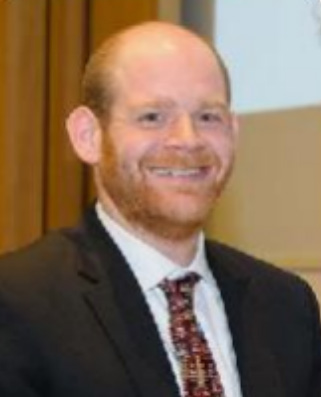
Dr JL Kiappes
International Chemistry Olympiad (IChO) President | International Chemistry Olympiad (IChO) National Team Coach | Former United States Chemistry Olympiad National Team Coach | Lecturer/Admissions Interviewer at the University of Oxford | Lecturer at University College London (UCL)
Dr. JL was a member of the US Chemistry Olympiad team at the 36th IChO. He moved to the UK during his PhD studies, where he is a Lecturer (Teaching) at University College London. Dr. JL served as a member of the IChO International Steering Committee (2008–2012; 2016–2021). He joined the UK Chemistry Olympiad Committee in 2018, helping to select and prepare the UK team for the IChO. In this Camp, Dr. JL’s lecture will be themed on Acids and Bases in Organic Chemistry.- When looking at organic chemistry mechanisms, many key steps involve protonation and deprotonation. In this session, we will look at the properties that help us to predict which atoms are acidic and which atoms are basic. We’ll then look at how these same fundamental principles allow us to understand key organic reactivity: nucleophiles, electrophiles, and leaving groups.
Dr Penny Robotham
Chair of the UKChO Working Group | Mentor at the International Chemistry Olympiad
Vice-principal at the National Mathematics and Science College Following post-doctoral posts at the Universities of Durham and Manchester, Penny became an Advanced Skills Teacher and she is also a Chartered Science Teacher (CSciTeach). She was Head of Science and Director of Specialism for more than 12 years at the UK’s top grammar schools. She is actively involved in education research and has a Masters in Teaching and Learning from the University of Oxford. She is currently Vice Principal of the National Mathematics and Science College, a specialist STEM college in the UK for gifted and talented students. Spectroscopy is one of the most powerful tools available to the chemists to determine the structure of molecules. In this Camp, Dr. Penny will introduce spectroscopic methods used by chemists to analyze the structure of molecules, focusing on Infra-red (IR) and Nuclear Magnetic Resonance (NMR) spectroscopy. You will be taught how to deduce the structure of molecules using spectroscopic data.

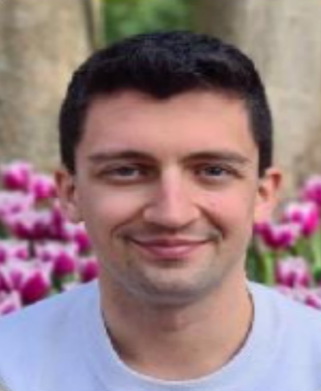
Dr Peter Bolgar
Member of the UKChO Working Group since 2017 | Teaching Bye-Fellow at Fitzwilliam College and College Lecturer and Director of Studies at Magdalene College at the University of Cambridge; Teaching-focused Associate Lecturer at University College London (UCL)
At Cambridge, Dr. Peter is mainly responsible for teaching chemistry courses to undergraduate students, organizing laboratory projects, and participating in the admission and interview processes for the natural science programs. As a member of the UKChO Working Group, he tutors students for the International Chemistry Olympiad, he tutors students for the International Chemistry Olympiad both nationally and internationally.
In this Camp, Dr. Peter is going to introduce you to the art of the synthesis of organic molecules. The challenge of making large organic compounds in the laboratory often led to the discovery of new reactions and reagents and hence it resulted in several Nobel Prizes for the chemists who pioneered in this field. Dr. Peter will guide you to explore some reactions and strategies that chemists often use for synthesizing organic molecules, and you will analyze the synthesis of some famous natural products.
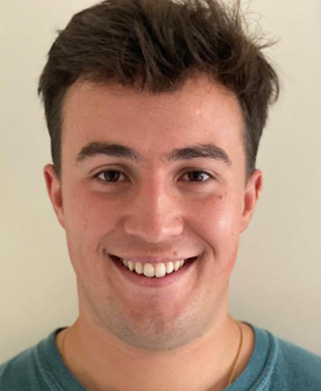
Mr Oliver Evans
PhD Scholar, University of Cambridge
Oliver Evans is working at the University of Cambridge and teaching organic chemistry courses to freshmen. He has had the privilege of working as a coach for the Saudi Arabian Team for the International chemistry Olympiad since 2022.
He will be running a class on supra-molecular chemistry at this Camp. Here you will learn about the ways molecules communicate with each other through fundamental non-covalent interactions. By understanding the physical properties of organic molecules you will be able to design your own molecules that could form DNA-like duplexes.
* Previous coaches may be subject to change based on the actual camp conditions.
Academic Modules
Discussion of Advanced Topics (Theoretical Classes)
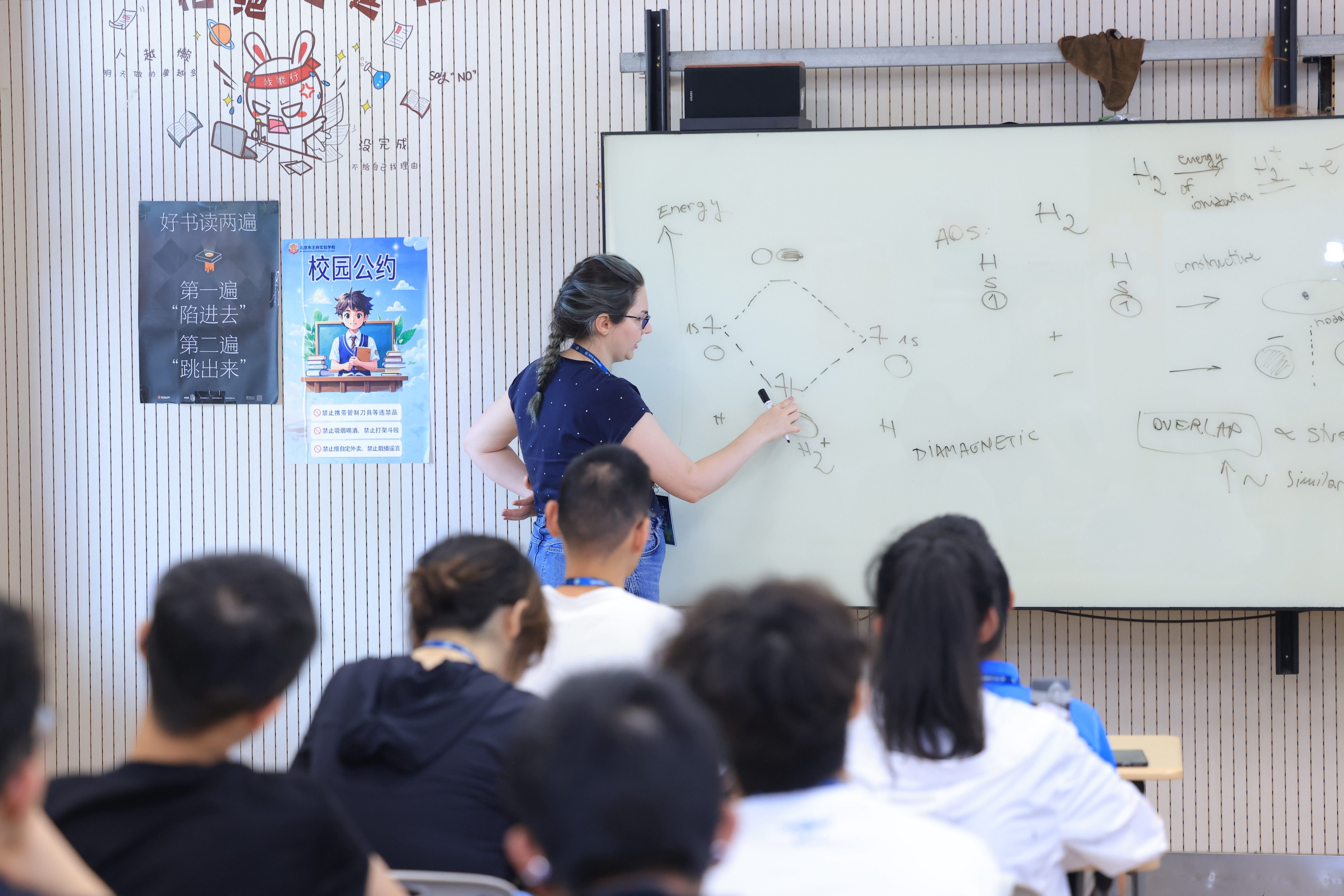
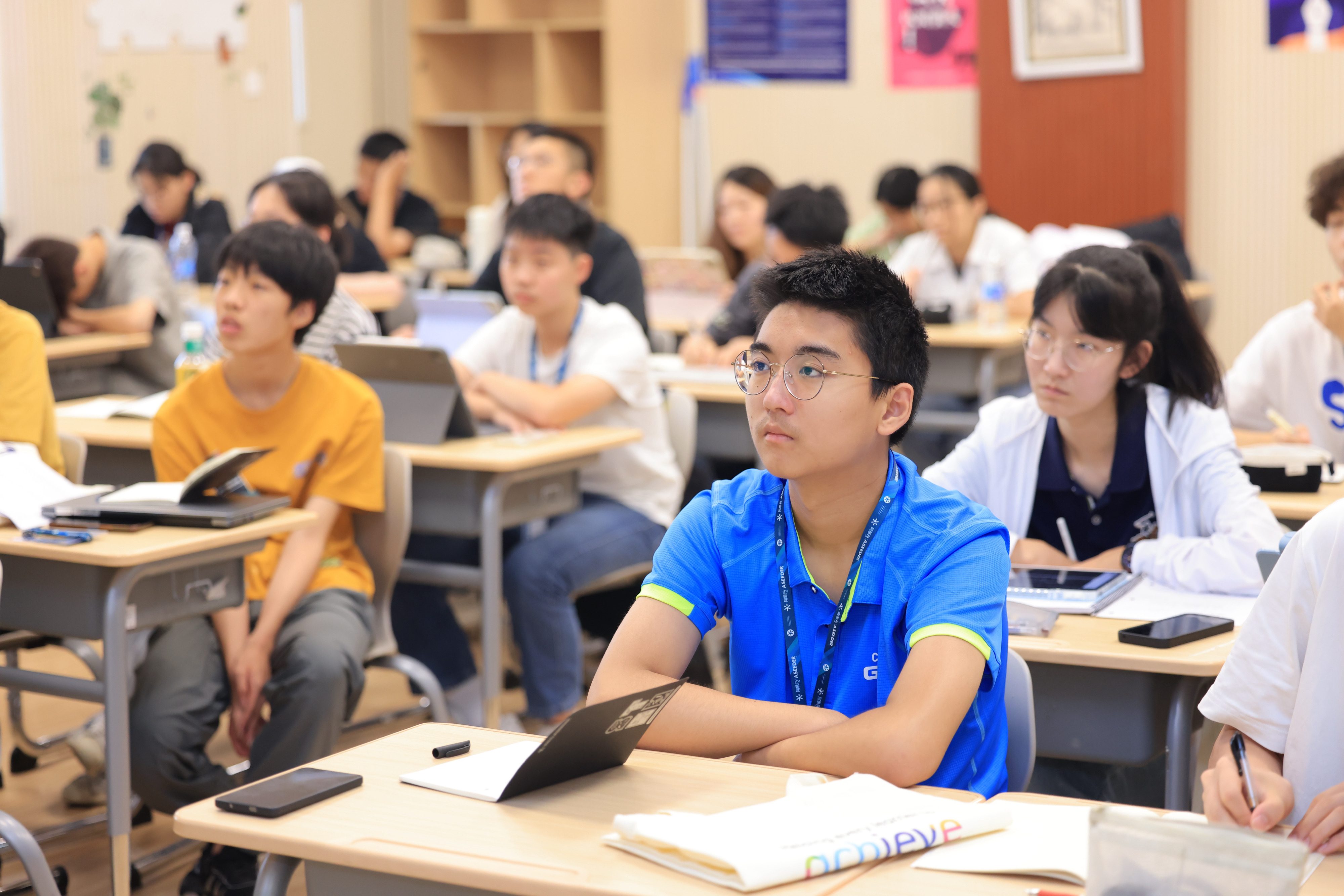
You will learn about a wide range of topics in theoretical, physical, organic, inorganic and analytical chemistry. You will explore how atomic and molecular orbitals are used to describe the structure of molecules and you will see how spectroscopic techniques are routinely used to determine the structure of molecules. You will also be introduced to the synthesis of organic molecules and the principles that govern their reactivity. You will study the structural properties of some transition metal complexes. You will learn about how molecules interact with each other, and how these interactions can be used to make supra-molecular architectures. You may be familiar with some of these topics either from your high school chemistry classes or from your preparation for the UKChO. In this 5-day Camp, your knowledge of these topics will be extended further, and your understanding will be tested through problem-solving exercises at the university level. The coaches you will learn from have significant experience in preparing students for the International Chemistry Olympiad, and are adept at stimulating students’ potential in a step-by-step way; many of the students they have taught have gone on to achieve Gold medals at this prestigious competition.
Chemical Experiments in the Laboratory
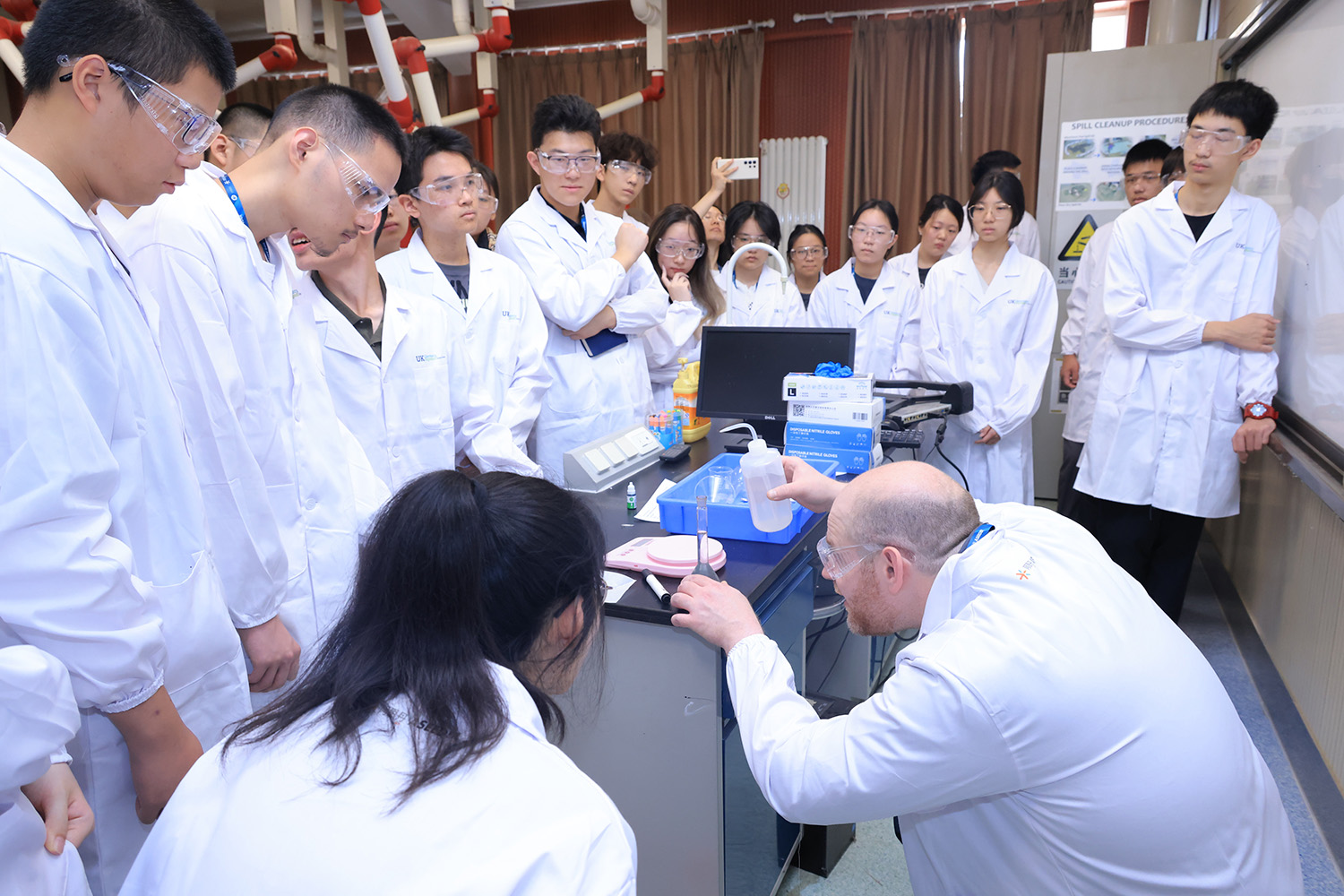
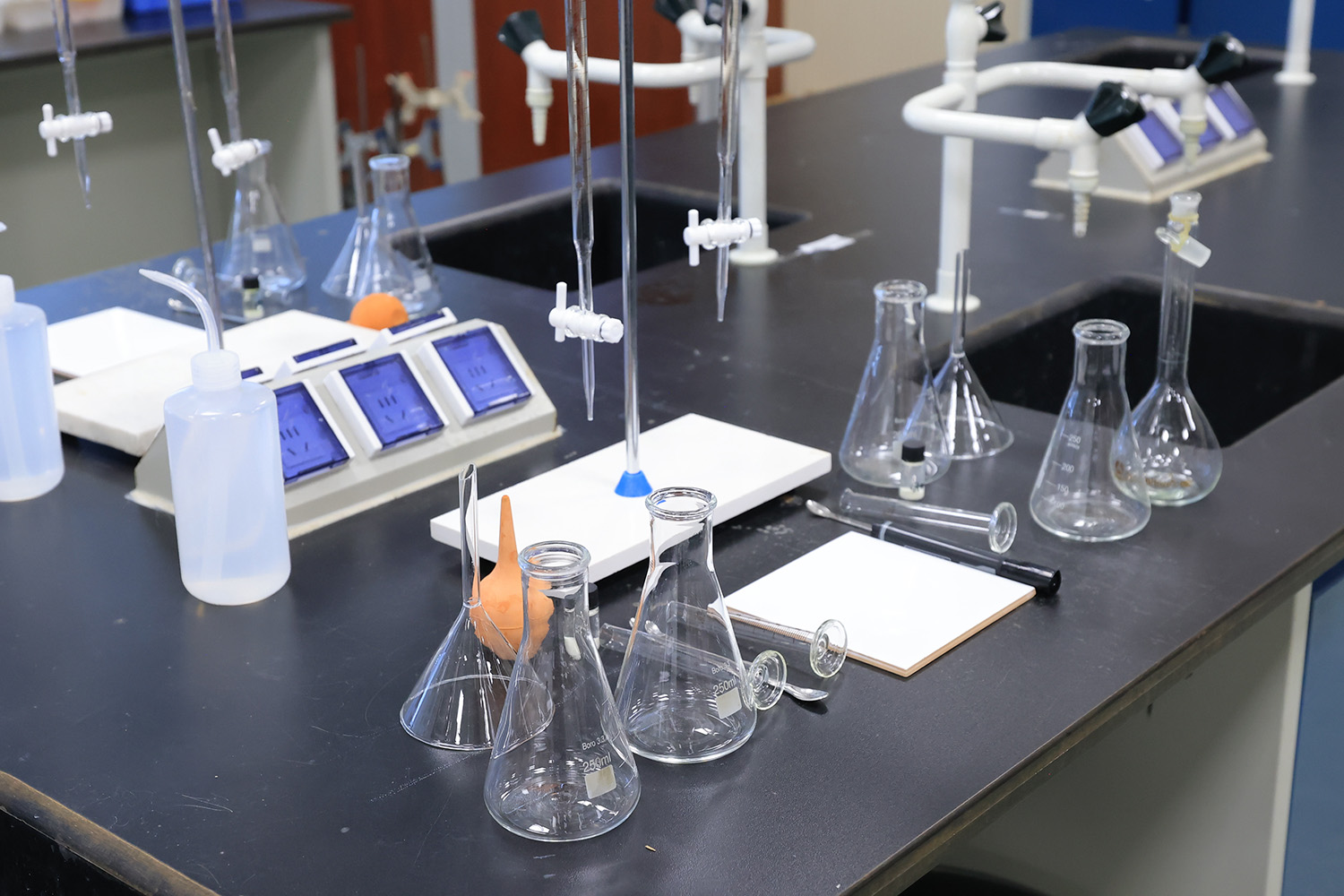
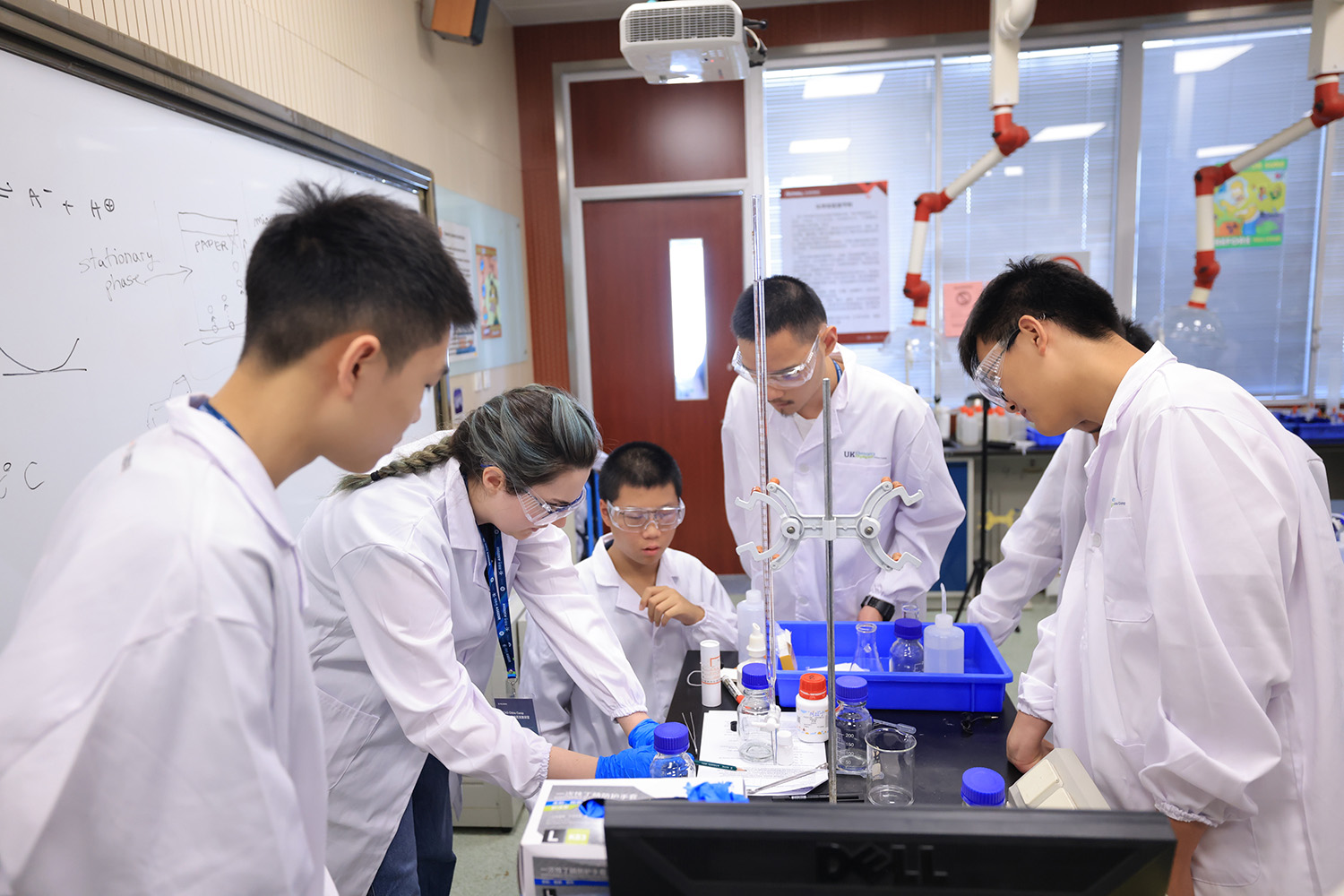
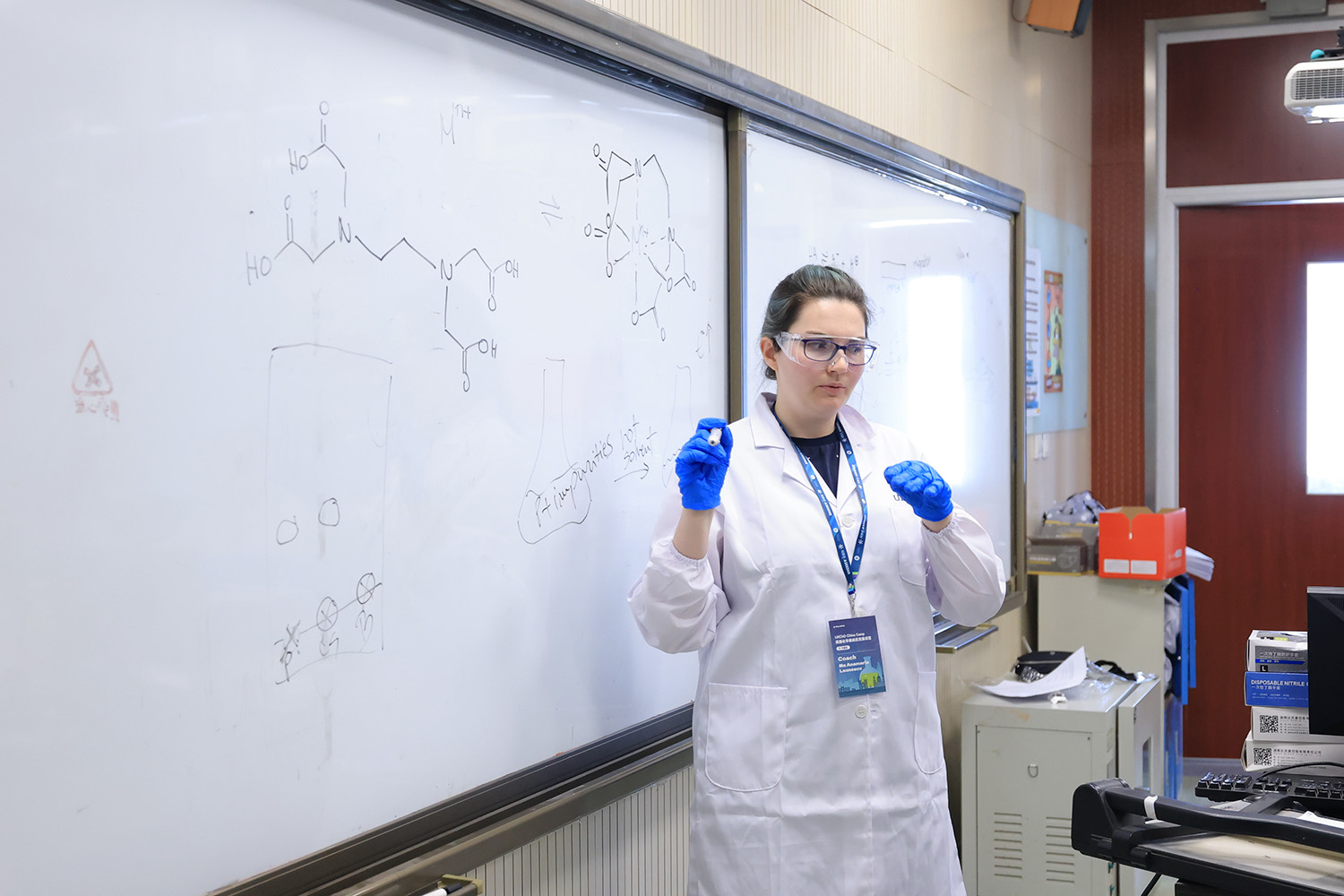
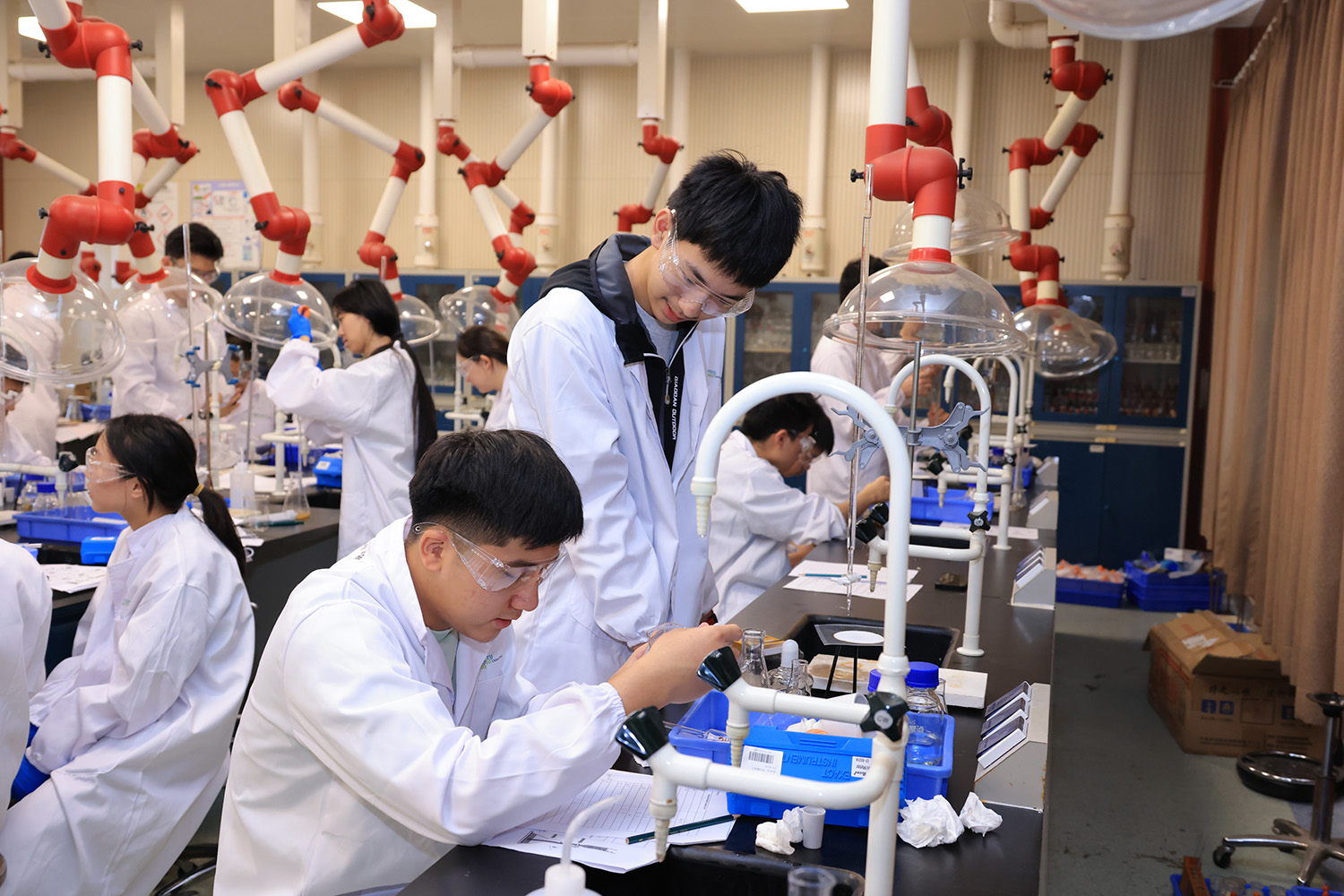
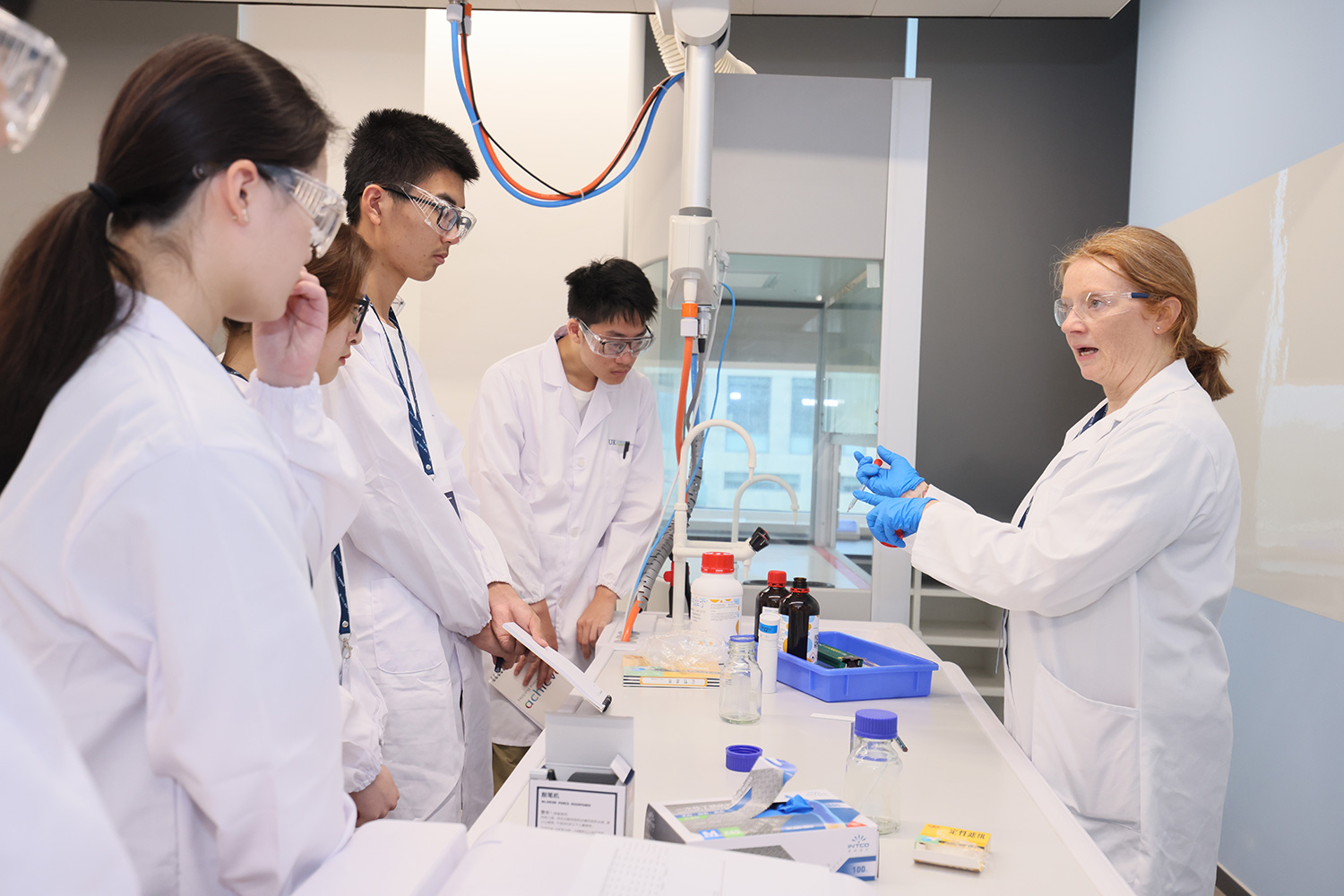
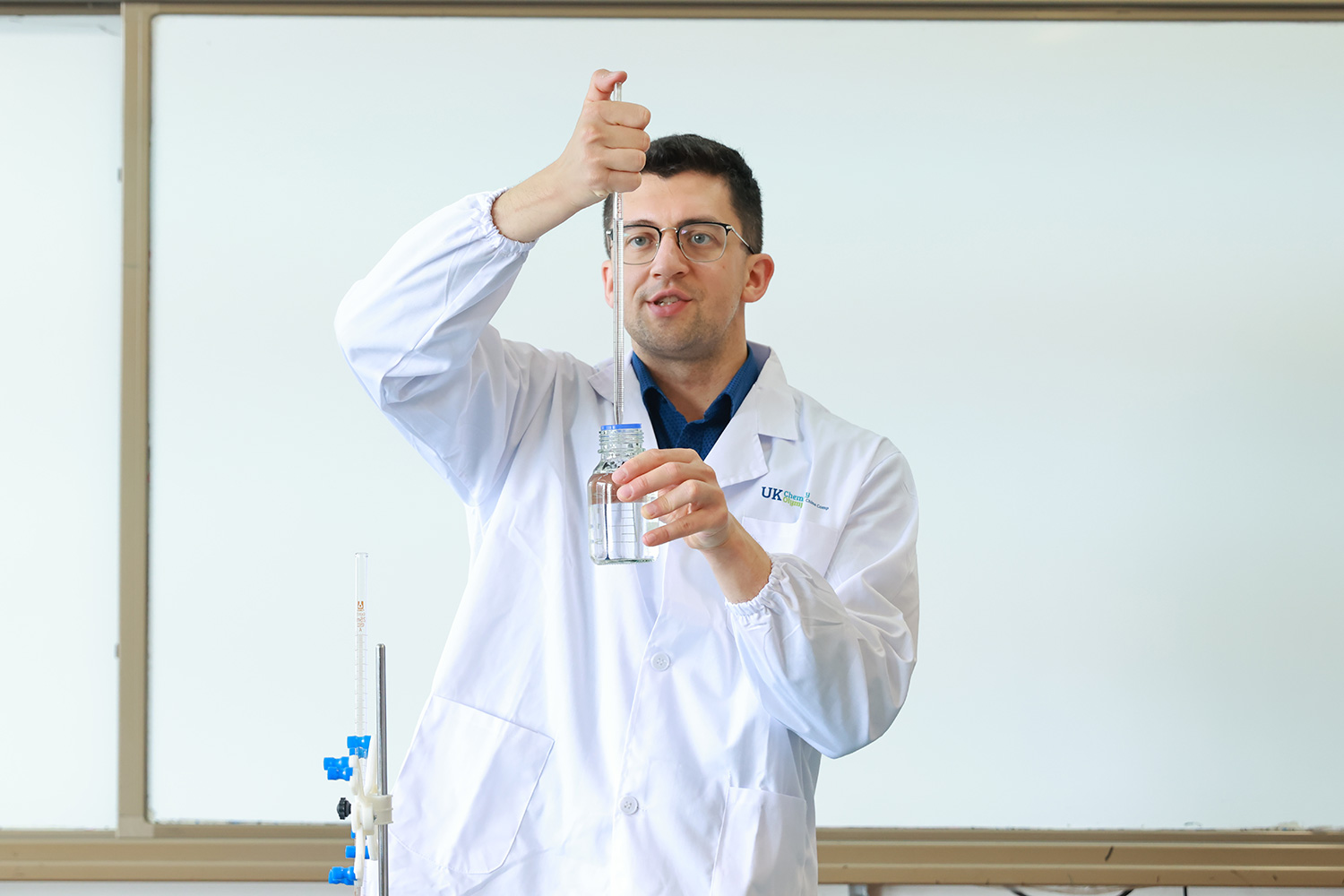
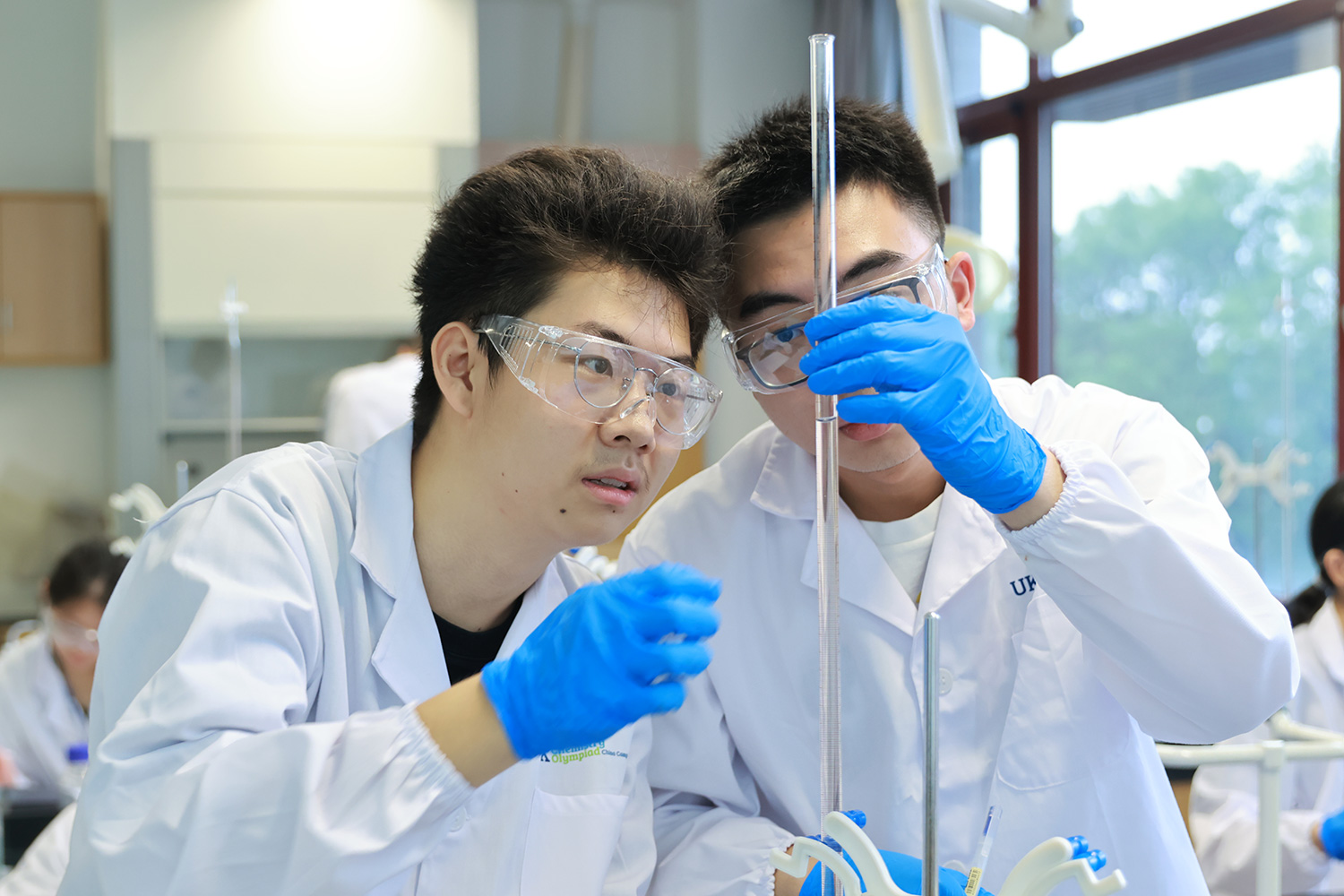
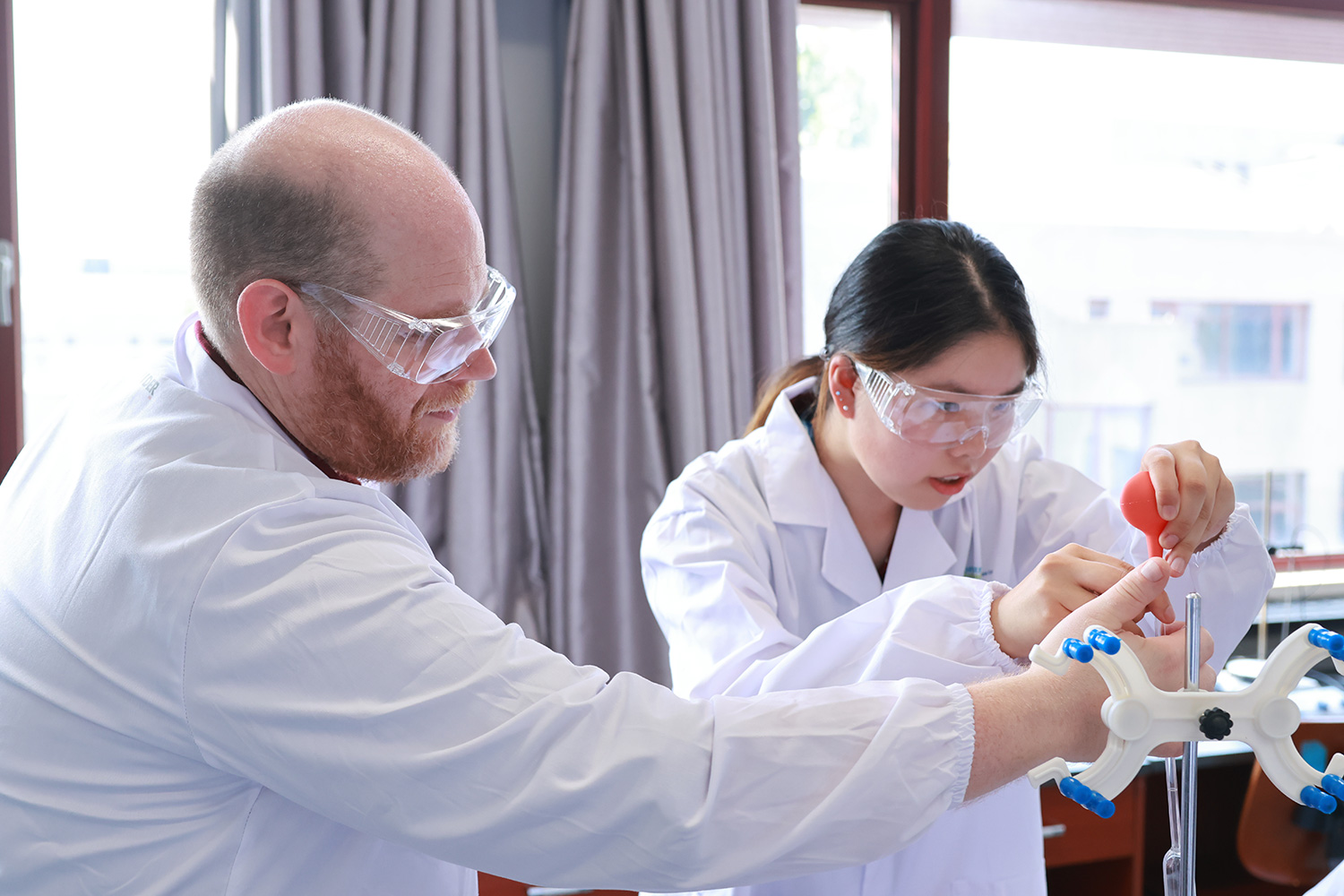
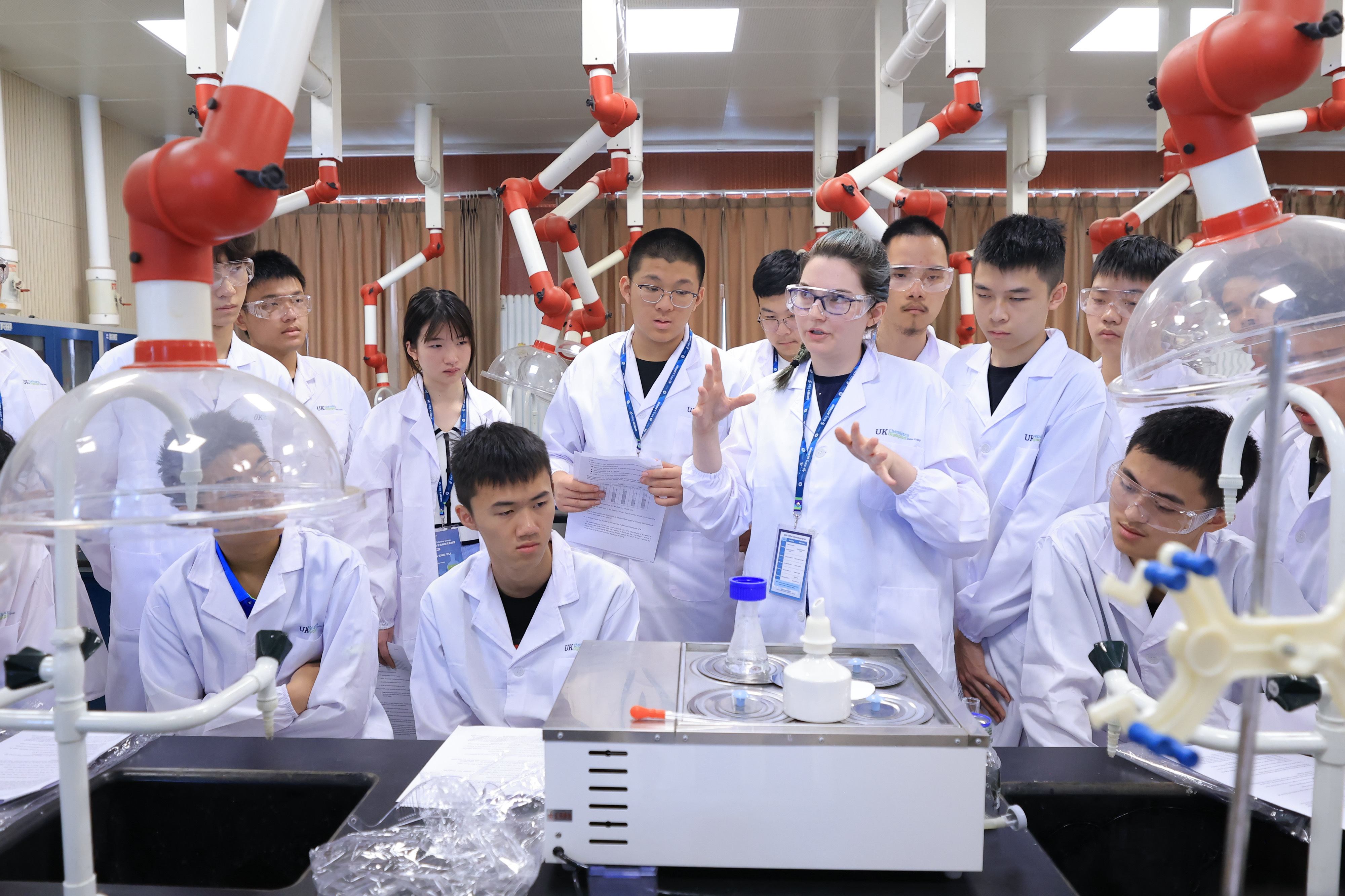
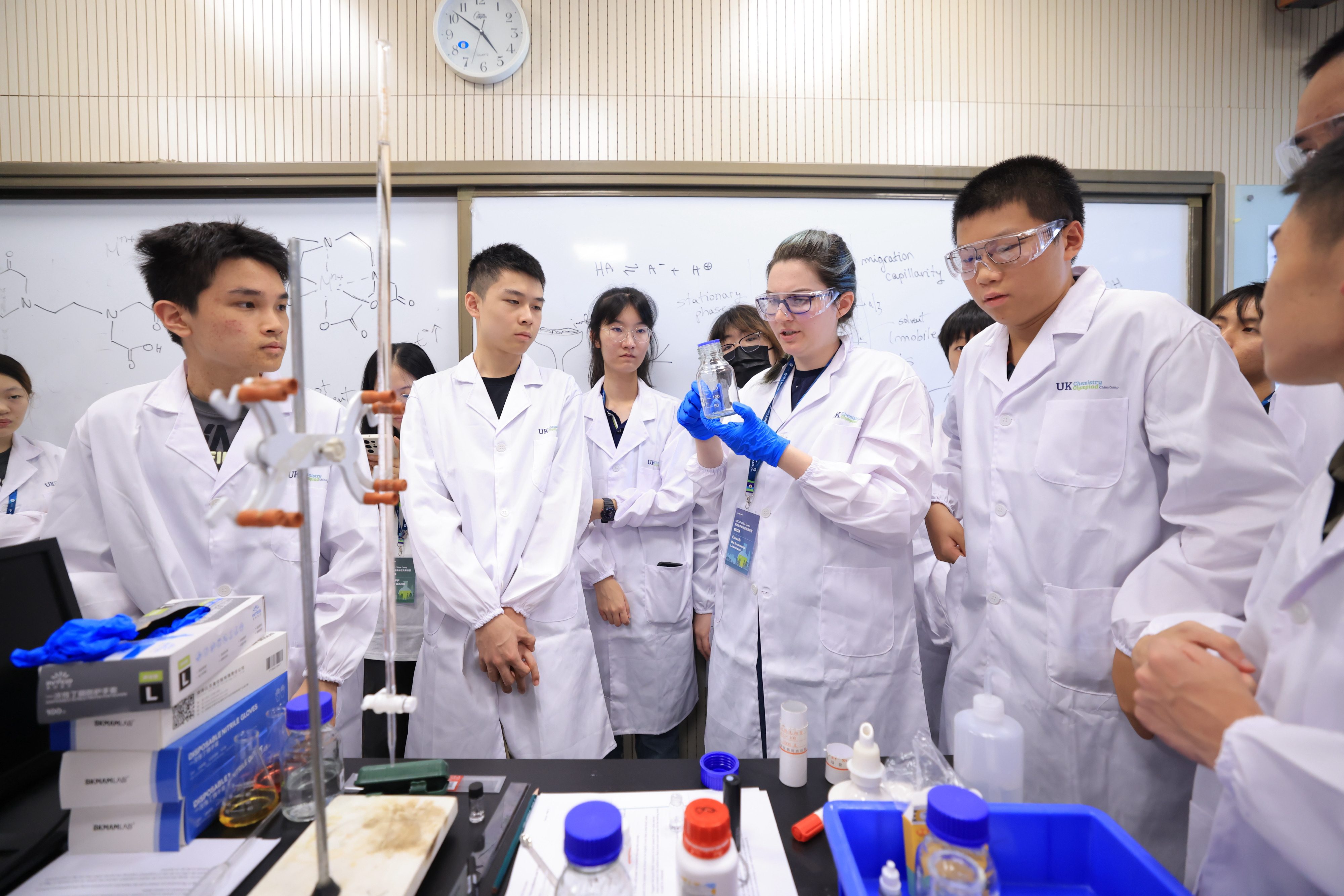
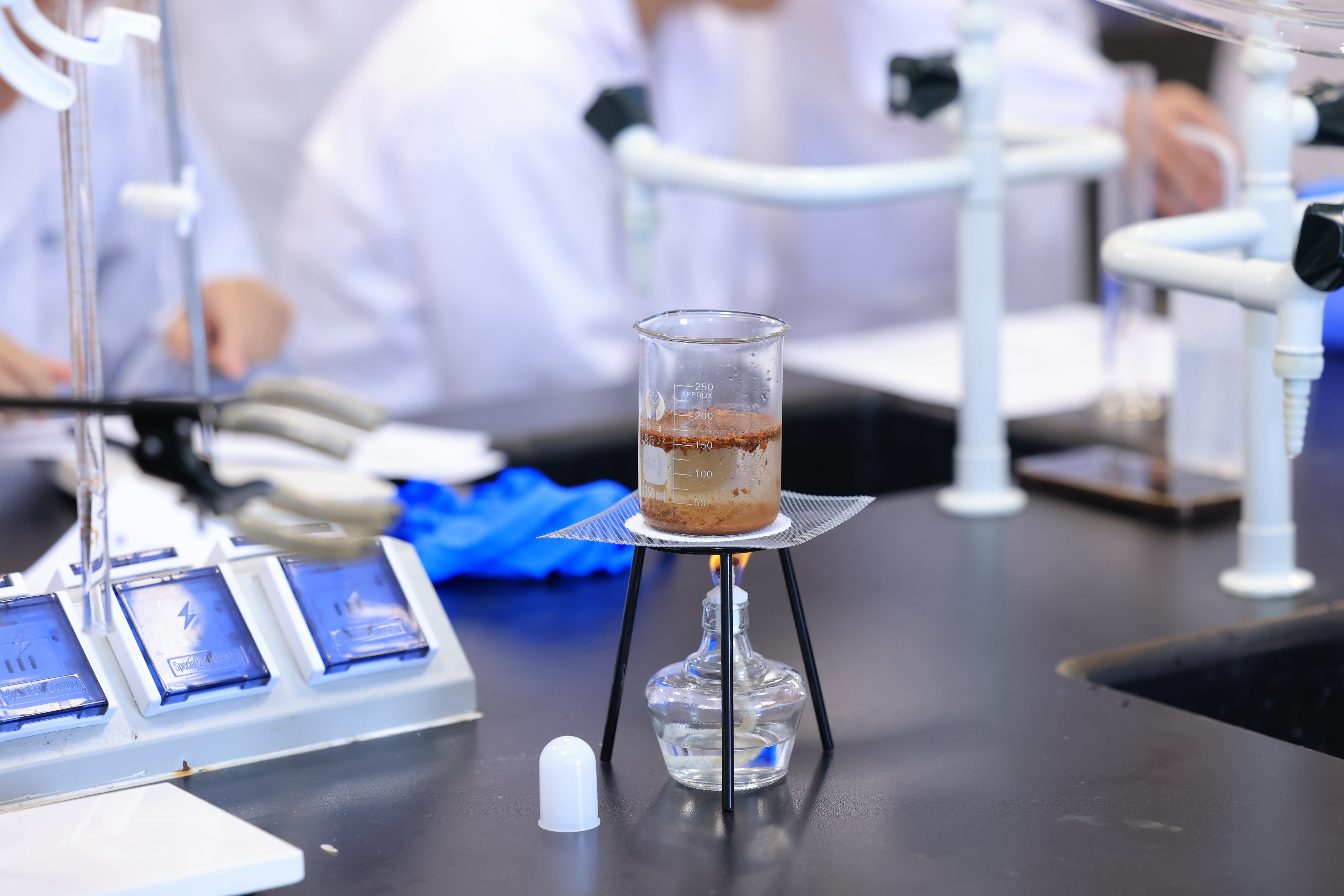
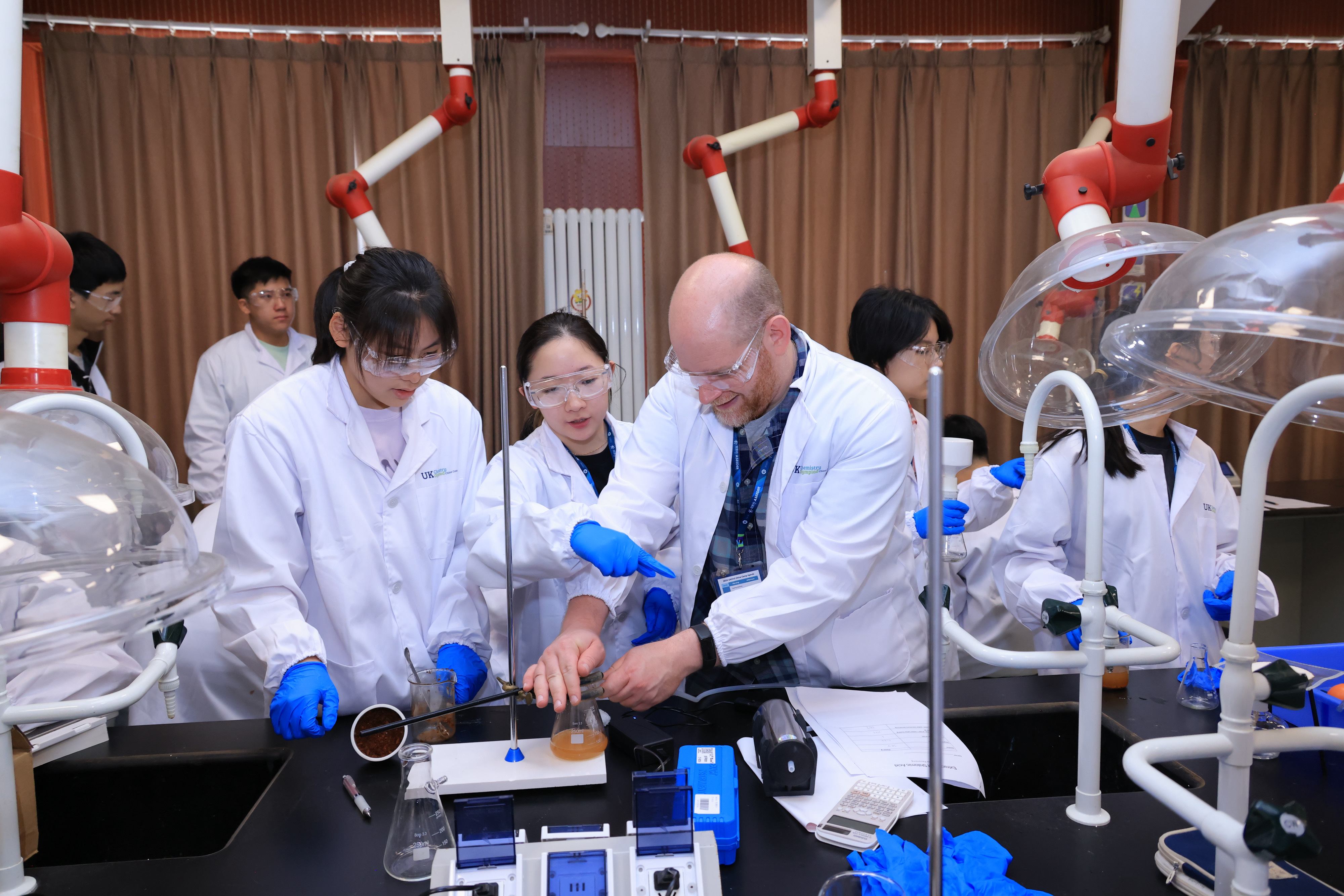
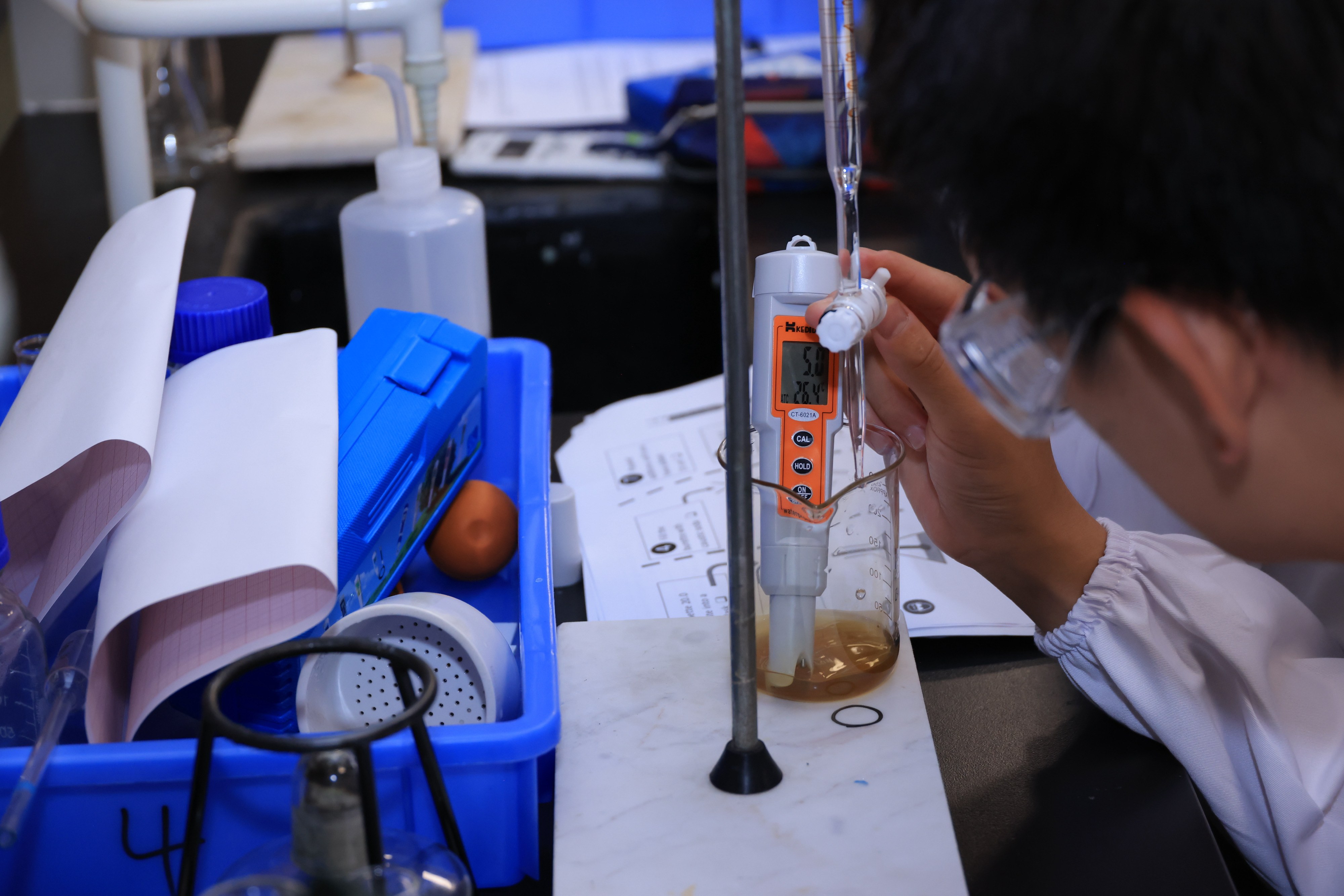
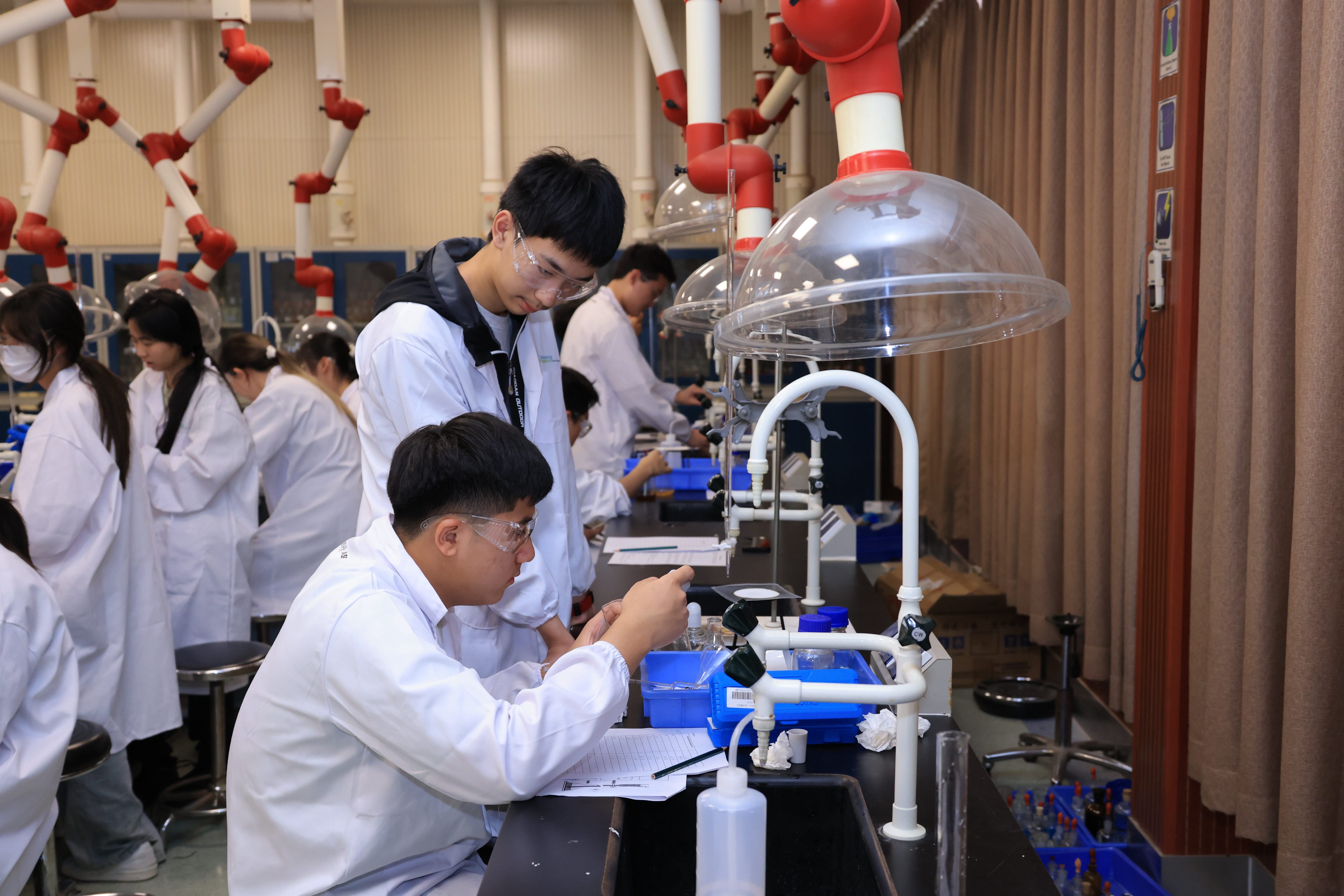
You will engage in laboratory experiments of 4 academic modules in analytical, organic and physical chemistry. The coaches design a scientific experimental schedule, and will explain and demonstrate the required knowledge background and operation skills for the experiments before starting. The experiments are designed so that everyone, even those of you who have not had a chance to experiment in a laboratory yourselves previously, can successfully complete the experiments. Other than strictly obeying the safety protocols and guidance, you need to make careful observations, make notes of your scientific measurements and then analyze the data obtained. After the practicals you will discuss the theory of the experiments with the coaches, and you will discuss what you have learnt from each of the experiments. As future scientists, you need to be able to analyze the results of your experiments independently and critically, and this is exactly what the coaches are going to guide you to learn.
Previous Lab Project
* Below are introductions of past lab projects. Specific practical lab courses are subject to adjustment based on actual circumstances.

Pre-lab Training
This part will be carried out with experiments. A total of 7 to 8 small station experiments will be set up. Students will take turns to go to each station and learn about the precautions for the experiment operations.

Experiment on Organic Synthesis, Separation and Purification
Synthesize organic compounds, learn organic synthesis and separation techniques, and understand the condition control of organic synthesis reactions and the separation of products.

Determination of the Content of Citric Acidby Acid-Base Titration
Determine the content of citric acid by acid-base titration. Learn titration operations and the judgment of the titration end point, and understand the quantitative analysis method of acid-base reactions.

Organic Chemistry: Natural Product Extraction Experiment, Using TLC to Analyze the Products
Extract coumaric acid from star anise and conduct chromatographic separation. Learn extraction and chromatographic techniques and understand the chemical composition analysis of natural products.

Redox Titration Experiment
Determine the content of barium iodate by redox titration. Learn redox titration and the quantitative analysis method of redox reactions.
Schedule
| Time | - | 11th Aug. | 12th Aug. | 13th Aug. | 14th Aug. | 15th Aug. |
|---|---|---|---|---|---|---|
| Morning 9:00 to 12:00 |
Opening Ceremony Pre-lab Training |
Natural Product Extraction Experiment, Using TLCto Analyze the Products | Experiment on Organic Synthesis, Separation and Purification | Redox Titration Experiment | Determination of Citric Acid Content by Acid-base Titration | |
| Lunch | ||||||
| Afternoon 13:30 to 17:00 |
Arrive and Sign up | Orbitals | Organic acids and bases | Organic synthesis | Spectroscopy | Supra-molecular chemistry Closing Ceremony & Certificate |
* Note: The order, content, and difficulty of the course may be adjusted according to the students' abilities.
Highlights
Participant Information
Programme Fee
Including the cost of teaching, the use of academic materials and experimental equipment, excluding other service costs such as accommodation and dining.
* The organizing committee will provide service packages for students to choose before the Camp starts.
Registration Deadline
Three weeks before the programme begins.
* Places on the camp are limited and registration will close once all places have been filled. Applications submitted after the deadline will be considered a voluntary withdrawal from participation.
FAQ

华北区:北京、天津、黑龙江、吉林、辽宁、 河北、内蒙古、山西、山东

华东区:上海、浙江、江苏
华中区:河南

华南区:广东、广西、福建、海南、香港、澳门、台湾

华西区:重庆、四川、云南、陕西、甘肃、青海、西藏、宁夏、新疆
华中区:湖南、湖北、安徽、江西 、贵州