Award Winners in
ICQ by Invitation
Date
Jul. - Aug. 2027 (TBD)
Location
Shanghai, China
Language
EN
Place
Grades 7-8: 25
Grades 9-10: 50
Program Introduction
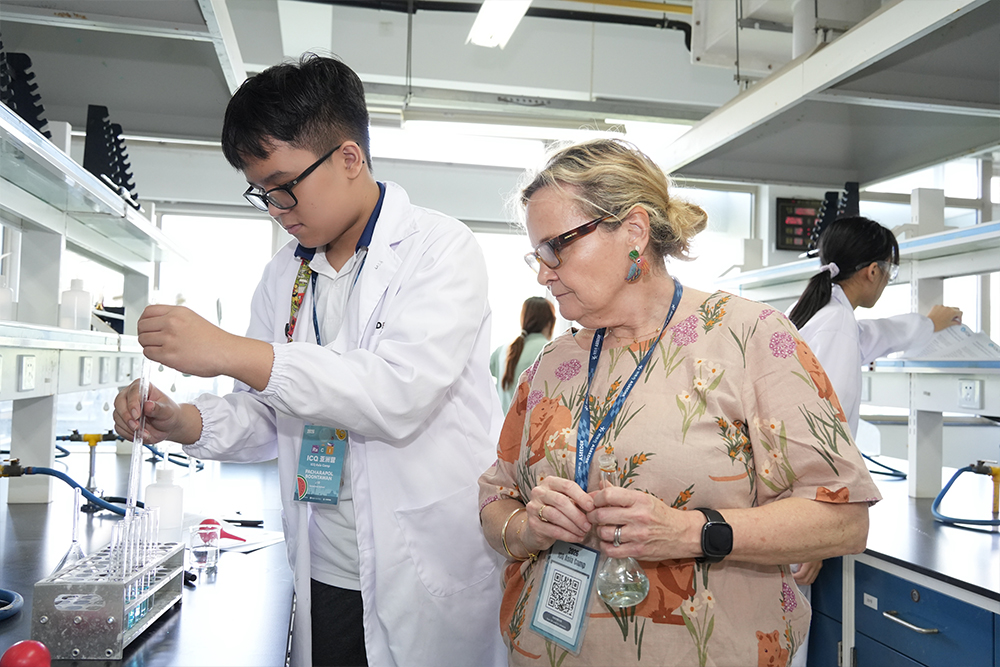
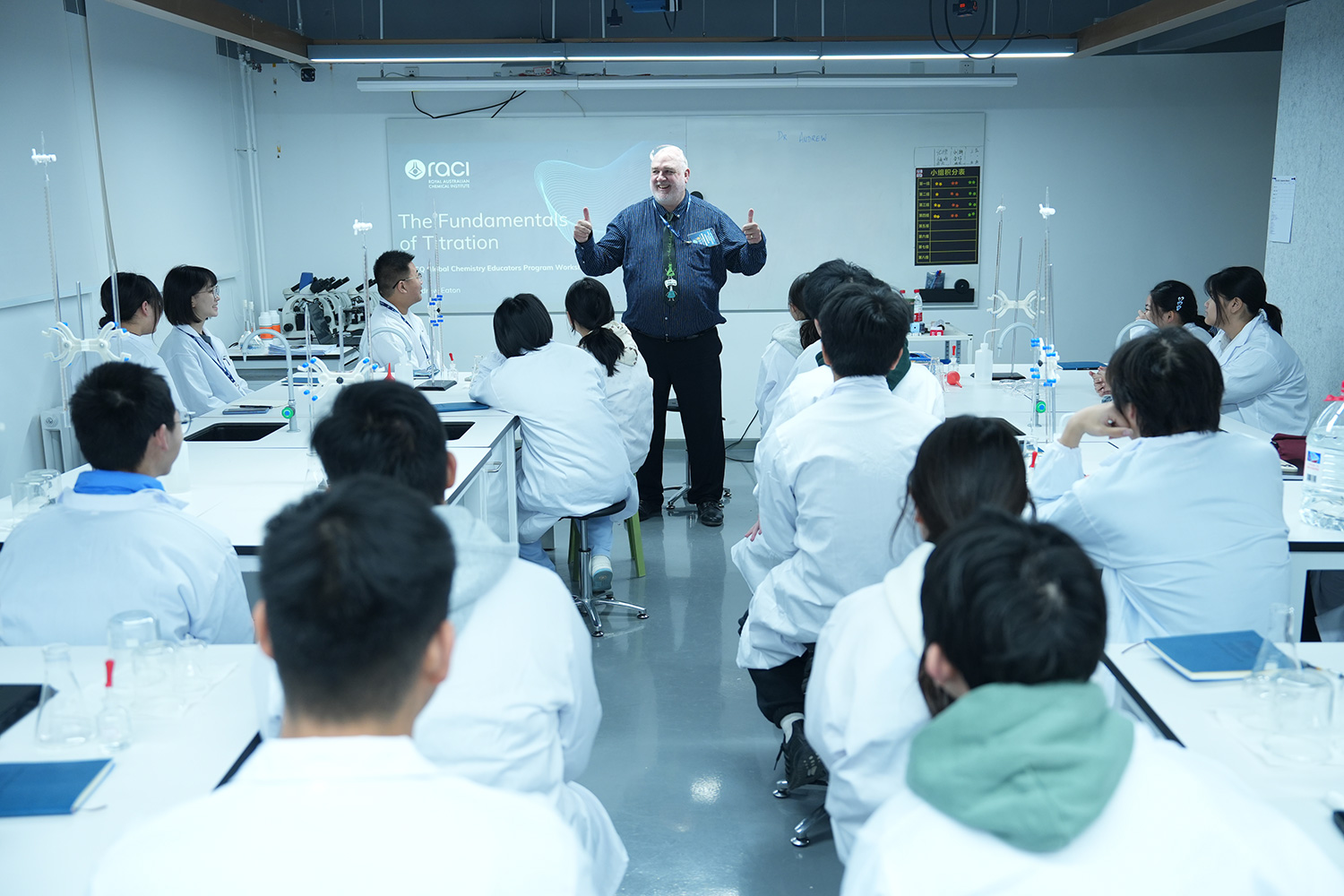
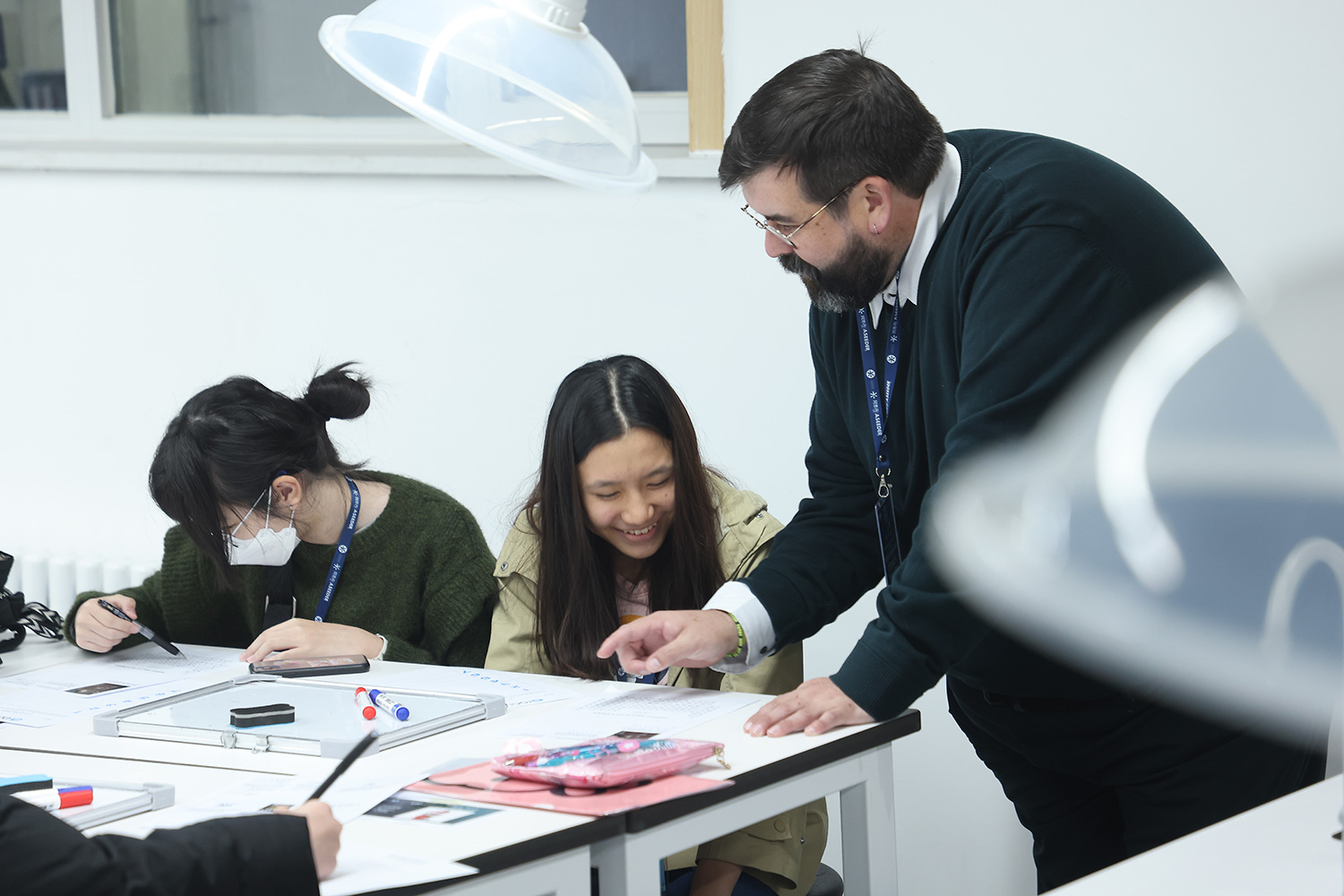
The ICQ Asia Camp is organised by the Royal Australian Chemical Institute (RACI), providing students with a passion for chemistry the opportunity to further explore international chemistry challenges and advanced topics in chemistry. Through international academic classes and hands-on laboratory experience, the programme helps students prepare for advanced chemistry challenges, broaden their understanding of the subject, and develop the knowledge and practical skills essential for future scientists.
In 2024, RACI partnered with ASEEDER Hong Kong to introduce the ICQ Asia Camp to Asia for the first time, aiming to provide outstanding ICQ students with opportunities for in-depth exploration of chemistry. In 2025 , the ICQ Asia Camp will invite awarded JCCO students from various Asian countries and regions, including China (Mainland, Hong Kong, Macau, and Taiwan), Malaysia, Vietnam, Thailand, Singapore, Indonesia, Brunei, South Korea, India, Mongolia, and Kazakhstan. The ICQ Asia Camp serves as an international platform for outstanding young chemists to exchange ideas and deepen their understanding and passion for chemical research. The program is designed to comprehensively develop students’ observation, critical thinking, practical, and laboratory skills, nurturing the next generation of chemists. Taking into account students’ learning characteristics and academic levels, the camp adopts diverse teaching approaches including lectures, seminars, and experimental challenges, incorporating authentic inquiry-based learning methods into the classroom. Students will also participate in specialty challenges and hands-on experimental training to further enhance their chemistry skills.
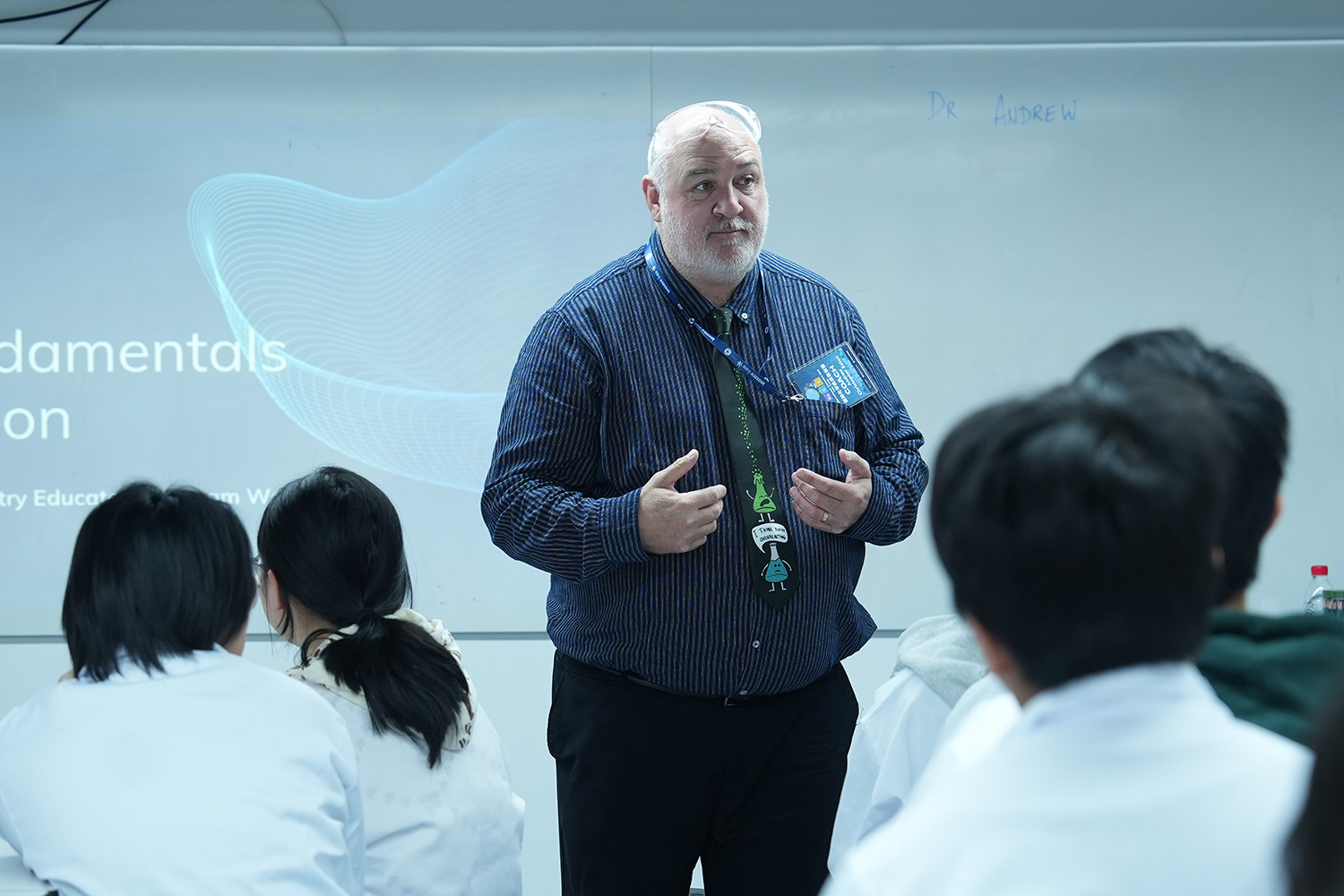
The coaching team of the ICQ Asia Camp consists of experienced educators from the Royal Australian Chemical Institute (RACI). In addition, Ms. Stephanie Smith, Trade and Investment Commissioner and Head of Education for Mainland China, Hong Kong, and Taiwan at the Australian Trade and Investment Commission (Austrade), has been specially invited to deliver opening remarks and communicate with participating students. Through international chemistry instruction and scientific thinking training, students will have opportunities to exchange ideas and collaborate with talented chemistry students from schools across the country, while also building a solid academic foundation for future advanced international chemistry challenges and applications to world-leading universities.
Pre-Assessment
International Chemistry Quiz (ICQ):20Apr. 24, 2027 (Sat.) 10:00–11:00, Grades 7–12
Academic Highlights
![]()
International Chemistry Exchange Experience with Diverse Perspectives
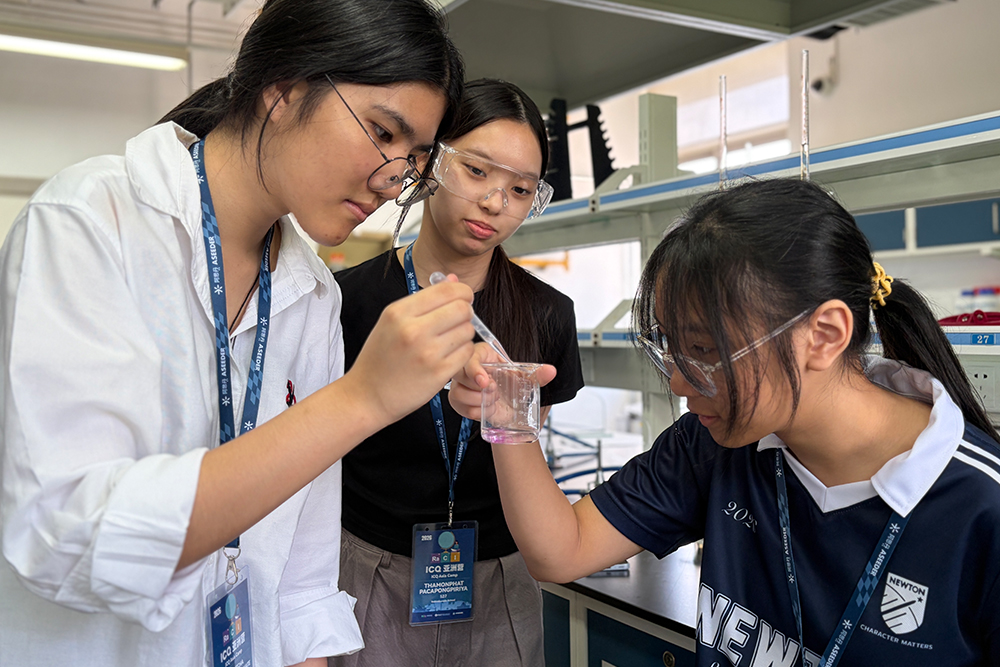
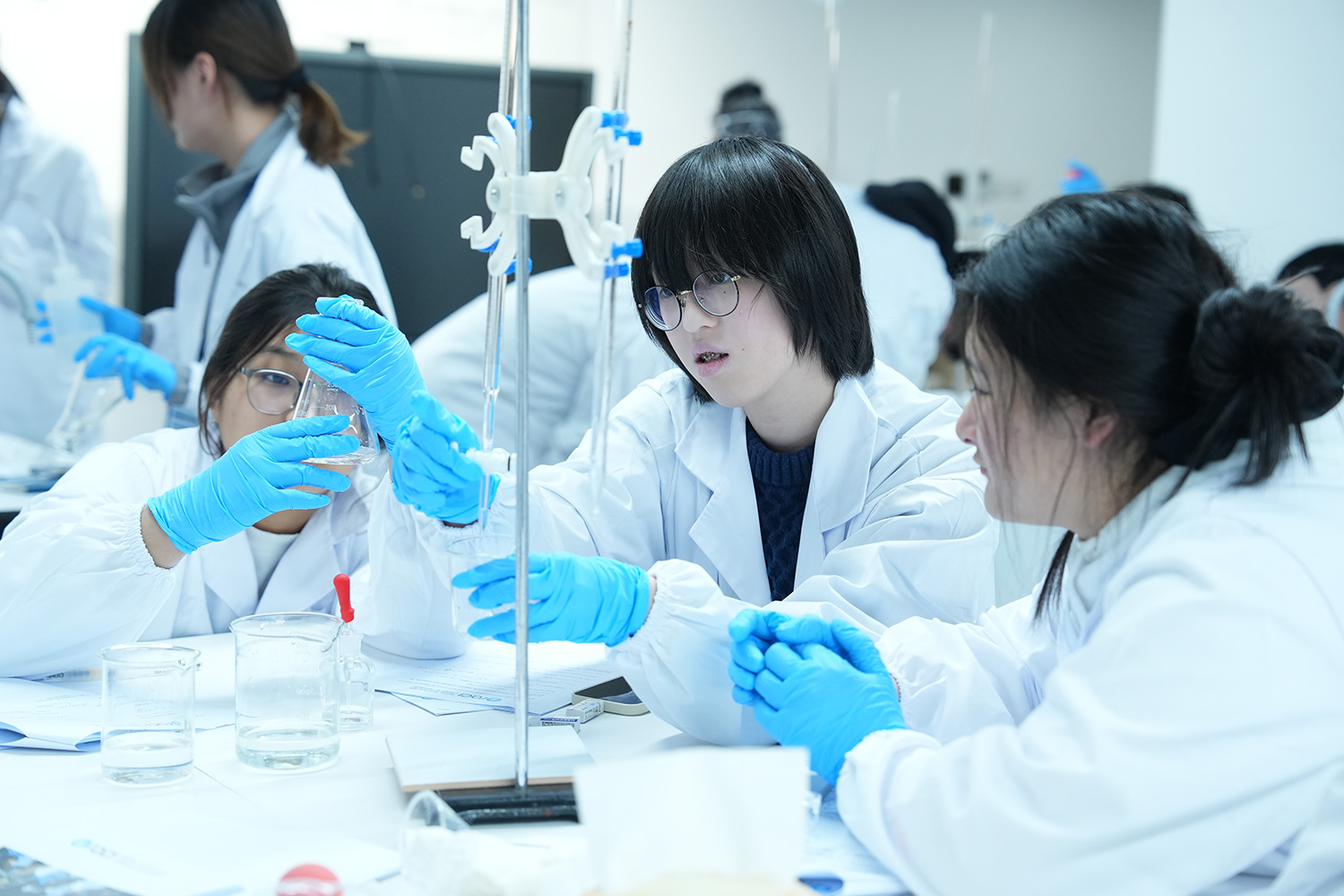
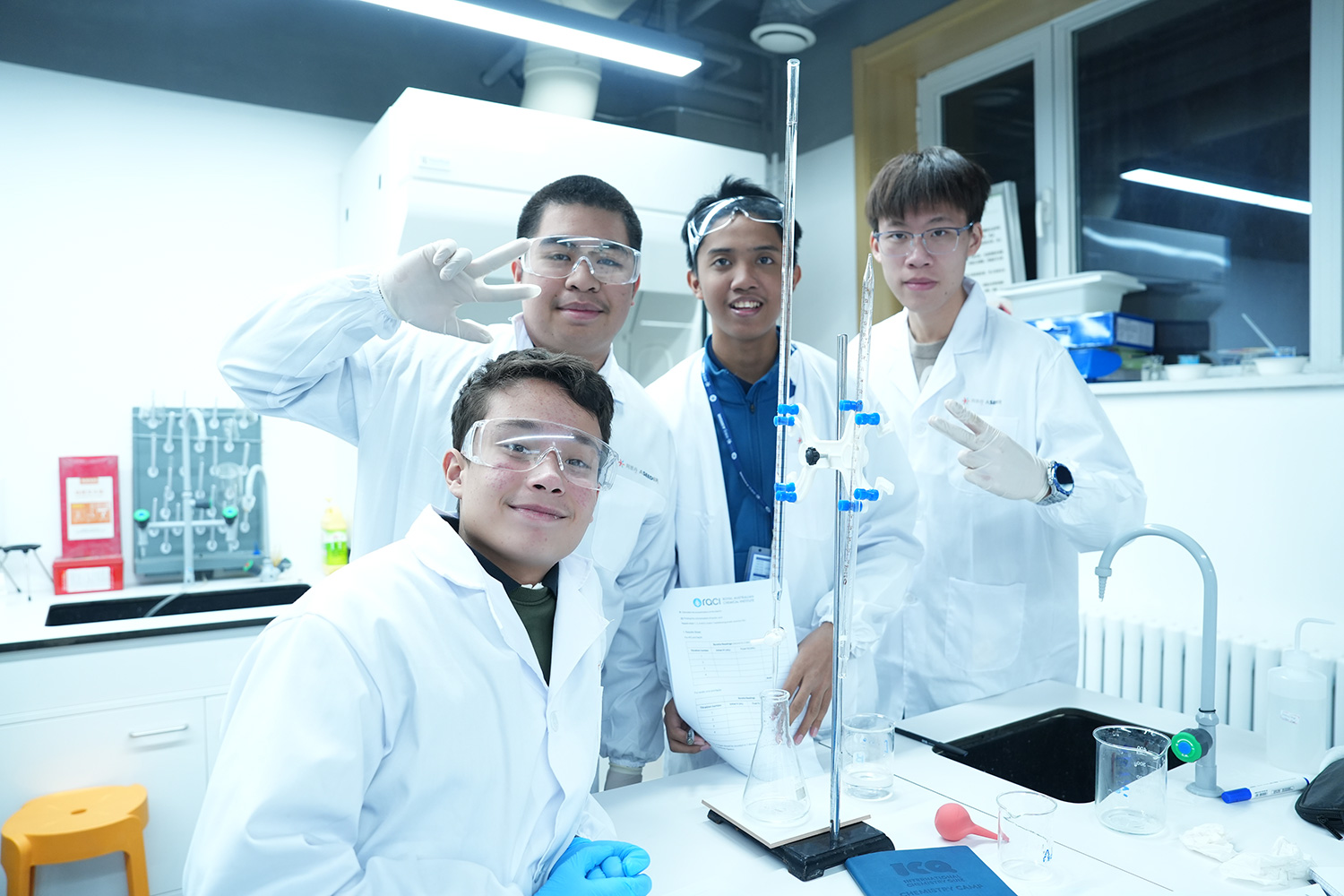
Outstanding ICQ award recipients from different countries and regions will gather together to experience diversified thinking and learning in an international academic environment, inspiring greater creativity in scientific research. The camp is expected to invite awarded chemistry students from countries such as Thailand and Indonesia to participate in China. Students will have opportunities to communicate and collaborate with outstanding peers across Asia, strengthen multilingual communication and teamwork skills, and compete in experimental chemistry challenges.
![]()
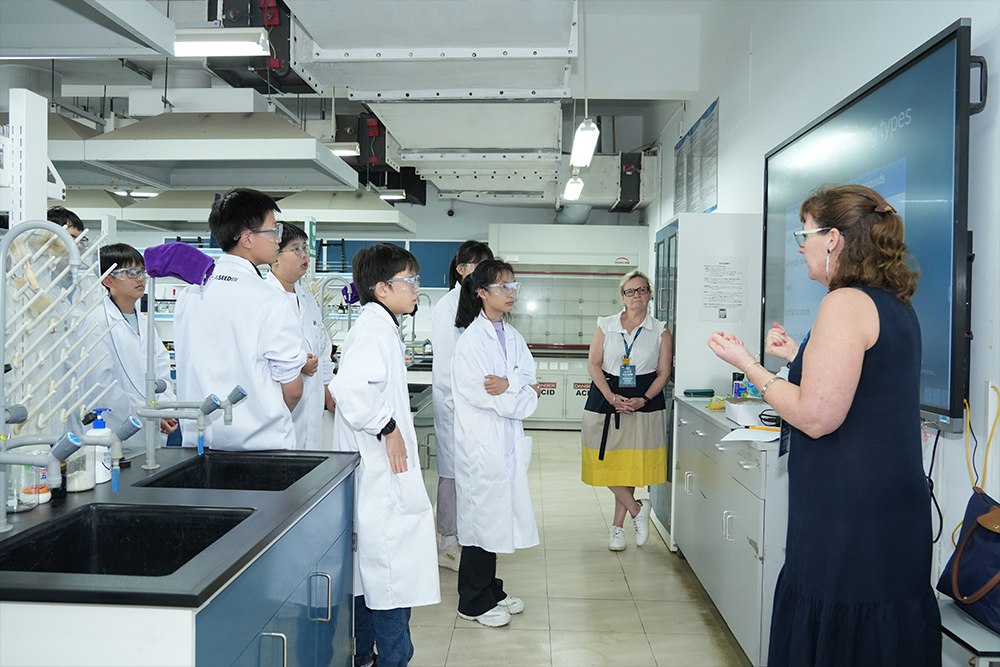
International Faculty Team Delivering Inquiry-Based Interactive Classes
All coaches of the ICQ Asia Camp are members of the Royal Australian Chemical Institute (RACI), including recipients of the STANSW Award for Services to Chemistry Education, contributors to the latest chemistry textbook development, and distinguished STEM educators. Through inquiry-based teaching approaches, they will create engaging and highly interactive classrooms that encourage students to think independently and explore scientific conclusions.
![]()
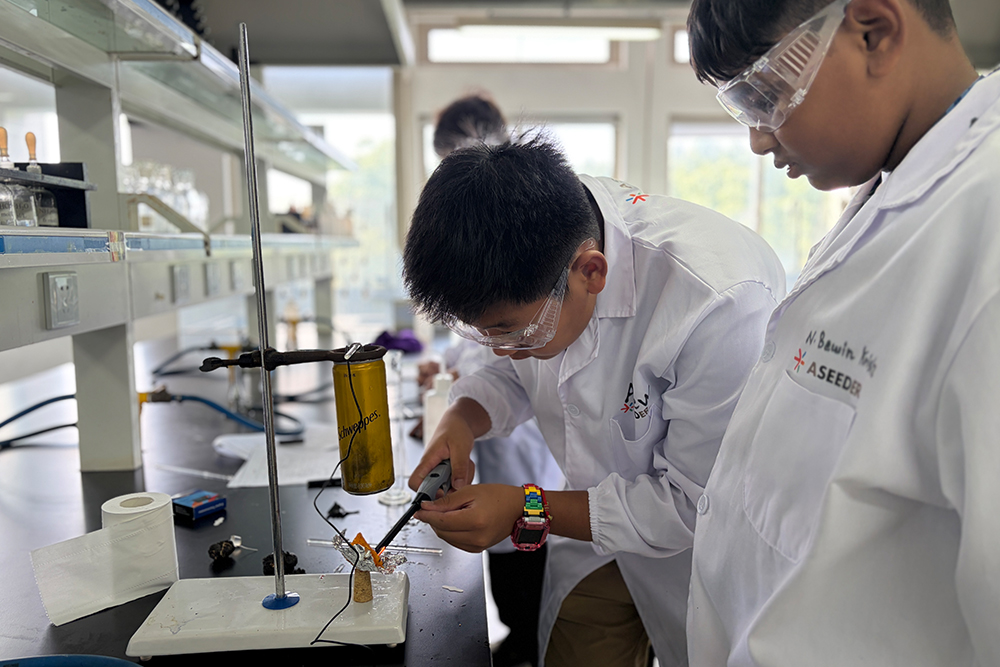
50% Hands-on Experimental Training to Strengthen Chemistry Skills
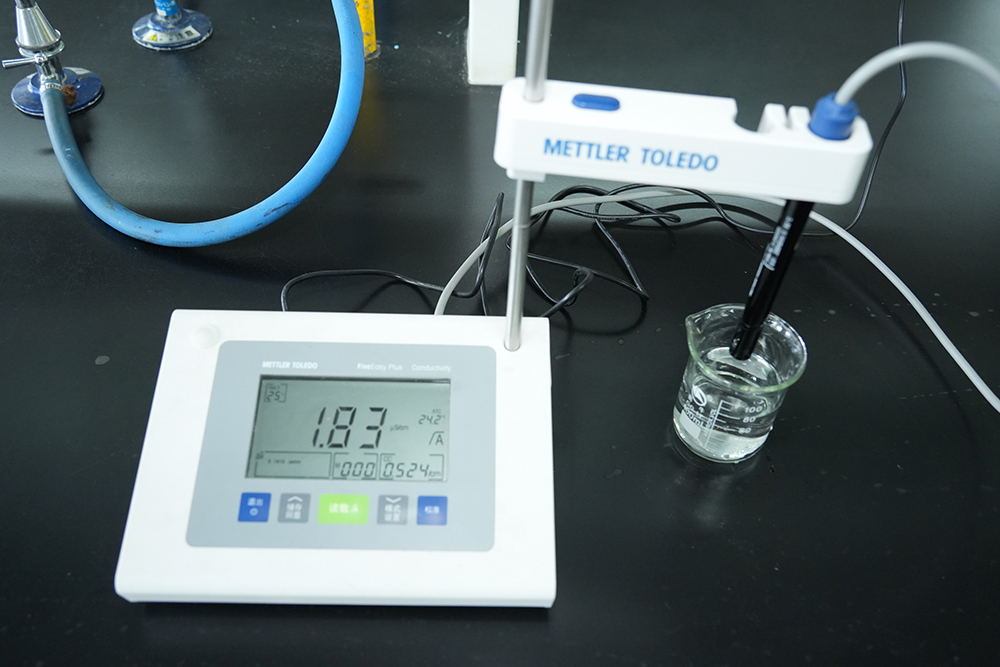
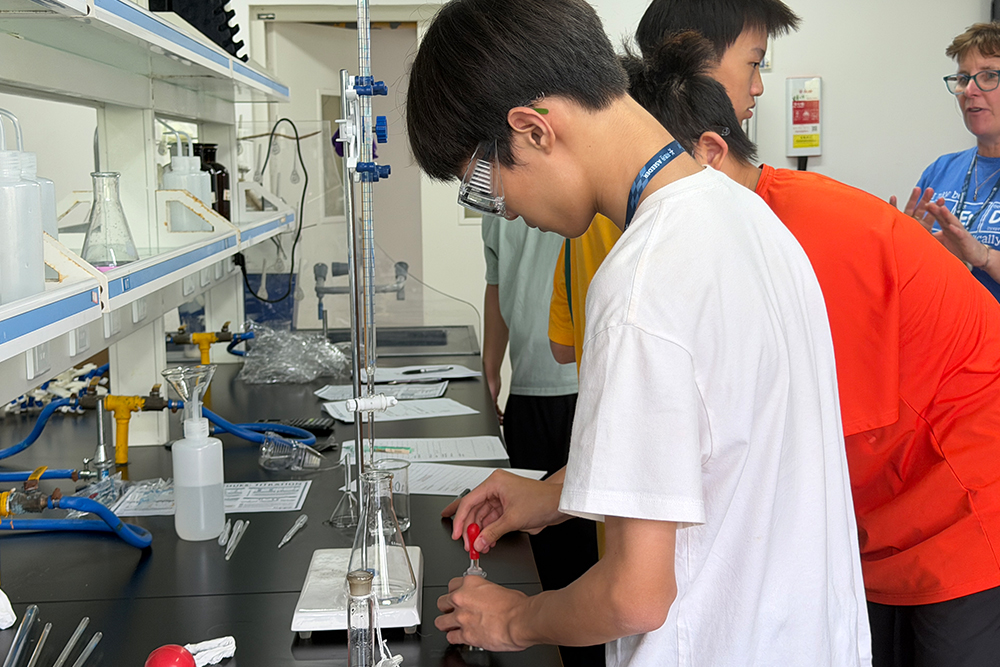
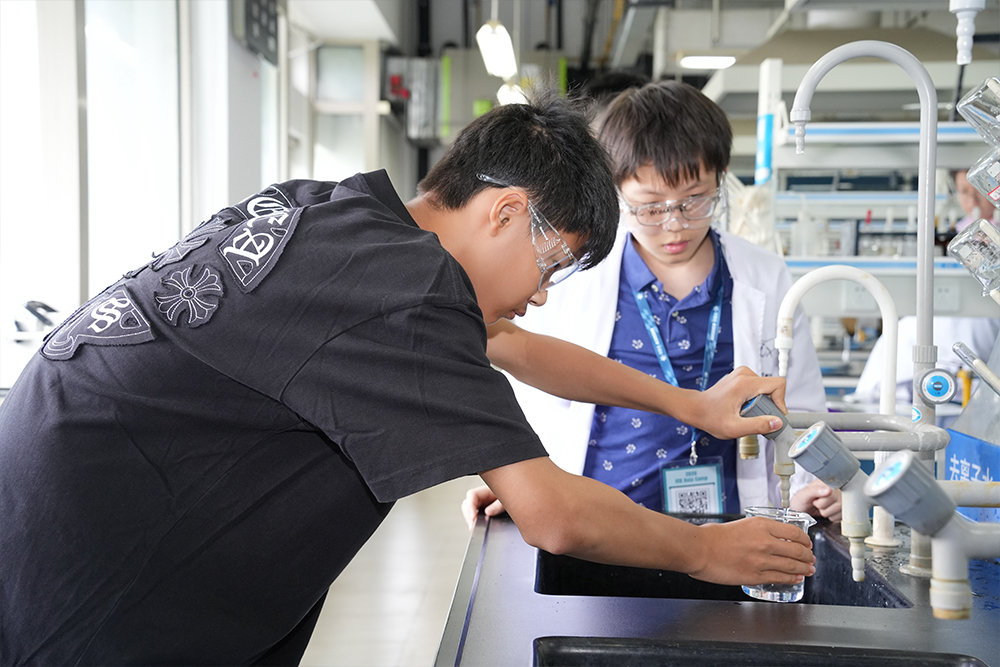
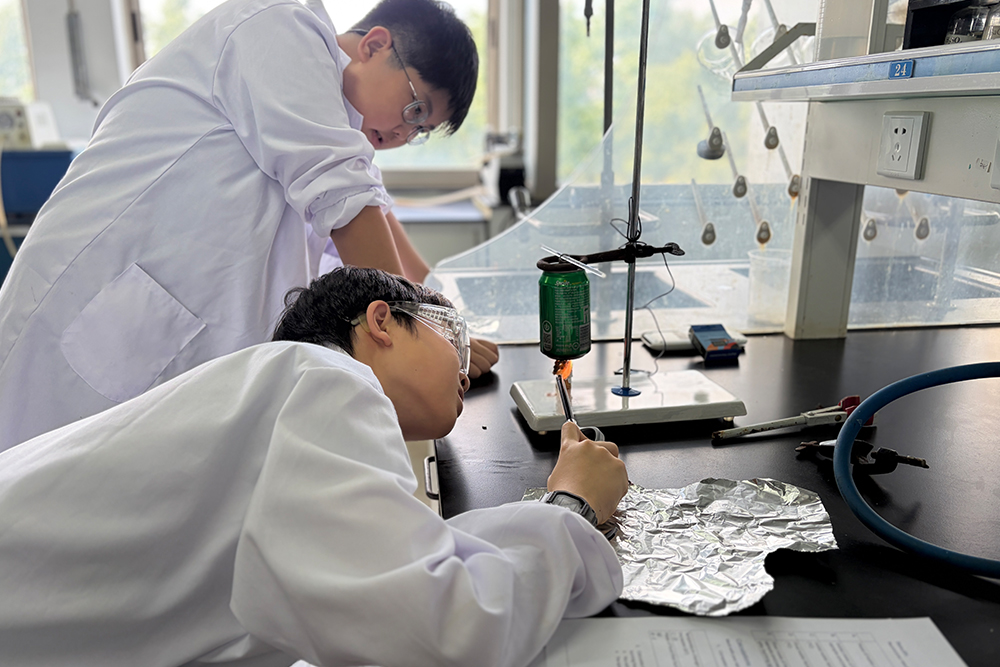
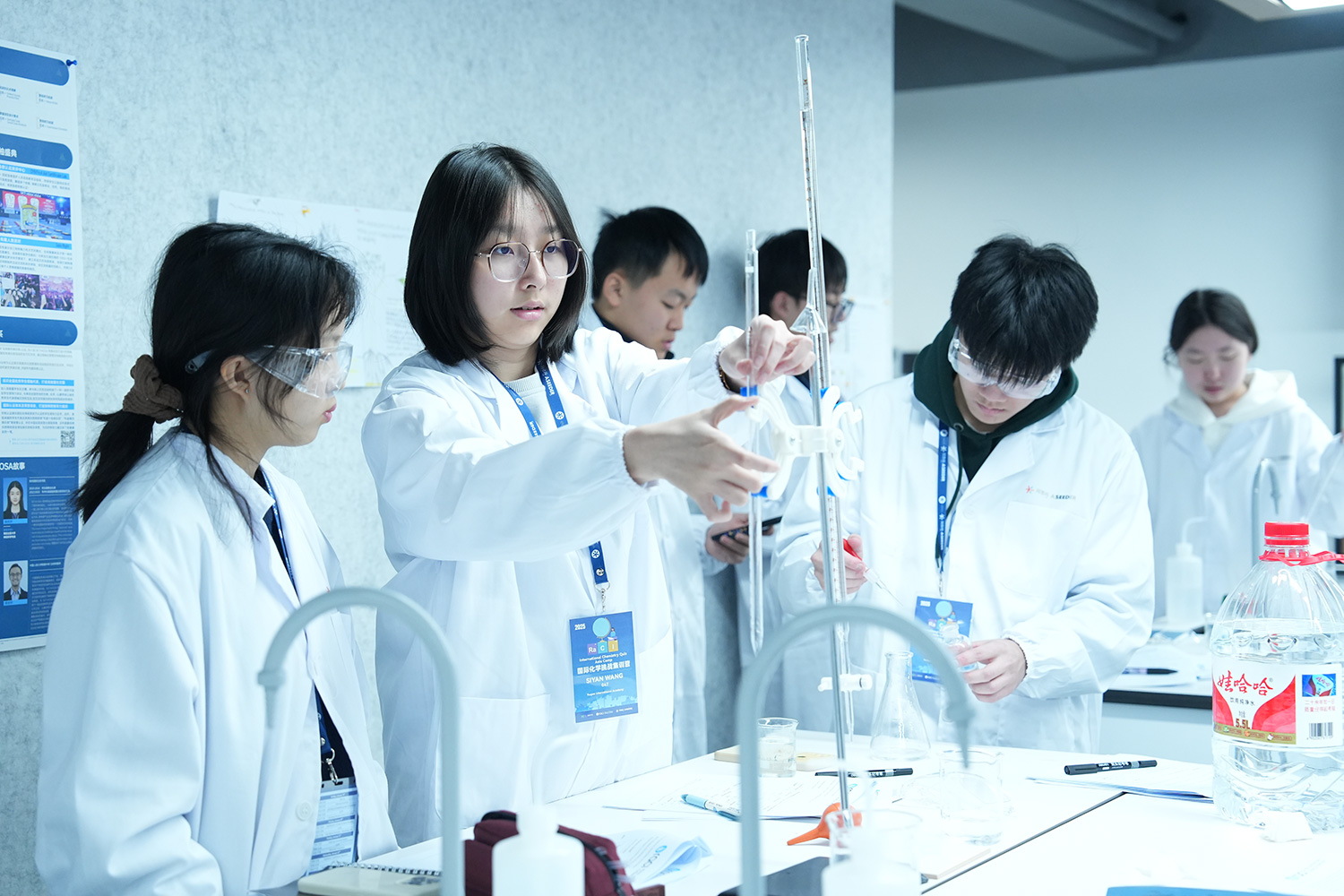
Themed chemistry workshops based on ICQ topics will connect chemistry concepts witheveryday life, guiding students to understand the essence of chemistry and its practical applications. Through experiments and laboratory exploration, students will uncover therelationship between chemistry and daily life, understand the underlying logic ofchemical research, and naturally develop practical skills in experimental design and result analysis.
![]()
Official Certificate Issued by RACI and UNSW
Students who complete the full ICQ Asia Camp program will receive an official Certificate of Participation issued by the Royal Australian Chemical Institute (RACI), recognizing their continued exploration and dedication to the field of chemistry.
Introduction to Excellent Program Supervisor

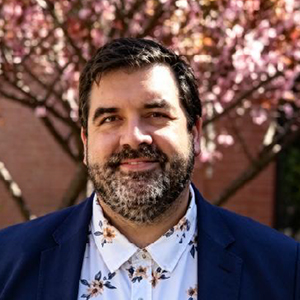
Mr. Nathan Curnow
Chair of the Chemical Education Group for the Royal AustralianChemical Institute (RACI) Western Australian (WA) Branch
Mr. Nathan Curnow
Chair of the Chemical Education Group for the Royal AustralianChemical Institute (RACI) Western Australian (WA) BranchMr. Nathan Curnow is the Head of Learning Area – Science at WillettonSenior High School in Perth, Western Australia which is one of the largest, high-performing high schools in the state. Nathan has been a teacher for 20years and is passionate about science education, science communicationand inspiring students and supporting their aspirations to study science. Hecares about connecting students with scientists, building critical andcreative thinking skills in learners and helping students become effectivescience communicators. In addition to his Bachelor of Science in Environmental Science andGraduate Diploma of Education, Nathan holds a Masters in Educationfocusing on cognitive acceleration in science education, has beenthePresident of the Australian Science Teachers Association (ASTA), serves on the Board of the Science Teachers Association of WesternAustralia (STAWA) and is Chair of the Chemical Education Groupfor the WA Branch of the Royal Australian Chemical Institute (RACI), where he leads the group to organise outreach opportunities for studentsacross Western Australia. He also serves as a co-chair on the Teacher Advisory Group for the RACI. In 2025, Nathan was awarded the WAPremier’s Science Award – STEM Educator of the Year (Schools) andthe de Laeter Medal for outstanding contributions to science teaching. Having been part of the original ICQ Camp in Beijing in 2025, Nathanisreturning, excited to inspire and challenge a new group of students in 2026.
Ms. Olivia Belshaw
Member of the CRISO Science Education Reference GroupandRACI Teacher Advisory Group
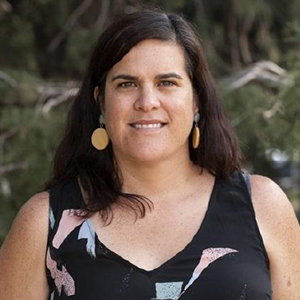
Ms. Olivia Belshaw
Member of the CRISO Science Education Reference GroupandRACI Teacher Advisory GroupOlivia Belshaw is a senior leader in science education with over 15 years of teaching experience and 10 years as a Head Teacher, specialising in Chemistry and Biology. She is committed to high-quality science education, curriculum design, assessment development, and supporting strong student outcomes across diverse educational contexts. In addition to her teaching role, Olivia contributes to science education at state and national levels. She works as a content writer, curriculum designer, and digital resource creator for senior secondary sciences, and is currently involved in the development of new Chemistry textbooks aligned with updated curricula. She has authored examination-style questions and senior science assessment materials for state and nationally recognised education bodies, and contributes to Year 11 and Year 12 trial examinations, reflecting her expertise in senior science assessment design.
Olivia has held leadership roles within professional associations, including three years as Secretary of the Science Teachers Association of NSW (STANSW). She currently serves as a member of the CRISO Science Education Reference Group and as a member of the Teacher Advisory Group for the Royal Australian Chemical Institute, contributing to national discussions on chemistry education, curriculum, and assessment.
Her contributions to science education have been formally recognised, including a nomination for the Prime Minister’s Award for Excellence in Science Teaching and receipt of the STANSW Award for Services to Chemistry Education. She has also supported exceptional student achievement, including mentoring a student to achieve the highest ATAR result in a NSW rural/regional school, and was recognised at a state level for her teaching and mentoring in Chemistry and Physics. Olivia has taught in rural, regional, and metropolitan schools and has consulted within the Juvenile Justice system to develop science programs that support student engagement and achievement. She is the founder and coordinator of national online networks for Australian science teachers in Biology, Chemistry, and Physics, and a co-creator of a national online resource hub supporting science educators.
She was selected as an Educator on Board aboard the CSIRO research vessel RV Investigator, working with scientists to develop classroom resources and support the integration of current research into secondary science education. She has shared this work with Fellows of the Australian Academy of Science, highlighting the connection between contemporary scientific research and classroom practice. Olivia brings extensive experience in classroom teaching, curriculum development, assessment design, and professional leadership to her work with students and teachers.
Ms. Catriona Chaikin
Council Member of the Science Teachers ’Association of New South Wales (STANSW) and Member of the NSWRACI Chemical Education Group
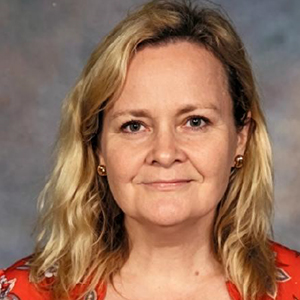
Ms. Catriona Chaikin
Council Member of the Science Teachers ’Association of New South Wales (STANSW) and Member of the NSWRACI Chemical Education GroupCatriona Chaikin is a highly accomplished Chemistry teacher at selective Horns by Girls High School in Sydney, NSW. She has more than 30 years of experience teaching secondary Chemistry across a wide range of school settings, including selective, private, public, and regional schools in both Australia and the UK. She has a particular interest in the application of mathematics to chemistry, the focus of her Master’s thesis, and is passionate about teaching gifted and talented students and encouraging girls to excel in this field. Catriona is a councillor with Science Teachers Association New South Wales (STANSW), and a member of the New South Wales RACI Chemical Education group.
Ms. Claire Phillips
Experienced Teacher of the Royal Australian Chemical Institute(RACI)
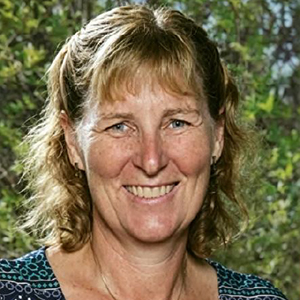
Ms. Claire Phillips
Experienced Teacher of the Royal Australian Chemical Institute(RACI)With over 20 years of experience in education following six years working in the chemical industry, Claire Phillips brings a rich blend of professional expertise and educational leadership to this International Chemistry Camp. Their background in industry provides a strong foundation in real-world chemistry, which continues to inform engaging, authentic learning experiences for students. Having taught in a wide range of school settings across New South Wales, Australia, as well as in England, Claire offers a global perspective on science education and a deep appreciation for diverse learning contexts. As an instructor of this international program, Claire is passionate about fostering curiosity, collaboration and cultural exchange among students from different backgrounds. They are committed to creating an inclusive learning environment where students are encouraged to think critically, communicate effectively and develop a shared enthusiasm for chemistry beyond the classroom. Outside of teaching, Claire enjoys running, swimming and travelling, pursuits that reflect a love of challenge, wellbeing and exploring new cultures — values that strongly align with the spirit of this international learning experience.
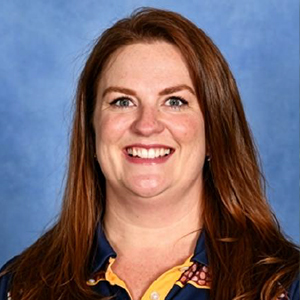
Ms. Joanne Thompson
Member of the School Curriculum and Standards Authority(SCSA) Earth and Environmental Science Curriculum Advisory Committee
Ms. Joanne Thompson
Member of the School Curriculum and Standards Authority(SCSA) Earth and Environmental Science Curriculum Advisory CommitteeJoanne Thompson is a passionate scientist and dedicated educator who brings over 20 years of experience as a working scientist to her role as a secondary science teacher. She is the current Treasurer of the Science Teachers’ Association of Western Australia and is a member of the WA School Curriculum and Standards Authority’s Earthand Environmental Science Curriculum Advisory Committee.

Previous Lab Projects
* Below are introductions of past lab projects. Specific practical lab courses are subject to adjustment based on actual circumstances.
Grades 7-8

Identifying Bonding Types
Learn to distinguish ionic, covalent and metallic bonds through experimental observations and model analysis, and understand the relationship between inter‑atomic interactions and material properties.

Making Solutions & Spectrophotometry
Learn standard‑solution preparation and quantitative‑analysis methods. Measure absorbance of solutions with varying concentrations using a spectrophotometer, explore the relationship between concentration and light absorption, and get hands‑on experience with modern analytical‑chemistry techniques.

Calorimetry: Energy in Food
Investigate the conversion between chemical energy and thermal energy by burning food samples to heat water. Estimate energy release from temperature changes and compare experimental outcomes with food‑nutrition reference data.

pH Indicators & Acid-Base Chemistry
Test the acid‑base properties of various substances using red‑cabbage natural indicator and universal indicator. Understand the concept of pH and principles of acid‑base reactions through vivid colour changes, and experience the microscopic changes behind chemical phenomena.

Microscale Titrations
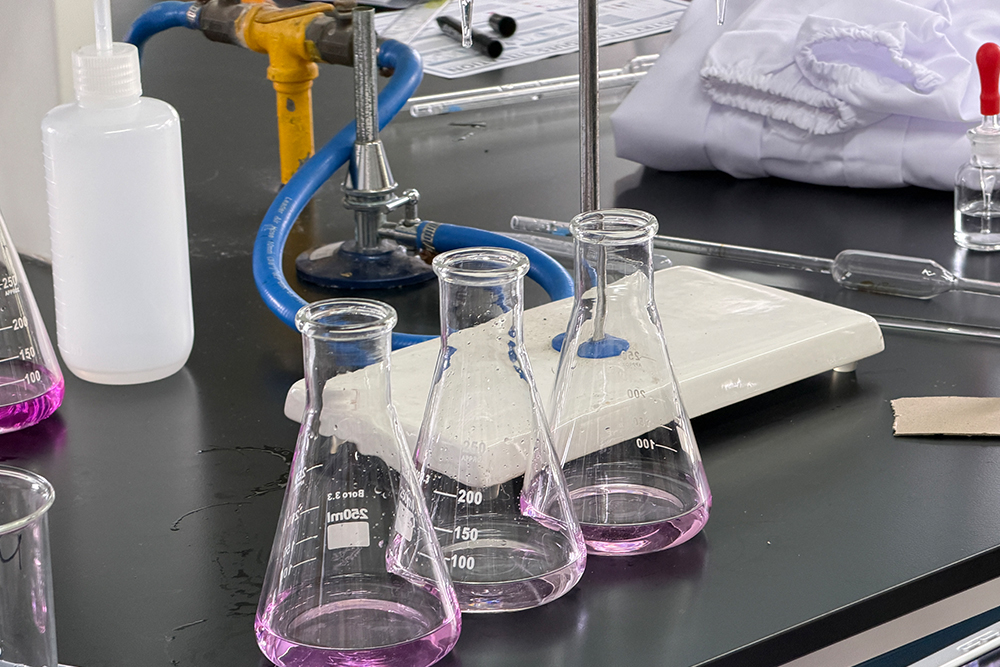
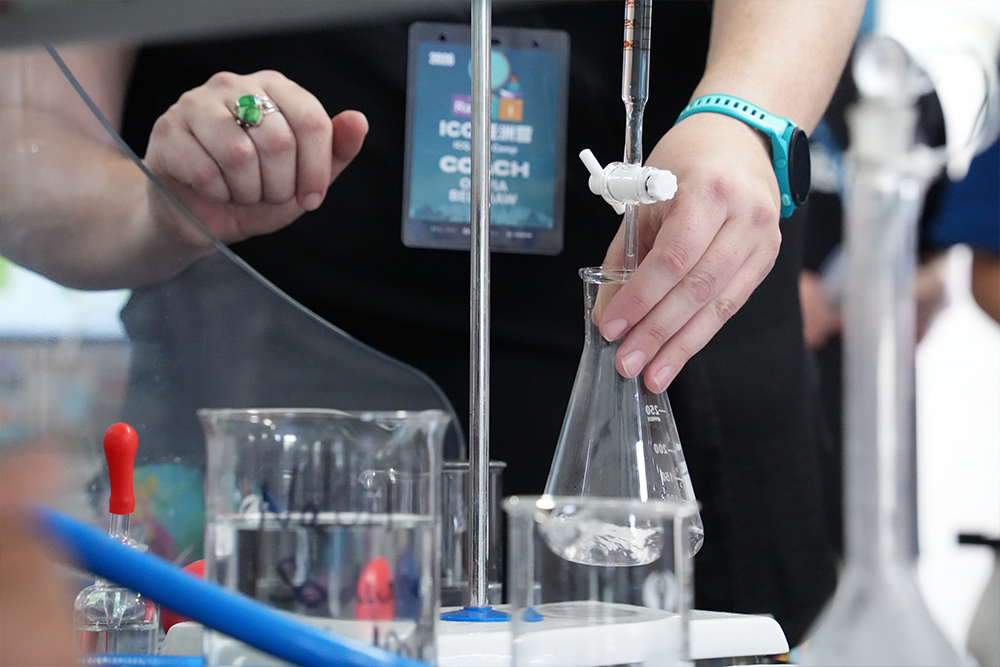
Determine acetic‑acid content in vinegar via acid‑base titration. Master volumetric‑glassware operation, endpoint identification and data‑analysis skills, and understand how experimental accuracy affects result reliability.

Silver Mirror Activity
Observe silver‑mirror formation via the classic reduction of silver ions by glucose. Explore redox‑reaction principles and recognise how experimental conditions and operational details strongly influence final results.
Grades 9-10

Exploring the Periodic Table
Systematically learn the structure and organisational logic of the periodic table through interactive activities. Examine element classification and periodic trends in properties to build a macroscopic perspective of chemistry.

Equilibrium Systems
Explore changes in forward and reverse reaction rates and the establishment of dynamic equilibrium for reversible reactions. Observe equilibrium shifts by altering concentration and temperature conditions, interpret experimental phenomena using Le Chatelier’s principle, and gain intuitive insight into the nature of chemical equilibrium.

Stoichiometry: Hydrogen Gas Collection
Collect hydrogen gas from the reaction between magnesium and hydrochloric acid. Explore the quantitative relationship between reactant mass and gas yield using balanced chemical equations and mole calculations, and analyse discrepancies between experimental data and theoretical predictions.

Detoxification & Indigenous Science Practices
Set against the background of traditional food‑processing techniques of Australian First Nations peoples. Simulate the leaching process of natural plant materials and investigate how different treatment conditions affect detoxification efficiency. Develop experimental‑design competence and critical‑thinking skills through result evaluation and protocol optimisation.

Titration Techniques & Competition
Standardise sodium‑hydroxide solution using KHP primary standard, then determine the concentration of unknown samples. This experiment reinforces procedural discipline, data processing and quantitative‑analysis capabilities, simulating professional laboratory workflows.

Synthesis of Aspirin
Study the organic synthesis of aspirin from salicylic acid and acetic anhydride. Complete reaction, crystallisation, purification and percentage‑yield analysis to experience the full chemical workflow for pharmaceutical‑compound preparation.
Schedule
Junior (Grades 7-8)
| Day 1 | Day 2 | Day 3 | Day 4 | Day 5 | |
|---|---|---|---|---|---|
| Morning | Opening Ceremony
Lab Safety Escape Room |
Separation Techniques | Metal Reactions | Microscale Titrations | Tollens'/Silver Mirror activity Closing Ceremony |
| Noon | Lunch | ||||
| Afternoon | Identifying Bonding Types |
pH & pH Indicators |
Making Solutions | Calorimetry | Leave |
Senior (Grades 9-10)
| Day 1 | Day 2 | Day 3 | Day 4 | Day 5 | |
|---|---|---|---|---|---|
| Morning | OpeningCeremony
Group Bonding &Introductory |
Detox Reactions | Titrations | Stochiometry &Synthesising Aspirin | Tollens' Silver Mirror activity Closing Ceremony |
| Noon | Lunch | ||||
| Afternoon | Group Bonding & Introductory Activities |
pH & pH Indicators |
Exploring Reversible Reactions & EQ Systems | Calorimetry | Leave |
* The schedule may be adjusted according to students' academic levels and actual arrangements.
Participant Information
Programme Fee
Including the cost of teaching, the use of academic materials and experimental equipment, excluding other service
costs such as accommodation and dining.
* * The organizing committee will provide service packages for students to choose before the Campstarts.
Registration Deadline
Three weeks before the programme begins.
* Places on the camp are limited and registration will close once all places have been filled. Applications submitted after the deadline will be considered a voluntary withdrawal from participation.