 Teachlink
 APASS-Learning platform





Prof. Paul Stanly
- Former Head Coach of the USA Physics Olympiad National Team (10 years)
- Senior Lecturer in Physics, Duke University
Prof. Paul Stanly
- Former Head Coach of the USA Physics Olympiad National Team (10 years)
- Senior Lecturer in Physics, Duke University
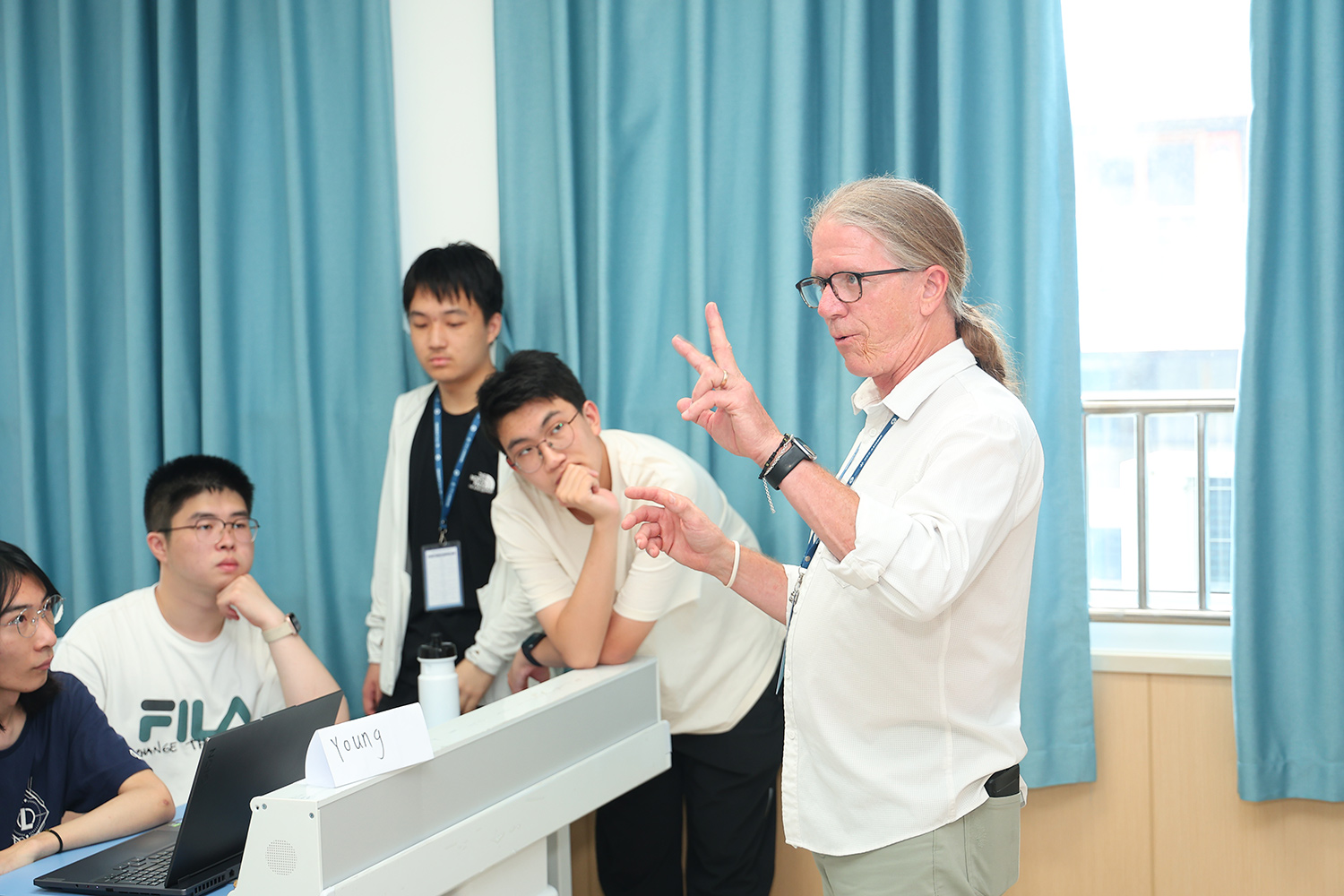
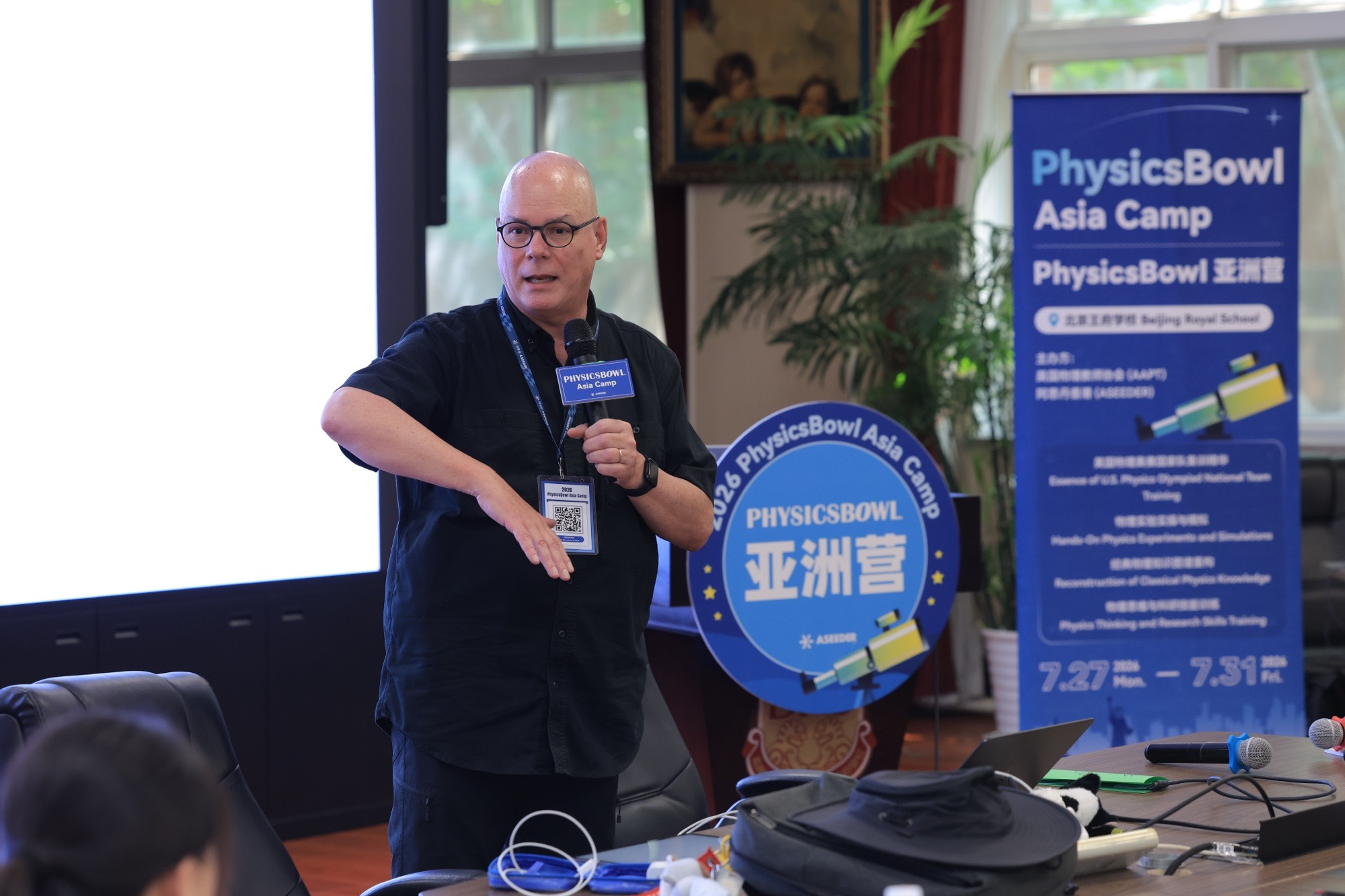
Prof. Paul Stanley is a Senior Lecturer in Physics at Duke University and has been seconded to serve as Associate Dean of Undergraduate Studies at Duke Kunshan University. His research spans multiple theoretical physics fields, including nonlinear dynamics, mathematical physics, quantum theory methods, and acoustic physics, with a particular focus on the mathematical modeling of complex vibrating systems and wave phenomena. Meanwhile, he enjoys an outstanding international reputation in physics education, competition training, and the cultivation of top-tier talents, and is recognized as one of the most influential mentors in Physics Olympiads worldwide.
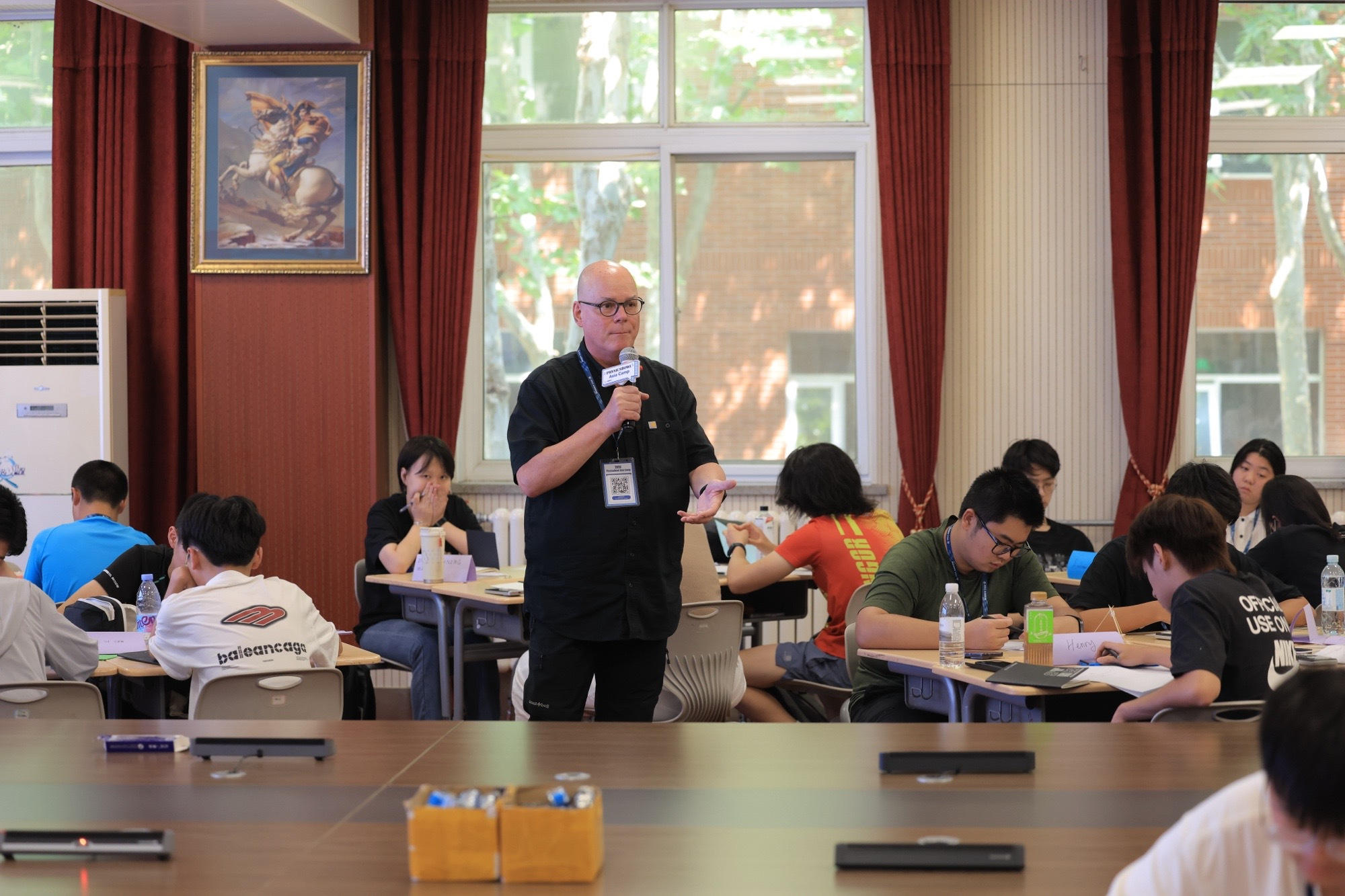
Prof. Stanley served as the Head Coach of the U.S. Physics Team for 10 years and has been a long-standing member of the International Physics Olympiad (IPhO) International Board. During his coaching career, the U.S. teams he led won a total of 45 gold medals, 31 silver medals, and 4 bronze medals, making significant contributions to America's sustained leadership in the international physics competition arena.
In terms of academic contributions, Prof. Stanley co-authored the fifth edition of one of the world's most influential university physics textbooks — Halliday, Resnick and Walker: Fundamentals of Physics — as well as several accompanying solution guides. This textbook is used as a standard resource for introductory physics courses at many of the world's top universities and has had a profound impact on physics education globally. Furthermore, he has been actively involved with the American Physical Society (APS) and the American Association of Physics Teachers (AAPT), dedicated to promoting physics education reform and the development of high-level physics talent.
His educational contributions have been featured in a special report by APS News, and he has been invited many times to lead physics competition training, teacher professional development programs, and academic exchange initiatives around the world.
With his extensive experience spanning top-tier university teaching, the International Olympiad system, and global physics education outreach, Prof. Stanley possesses unique advantages in cultivating internationally competitive physics talent, serving as an important bridge between the university academic system and the physics competition training system.

Mr. Jon Anderson
- Chair of the PhysicsBowl Academic Committee
- Lead Instructor for AAPT Physics Teacher Professional Development
- Lecturer, School of Physics and Astronomy, University of Minnesota
Mr. Jon Anderson
- Chair of the PhysicsBowl Academic Committee
- Lead Instructor for AAPT Physics Teacher Professional Development
- Lecturer, School of Physics and Astronomy, University of Minnesota
Prof. Jon Anderson is a seasoned physics educator with over 36 years of extensive teaching experience spanning both U.S. high school and university physics education systems. He currently serves as a professor in the School of Physics and Astronomy at the University of Minnesota and plays a key role in several important academic organizations within the American physics education community.
AAPT Core Leadership Roles
In terms of academic service, Mr. Anderson has long been active in the American Association of Physics Teachers (AAPT), serving as the Lead Mentor for AAPT Physics Teacher Capacity Building and taking responsibility for PhysicsBowl academic content development. He has significant influence in advancing the quality of physics education in the U.S., building competition systems, and fostering physics teacher development — particularly playing a central role in the academic organization and question development of the globally renowned PhysicsBowl competition. Concurrently, he serves as the Teacher-in-Residence Head Coordinator for the PhysTEC project, responsible for the coordination and guidance of physics teacher preparation programs nationwide.
AAPT Honors and Awards
Additionally, he has long served on the AAPT Committee on High School Physics and regularly organizes special sessions at AAPT national conferences to share physics education research findings. In 2017, Mr. Anderson was honored as an AAPT Fellow. In 2018, he received the AAPT Homer L. Dodge Citation for Distinguished Service to AAPT, which is one of the association's highest honors recognizing exceptional contributions by its members.
Physics Education Research and Innovation
In terms of research and professional focus, Prof. Anderson concentrates on physics education research, modeling instruction, inquiry-based learning, and the development of professional development systems for physics teachers. He is dedicated to exploring how scientific modeling and experimental inquiry can enhance students' deep understanding of physics concepts and promote the application of research-based teaching methods in physics classrooms.
Mr. Anderson has long been committed to transforming cutting-edge physics research results into teaching resources. During the 1999–2000 academic year, he received a Fermilab Teacher Fellowship and conducted research at the DZero detector project at Fermi National Accelerator Laboratory. In 2002, he was trained as a QuarkNet Lead Teacher, a program supported by the National Science Foundation (NSF) and Fermi National Accelerator Laboratory, designed to help teachers translate cutting-edge particle physics research into classroom content. That same year, he traveled to CERN in Switzerland to participate in cutting-edge particle physics research. Since 2003, he has been organizing annual particle physics-themed teacher workshops at the University of Minnesota.
Science Outreach and Public Engagement
Mr. Anderson is a core member of the University of Minnesota's renowned science outreach team, "Physics Force," having been involved with the team for over 20 years. Each year, the team delivers physics demonstration performances to over 20,000 audience members (many of them elementary school students), inspiring young people's passion for physics.
Educational Honors and Professional Recognition
Mr. Anderson has received numerous honors, including the Centennial Educational Association Teacher of the Year (1997–98), Minnesota Outstanding Teacher, and Teacher of Honor, and was a finalist for Minnesota Teacher of the Year (Top 9).
PhysicsBowl Asia Camp Program Design
Prof. Jon Anderson will draw on his extensive experience in physics education research and Modeling Instruction to specially design experimental and inquiry-based learning sessions for the PhysicsBowl Asia Camp. Through experimental modeling and problem analysis in real-world physics contexts, he will help students gain a deeper understanding of the physical principles behind classic PhysicsBowl problems and enhance their comprehensive ability to move from conceptual understanding to problem-solving.
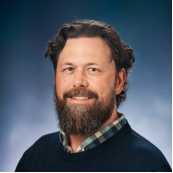
Mr. Clay Stanfield
- U.S. Physics Olympiad Coach
- Senior Instructor, Physics Bowl
Mr. Clay Stanfield
- U.S. Physics Olympiad Coach
- Senior Instructor, Physics Bowl
Mr. Clay Stanfield has over ten years of high school physics teaching experience. During his teaching career, he earned dual master's degrees in Physics and Education, advancing to become a Master Teacher in the field of physics. In 2019, with funding from PhysTEC, he joined the Department of Physics at Texas A&M University-Commerce to help recruit, inspire, and train the next generation of physics (and STEM) teachers. He now works within the Department of Curriculum and Instruction, teaching and advising STEM undergraduate students seeking teaching certification after graduation.

Ms. Katharina Gutcher
- U.S. Physics Olympiad Coach
- Senior Instructor, Physics Bowl
Ms. Katharina Gutcher
- U.S. Physics Olympiad Coach
- Senior Instructor, Physics Bowl
Katharina Gutcher is originally from Germany and has a degree in optometry. During the first part of her career, working in an optometric office that specialized in traumatic brain injury, she participated in some notable research and co-authored the book “Vision Rehabilitation: Multidisciplinary Care of the Patient Following Brain Injury”. During that time, Katharina also worked with multiple school aged patients that struggled academically due to their vision deficits. Her work eventually led her to change careers, becoming an educator and joining AAPT as a U.S. Physics Olympiad coach and PhysicsBowl instructor.
Ms. Gutcher deeply integrates her interdisciplinary professional background with physics teaching, with a particular focus on addressing individual student differences and constructing diverse learning pathways. Her unique career trajectory brings a fresh perspective to physics education — from vision science to the physics classroom, she consistently focuses on the core question of "how students see and understand the world."
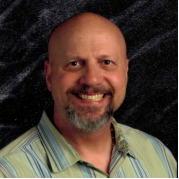
Mr. Christopher Doscher
- U.S. Physics Olympiad Coach
- PhysicsBowl Master Teacher
- Master's Degree in Physics Education Research
- K-12 Representative, AAPT Oregon Section
Mr. Christopher Doscher
- U.S. Physics Olympiad Coach
- PhysicsBowl Master Teacher
- Master's Degree in Physics Education Research
- K-12 Representative, AAPT Oregon Section
He began teaching in Miami, Florida, in 2003, following his lifelong passion for learning and physics. He was fortunate to become part of the Florida physics education community and, starting in 2006, began participating in and eventually leading physics and chemistry modeling workshops at Florida International University. In 2016, he earned a Master of Science degree in Curriculum and Instruction, with a focus on Physics Education Research. He currently teaches physics and engineering design at Winston Churchill High School in Eugene, Oregon, while also serving as the K–12 Representative for the Oregon section of the American Association of Physics Teachers (AAPT).

Ms. Lisa Houchins
- U.S. Physics Olympiad Coach
- Senior Instructor, Physics Bowl
Ms. Lisa Houchins
- U.S. Physics Olympiad Coach
- Senior Instructor, Physics Bowl
Ms. Lisa Houchins graduated from the University of Minnesota with a bachelor’s degree in physics in 2003 and completed her masters degree in mathematics and physics education in 2009. Lisa has taught math and physics to students of all ages from elementary through college. She enjoys fostering curiosity in elementary school students and helping them see how science and physics are present in the world around them. She firmly believes that the core of education lies in sparking curiosity, allowing every student to find their own interests and path for growth in learning physics.
Previous Lecture Topics

Nuclear Physics and Quantum Physics
The internal structure of the atomic nucleus, along with the fundamental laws of nuclear decay and nuclear reactions, forms the core of nuclear physics research. The introduction of quantization, wave-particle duality, and the uncertainty principle has fundamentally transformed the way we describe microscopic physical systems. These concepts help students understand why classical intuition fails at the atomic scale and how quantum theory provides the theoretical underpinning for technologies such as nuclear energy, medical imaging, and quantum information. For students, this topic offers not only a knowledge framework but also a new way of re-examining the material world.
Fluid Mechanics
Starting from the continuum hypothesis, fluid motion is described by the Euler equations and the Navier-Stokes equations. The distinction between ideal and viscous fluids, the transition mechanism between laminar and turbulent flow, and the analysis of boundary layers and vorticity dynamics form the logical backbone of this field. Applying these theoretical frameworks to aircraft design, blood flow simulation, or weather modeling reveals how mathematical structures can precisely correspond to physical reality. The value of this topic lies in helping students build a complete cognitive path from abstract equations to engineering practice.
Special and General Relativity
The geometric description of spacetime structure is the central contribution of relativistic physics. Starting from the constancy of the speed of light and the equivalence principle, special relativity reveals the intrinsic relationships among time dilation, length contraction, and mass-energy equivalence. General relativity, in turn, interprets gravity as the geometric effect of curved spacetime. This theoretical system not only overturns the classical view of space and time but also directly influences modern technologies such as GPS navigation and gravitational wave detection. Under the guidance of the instructors, students will learn how to derive counterintuitive yet experimentally verifiable physical conclusions from fundamental principles.
Musical Acoustics
The generation, propagation, and perception of sound can be systematically analyzed from the perspectives of waves and vibrations. The wave equation for strings, acoustics of air columns, resonant systems, and Fourier analysis together form the mathematical foundation for the study of timbre and sound quality. The quantitative description of musical instrument sound production mechanisms, the influence of nonlinear effects on acoustic characteristics, and the interdisciplinary exploration of auditory psychophysics demonstrate the systematic exploration of physics at the intersection of art and science. For students seeking to establish connections between theoretical abstraction and perceptual reality, this topic offers a unique form of intellectual training.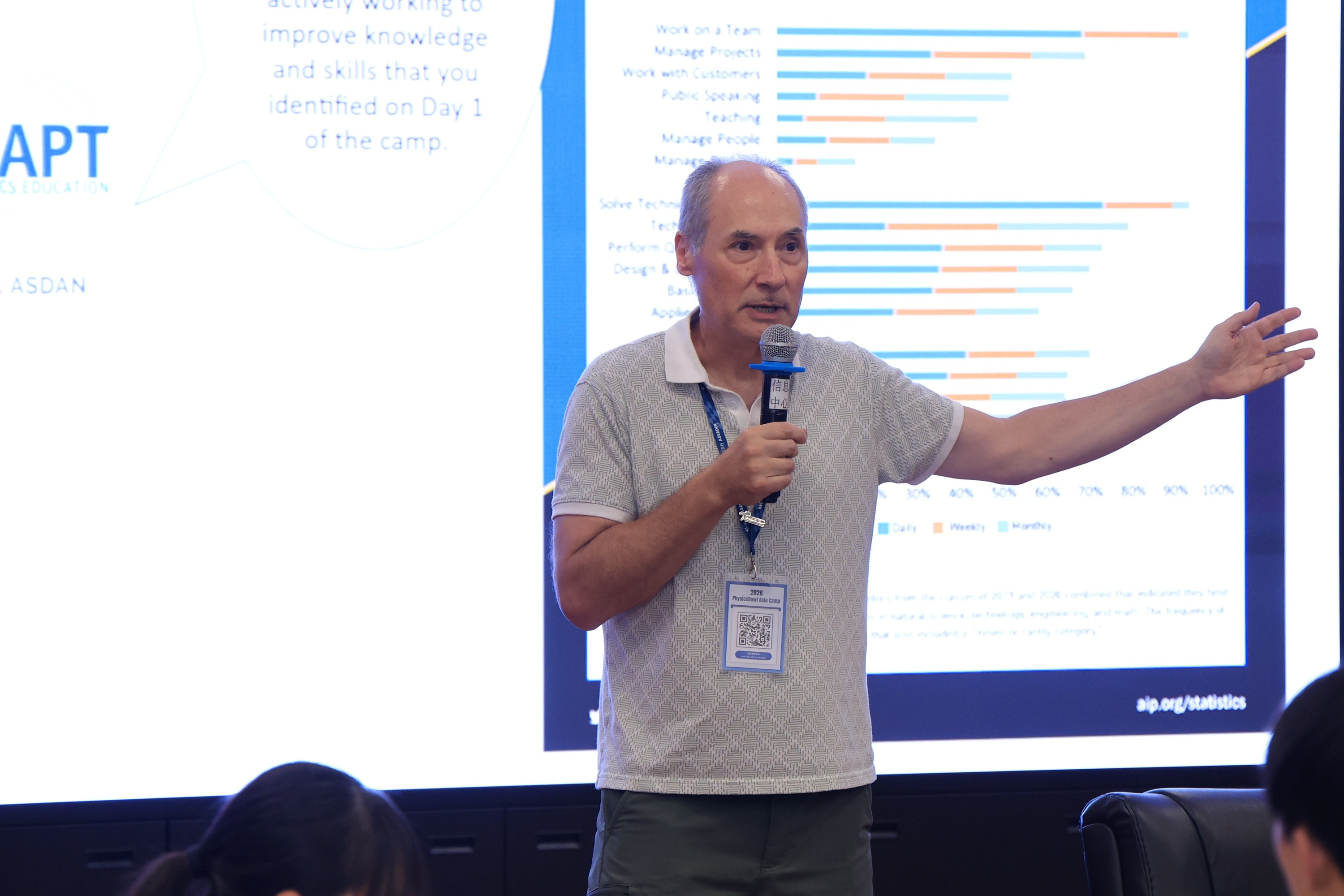
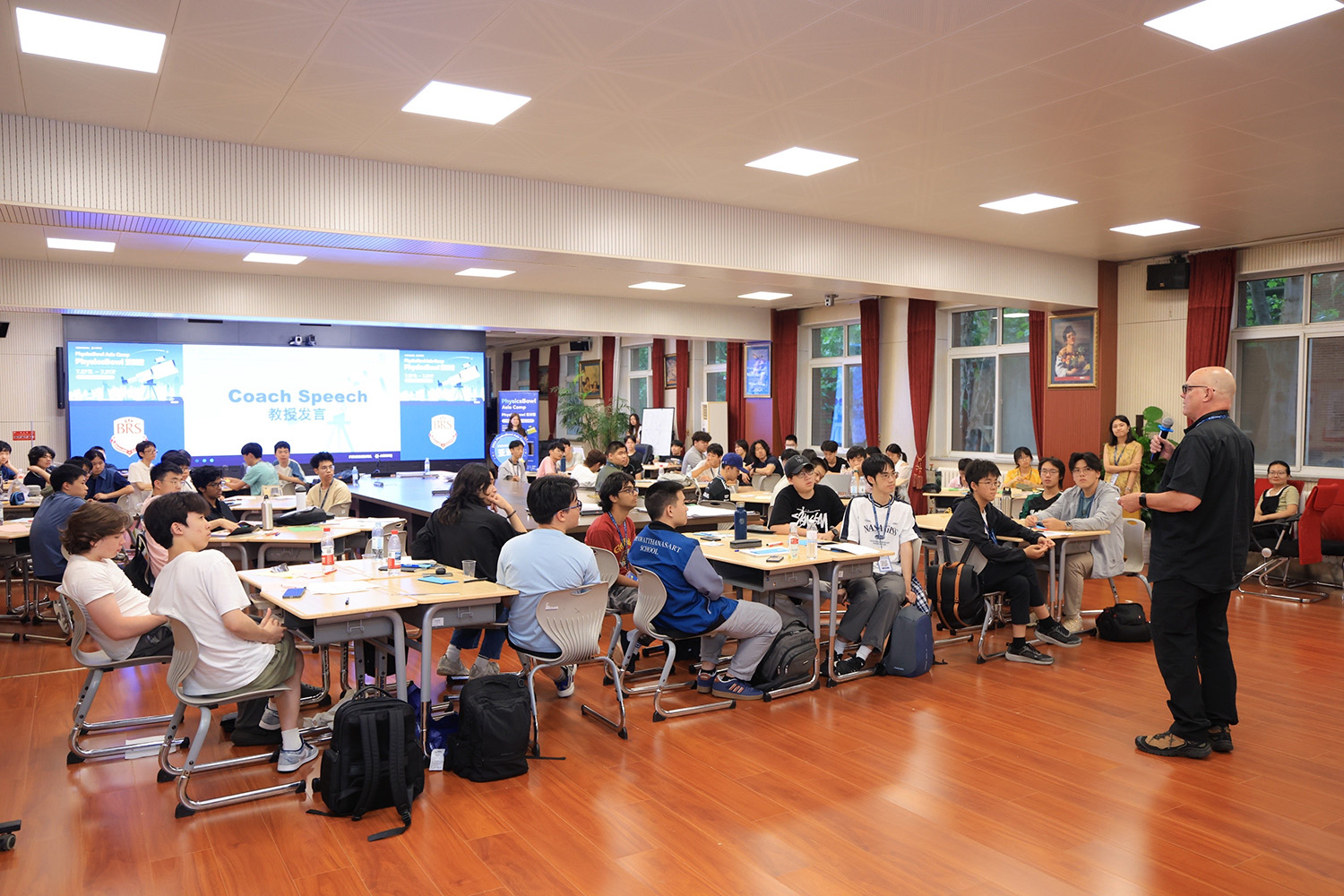
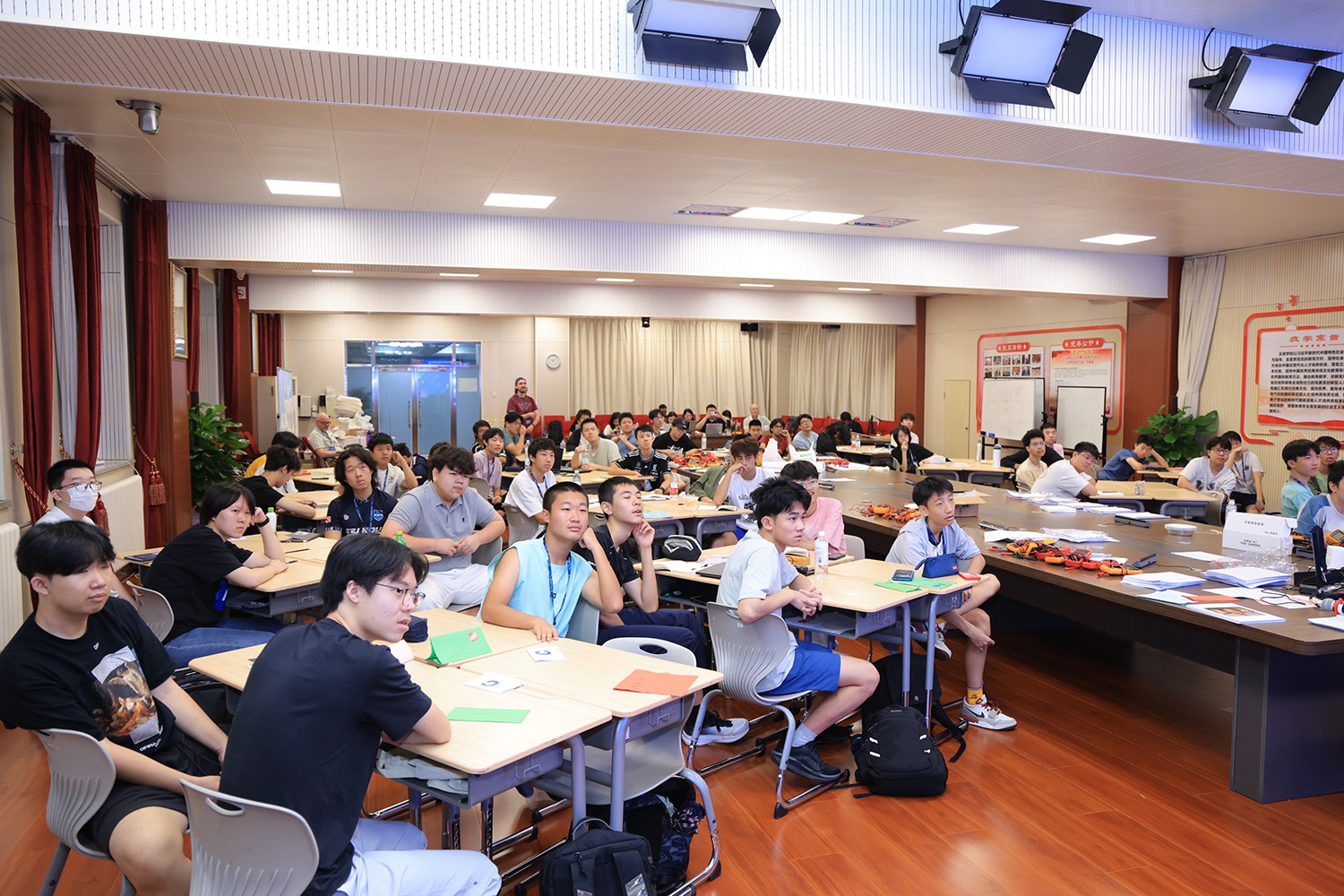
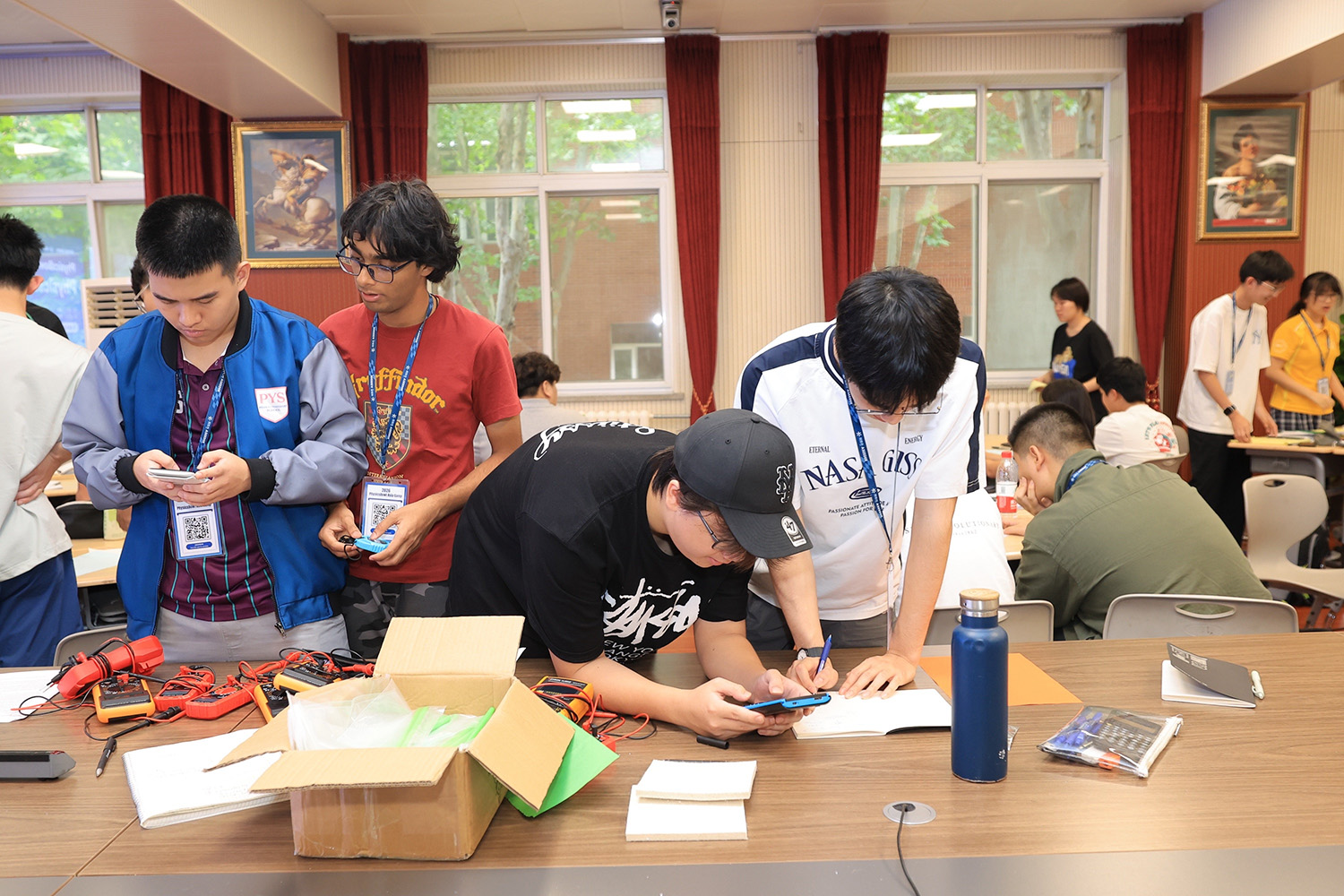
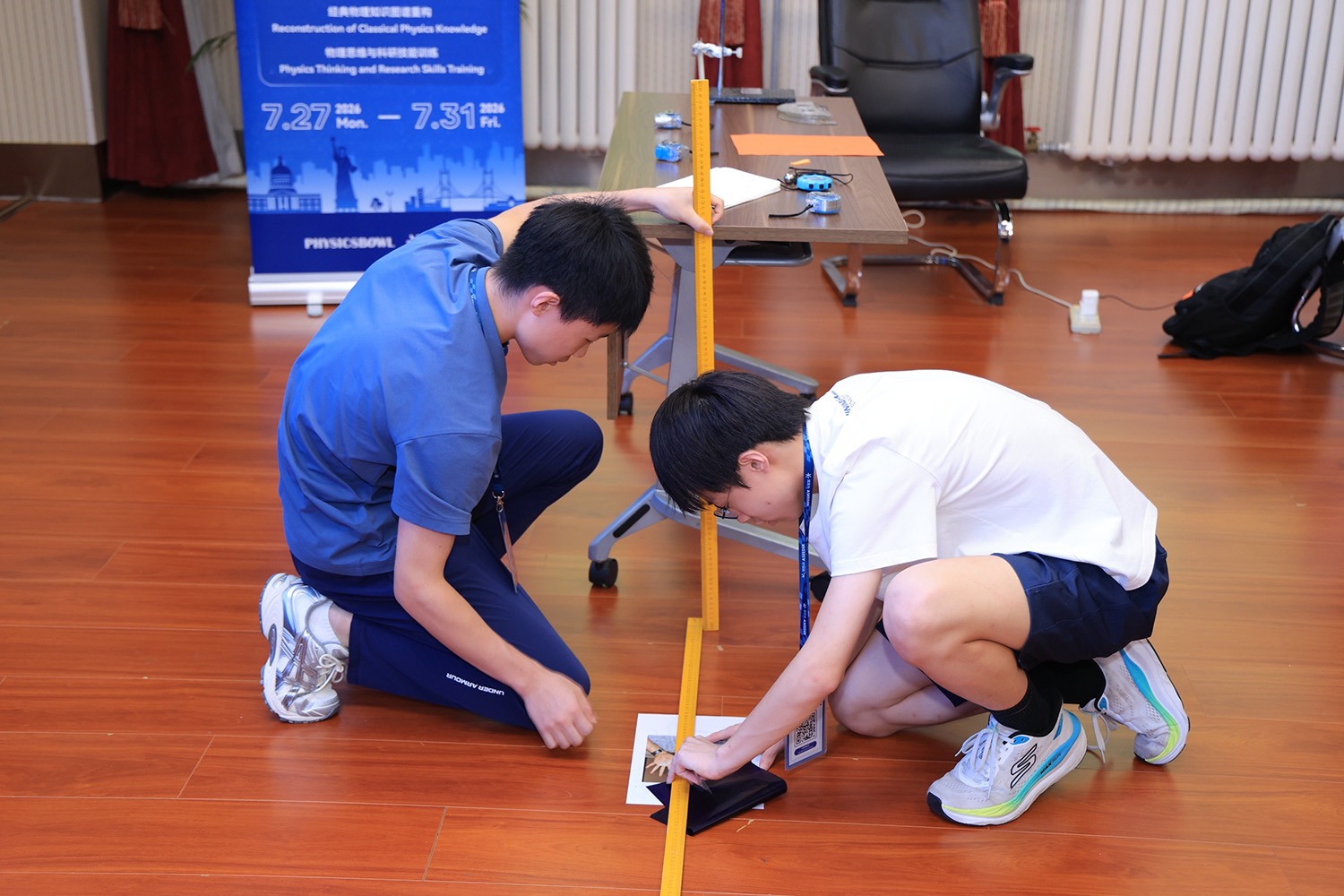
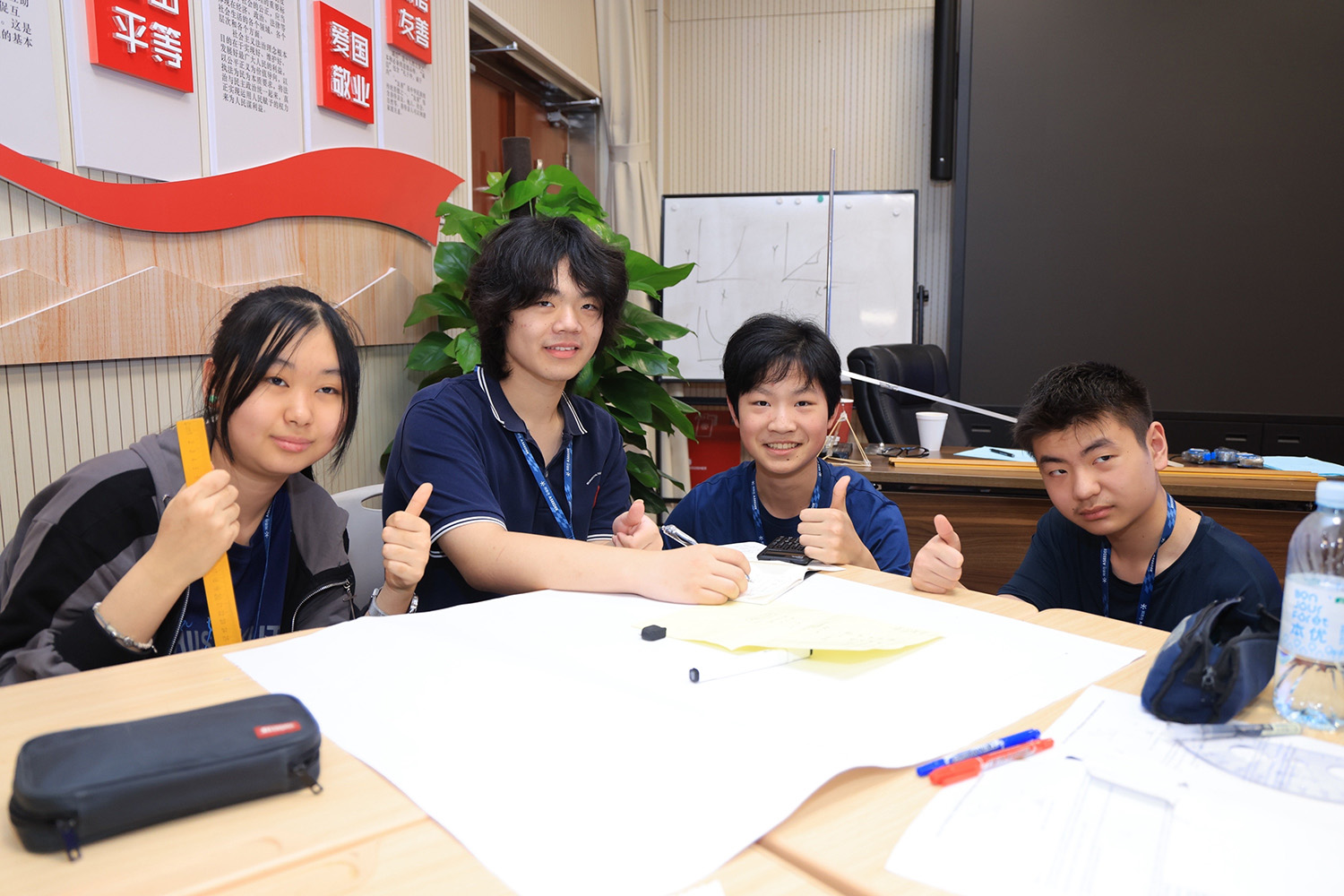
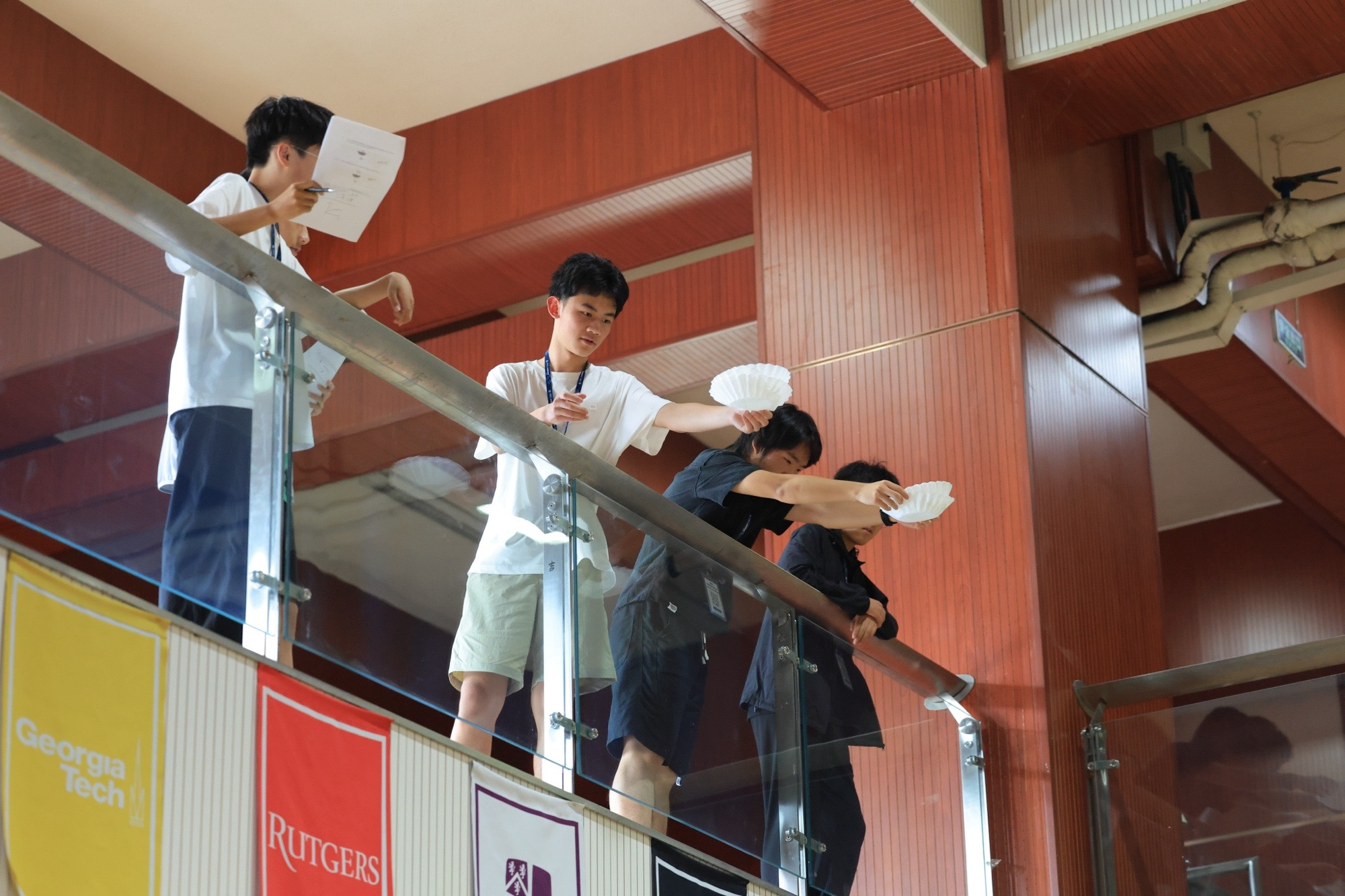
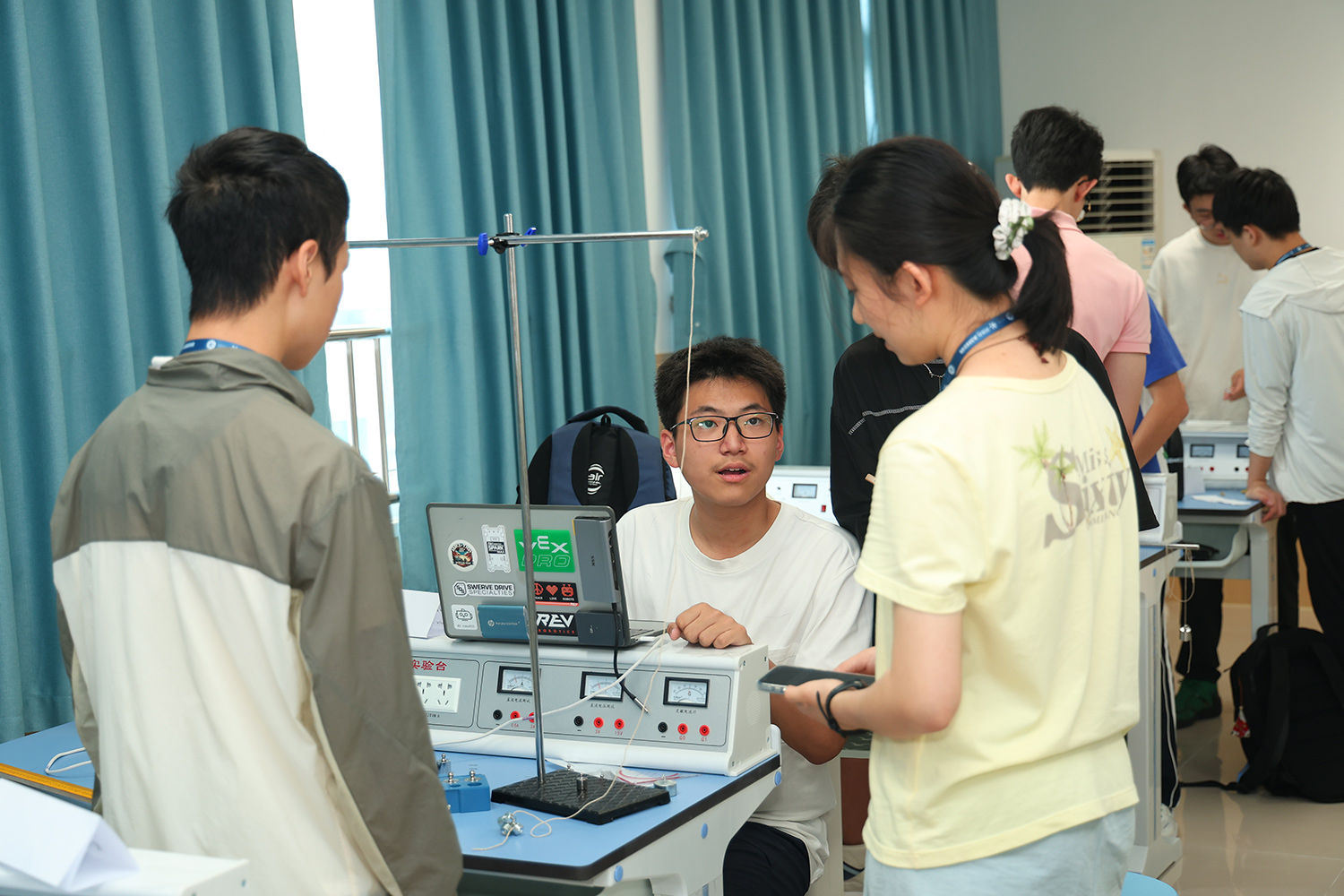
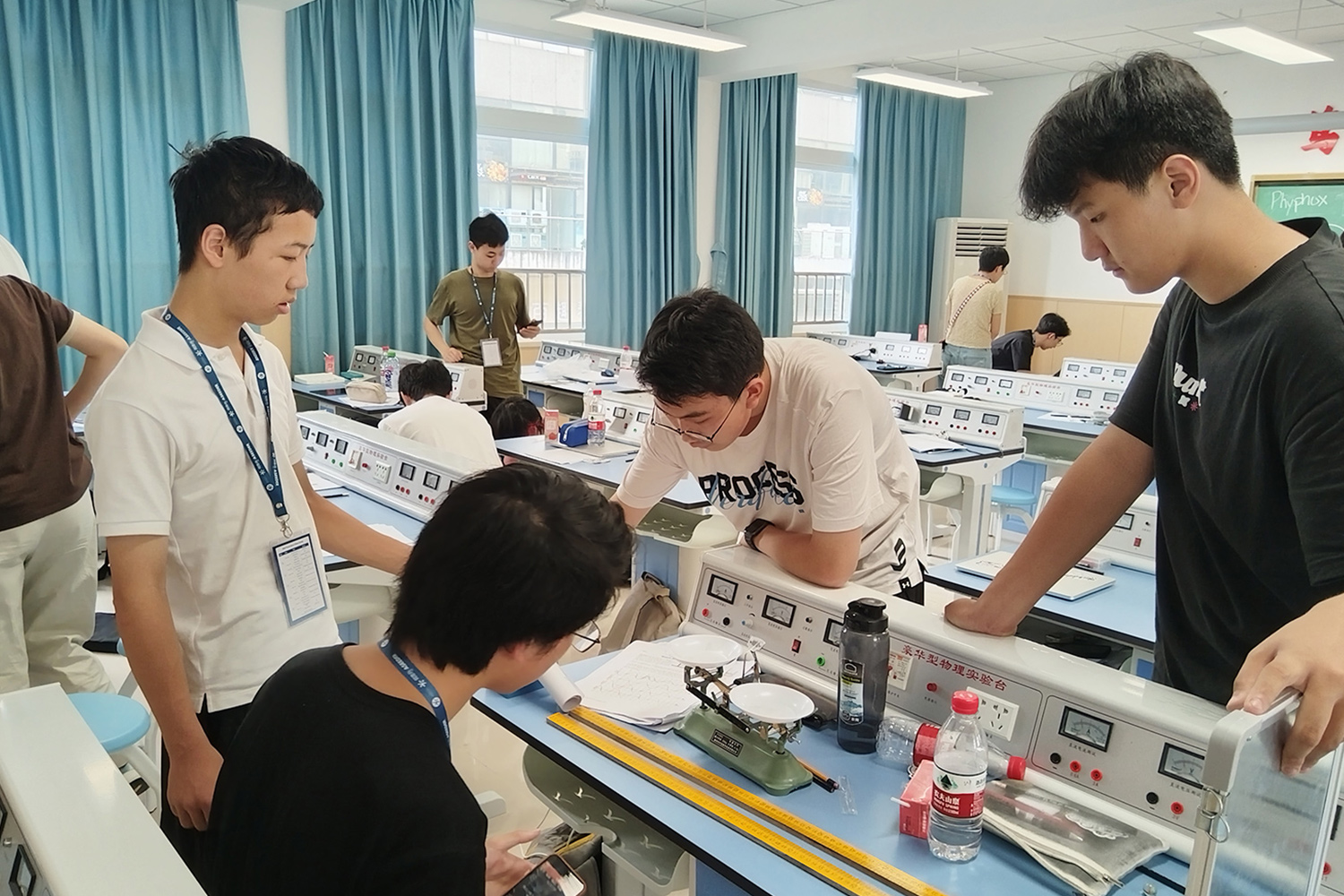
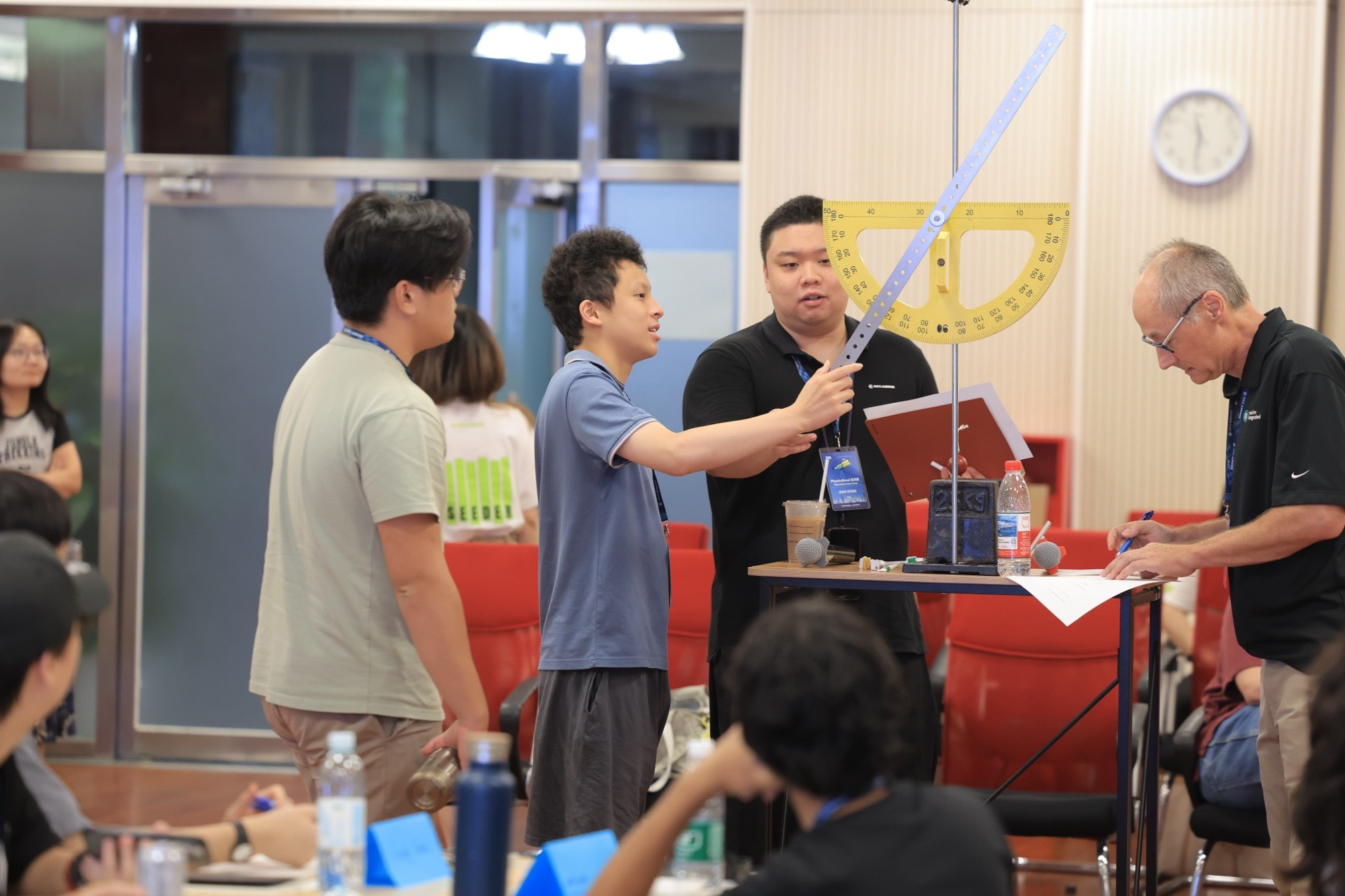
Experimentation is the foundation of physics and the essential path from theory to verification. The Asia Camp curriculum emphasizes the integration of hands-on practice with quantitative analysis, allowing students to experience the complete process of scientific exploration in authentic research contexts — from phenomenon observation and variable control to data collection, error analysis, and model refinement. Each group of experiments is guided by instructors with extensive experience in lab teaching, helping students develop a deeper understanding of physics concepts through handson operation while cultivating rigorous scientific thinking and teamwork skills.
Previous Lab Project Topics

Pendulum Experiment: From Data Collection to Graphical Analysis
Using pendulum motion as the subject of study, students systematically measure the relationships among oscillation period, pendulum length, and amplitude, and transform experimental data into graphical analyses. Through this process, they not only master basic methods of error analysis and data fitting but also understand how to extract regular conclusions from discrete measurements. From Galileo's pioneering studies of pendulum motion to Huygens' invention of the pendulum clock utilizing isochronism, the pendulum experiment runs through the historical development of quantitative mechanics and timekeeping technology.
Uniform Motion and Uniformly Accelerated Motion Experiment
This experiment focuses on the quantitative verification of core kinematics concepts. By measuring the relationship between displacement and time in uniform and uniformly accelerated motion, students master basic skills in data collection, graphing, and error analysis. The intellectual origin of this experiment can be traced back to Galileo's inclined plane experiments, while its mathematical description is closely related to the formalization of kinematics by Descartes and Newton. Through hands-on operation, students will experience how to extract the elegant laws of uniformly accelerated linear motion from seemingly chaotic motion data.
PIVOT Interactives Interactive Simulation Experiments
Using an interactive physics simulation platform, students can set up experimental apparatus in a virtual environment, adjust parameters, and observe the responses of physical systems in real time. Unlike traditional experiments, the simulation platform allows students to repeatedly adjust initial conditions and observe subtle changes in system behavior, similar to how physicists explore system behavior through parameter scanning in theoretical models.
PhET Interactive Simulations
Through the PhET interactive simulation platform developed by the University of Colorado, students can intuitively explore various physical phenomena ranging from mechanics and electricity to thermodynamics and optics. The simulators transform abstract concepts into visual dynamic models, making them particularly suitable for demonstrating idealized experiments that are difficult to perform in traditional laboratories, such as frictionless motion and ideal gas processes.
Mystery Lab
An open-ended experimental session whose specific content is not disclosed in advance. Facing unknown experimental apparatus and phenomena, students must independently observe, formulate hypotheses, design verification plans, and gradually uncover the underlying physical principles with limited hints. The design of this session draws on the exploratory logic of physics research when confronting unknown phenomena — from Rutherford's inference of atomic structure through scattering experiments to contemporary scientists searching for new physics signals in large-scale experimental facilities. This way of thinking in the face of the unknown is a core competency of scientific research.