Qualification

C3L6 / UKChO

Award Winners in C3L6&UKChO by Invitation

Date

Jul. - Aug. 2027 (TBD)

Location

St Catharine's College, Cambridge, UK

Language

EN

Age

16 and Above

Place

35

Program Introduction

The Cambridge Chemistry Camp is officially hosted by St Catharine’s College, University of Cambridge. Invitations are extended to 2026 UK Chemistry Olympiad Gold Award recipients. The camp is led by Prof. Peter Wothers MBE, the Rushton Fellow and Director of Studies in Chemistry at St Catharine’s College, Cambridge, and a Teaching Professor at the Yusuf Hamied Department of Chemistry at Cambridge. Prof. Wothers has been an influential figure in international chemistry education and served as the President of the International Chemistry Olympiad (IChO) from 2000 to 2019. Many students who have attended this Chemistry Camp have gone on to study chemistry and related fields at some of the world’s most prestigious institutions, including Cambridge, Oxford, and Imperial College London.

The St Catharine's College, Cambridge Chemistry Camp will be led by Prof. Peter Wothers MBE. The curriculum is designed on the basis of the core content of Cambridge Chemistry for undergraduate. Participants will experience an intensive week, mainly features theoretical courses focusing on three major fields: Physical Chemistry, Structural Chemistry, and Organic Chemistry. This camp also includes two hands-on projects, Guest Lectures by leading Chemists, Cambridge Chemistry Application Lecture and Mock Interview showcase, and individual final presentations.

This is a rare and invaluable opportunity for students, offering a world-class academic experience and a competitive advantage when applying to top universities in the UK. Beyond the academic program, participants will also be invited to a traditional Cambridge formal dinner and will receive a certificate from St Catharine’s College in recognition of their participation.

Pre-Assessment

Cambridge Chemistry Challenge (C3L6):Dec. 5, 2026 (Sat.) 14:00-15:30, Grades 9-11

Pre-Assessment

UK Chemistry Olympiad (UKChO):Jan. 29, 2027 (Fri.) 17:00-19:00, Grades 10-12

Academic Highlights

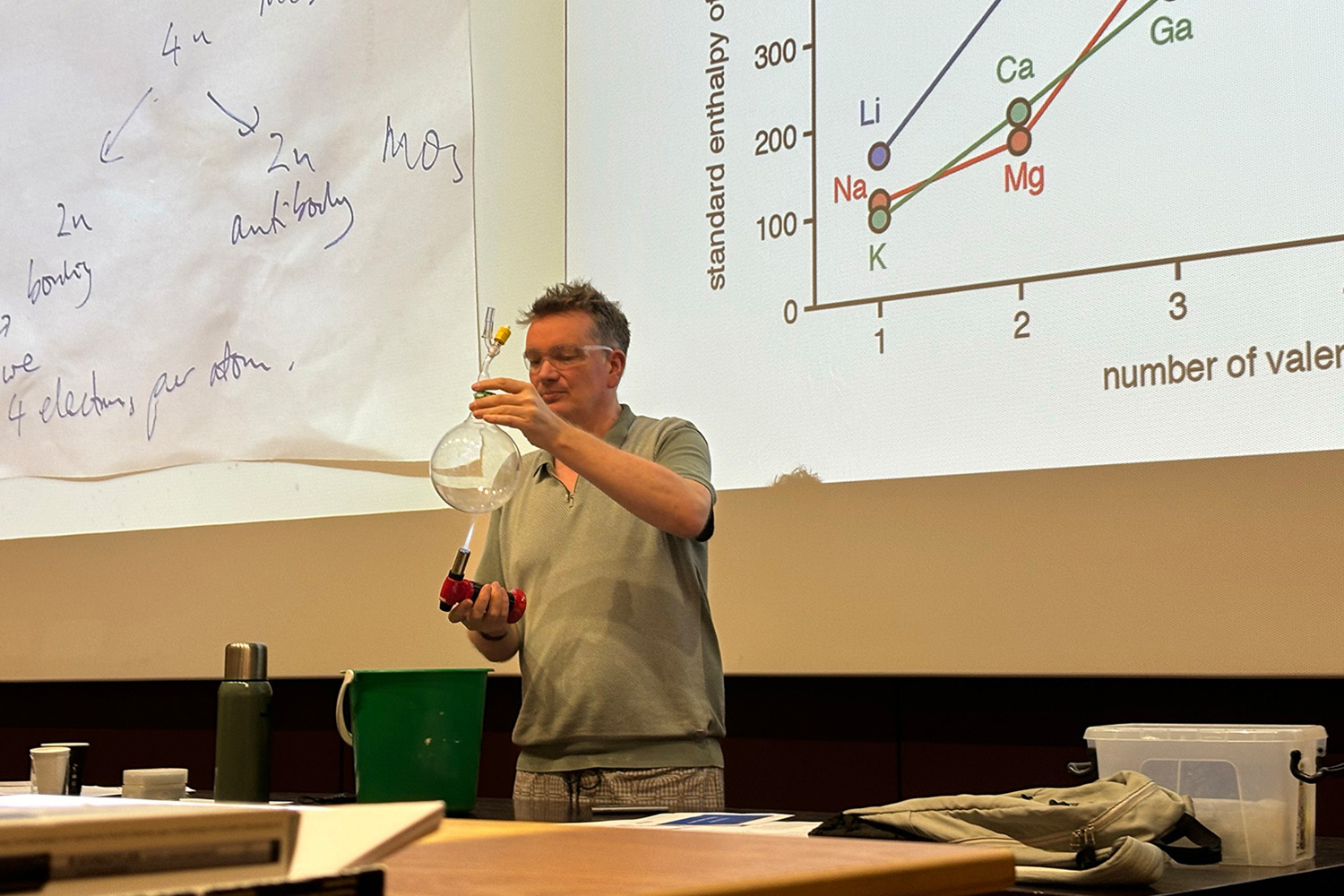
Under the direction of Prof. Peter Wothers MBE, Professor of Chemistry at the University of Cambridge

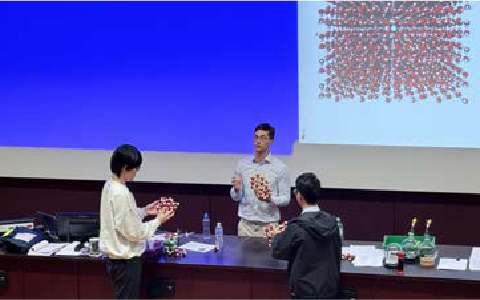
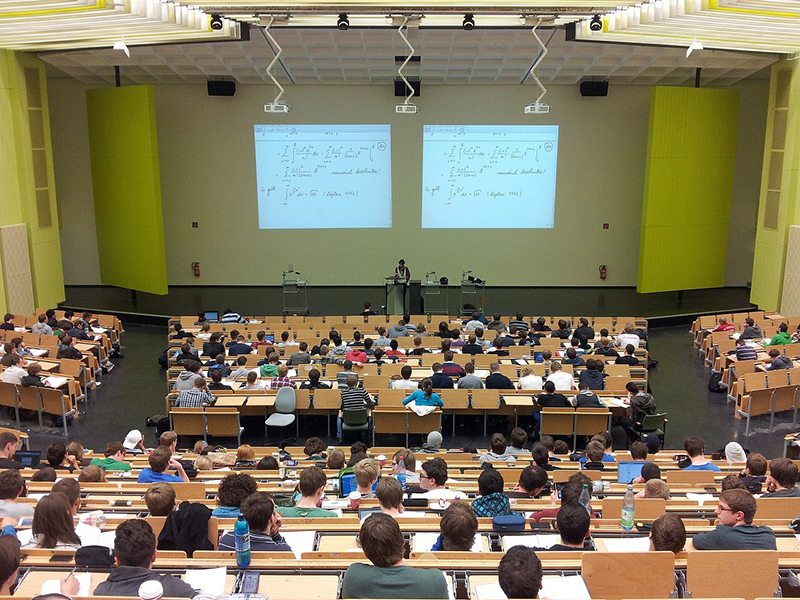
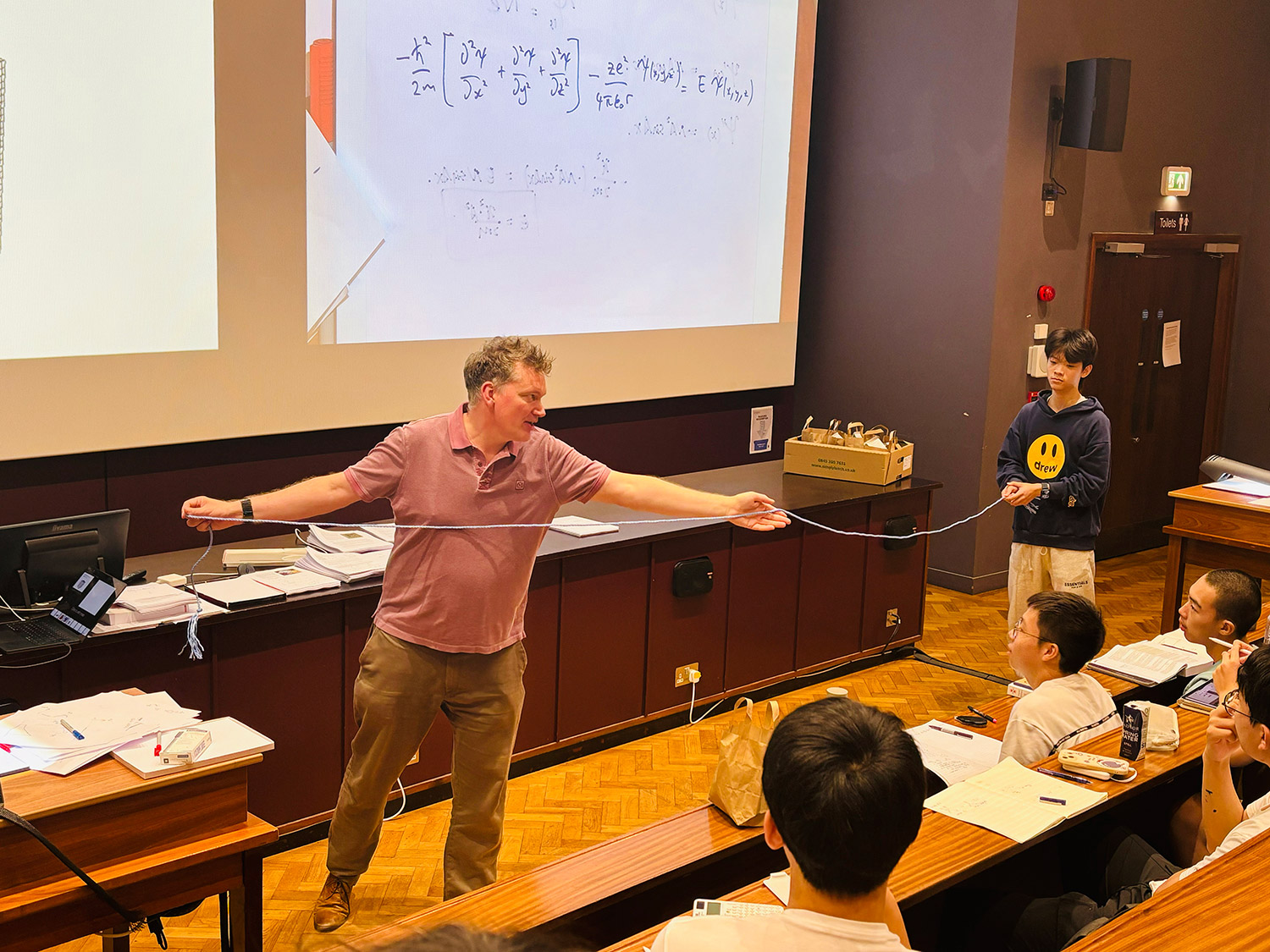
The camp will guide students into challenging undergraduate-level chemistry, delving into cutting-edge research directions within the discipline. Professor Peter Wothers MBE will deliver over 50% of the core curriculum. Under his guidance, participants will gain direct access to the core principles of Cambridge chemistr

Guest Lecture Speakers Provide Insights into Different Areas of Chemical Research

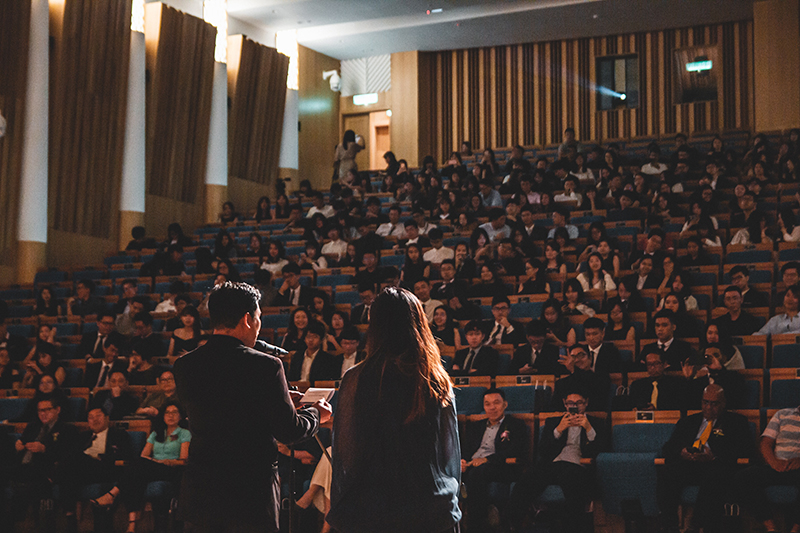
In addition to the head coach providing comprehensive guidance throughout the programme, we have invited several leading chemists and research scholars from the University of Cambridge and other top institutions to serve as visiting professors. They will present cutting-edge research topics and academic insights across diverse fields.
* For detailed profiles of visiting professors, please refer to the Visiting Professors section above

5x7 Hours: Dive Deep into Cambridge's Advanced Chemistry Curriculum

In a total of 35 hours of intensive instruction, participants will experience the Cambridge teaching style centred on 'problem-driven’ and 'evidence-based reasoning’ under the guidance of Cambridge professors.

The Cambridge teaching model, integrating theory with practice

The University of Cambridge's chemistry curriculum design is renowned for its seamless integration of theory and practice, placing strong emphasis on cultivating students' research capabilities and innovative thinking. Throughout the programme, participants will personally engage in this rigorous academic training process.

Step into the laboratories of the University of Cambridge

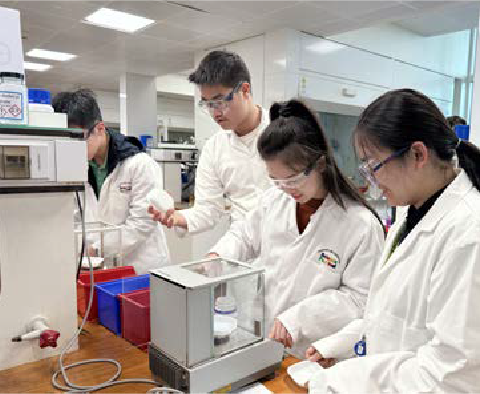
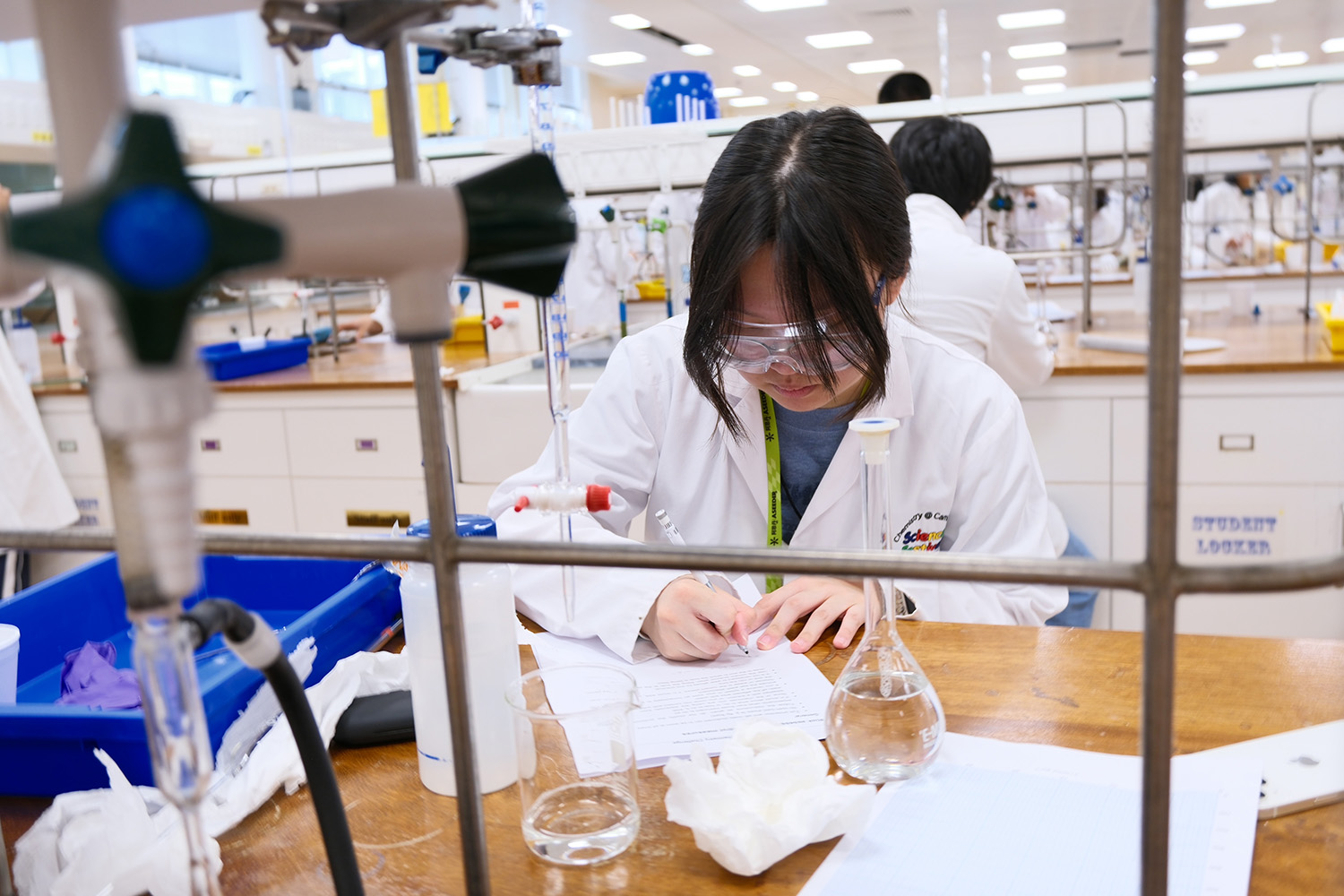
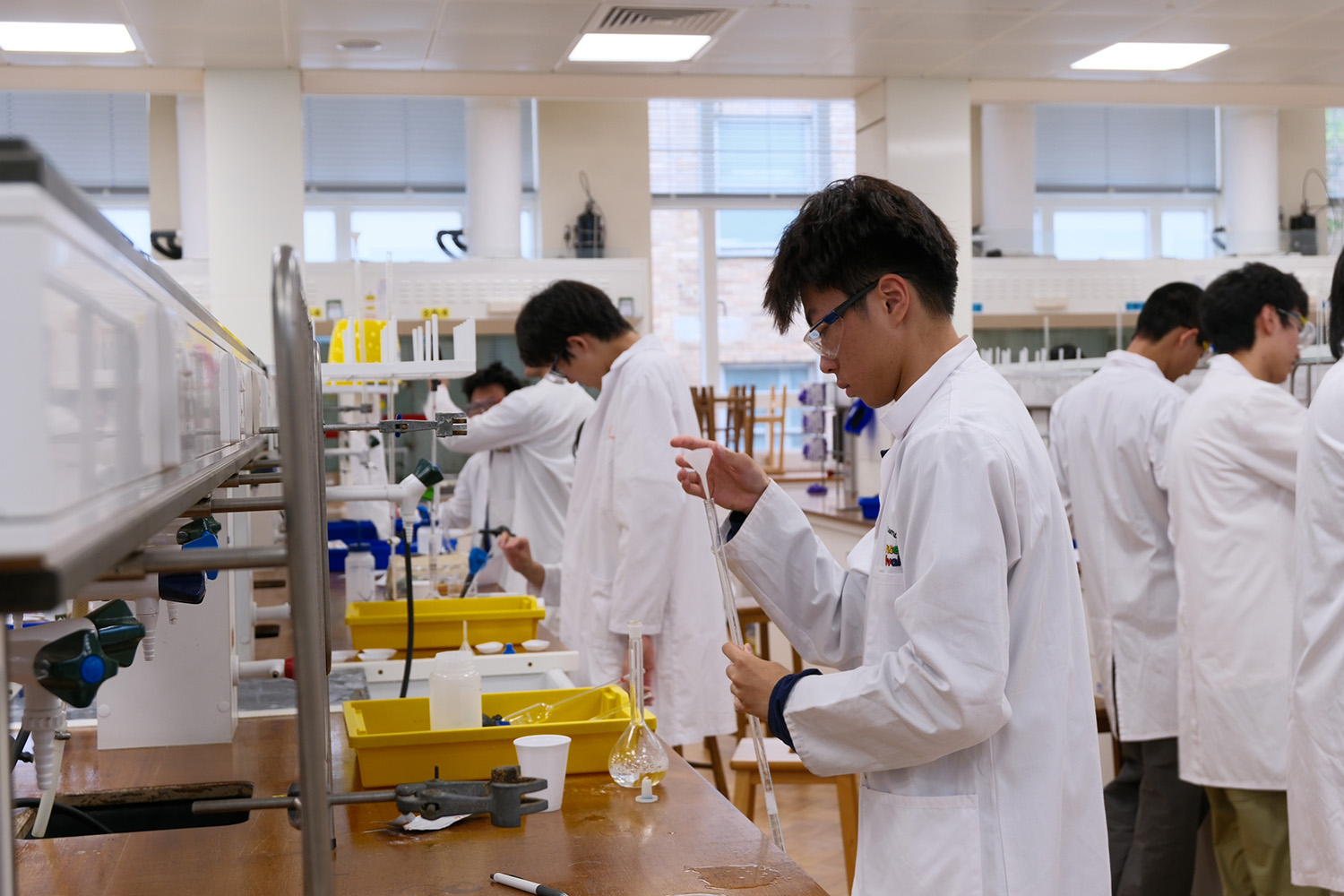
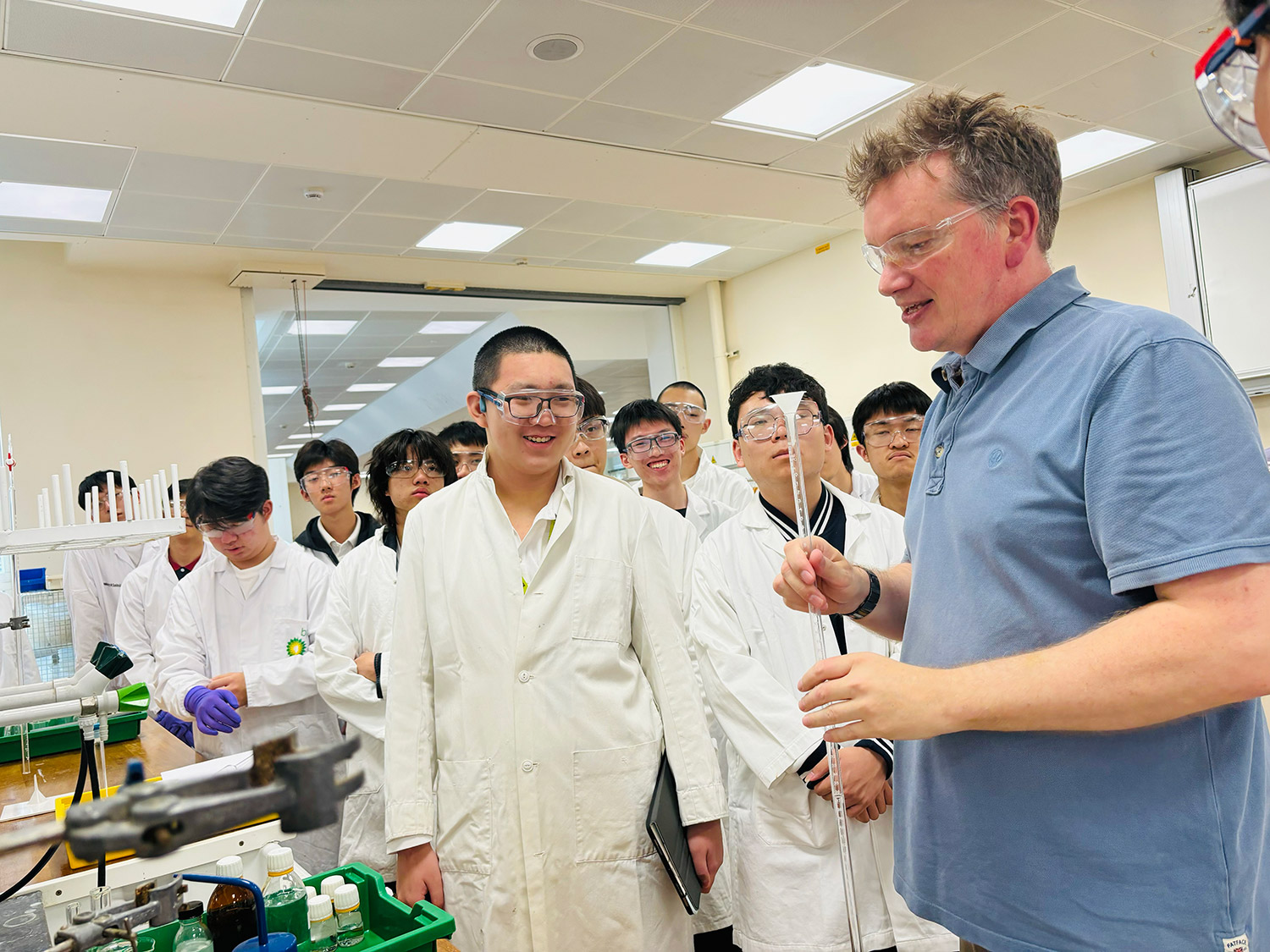
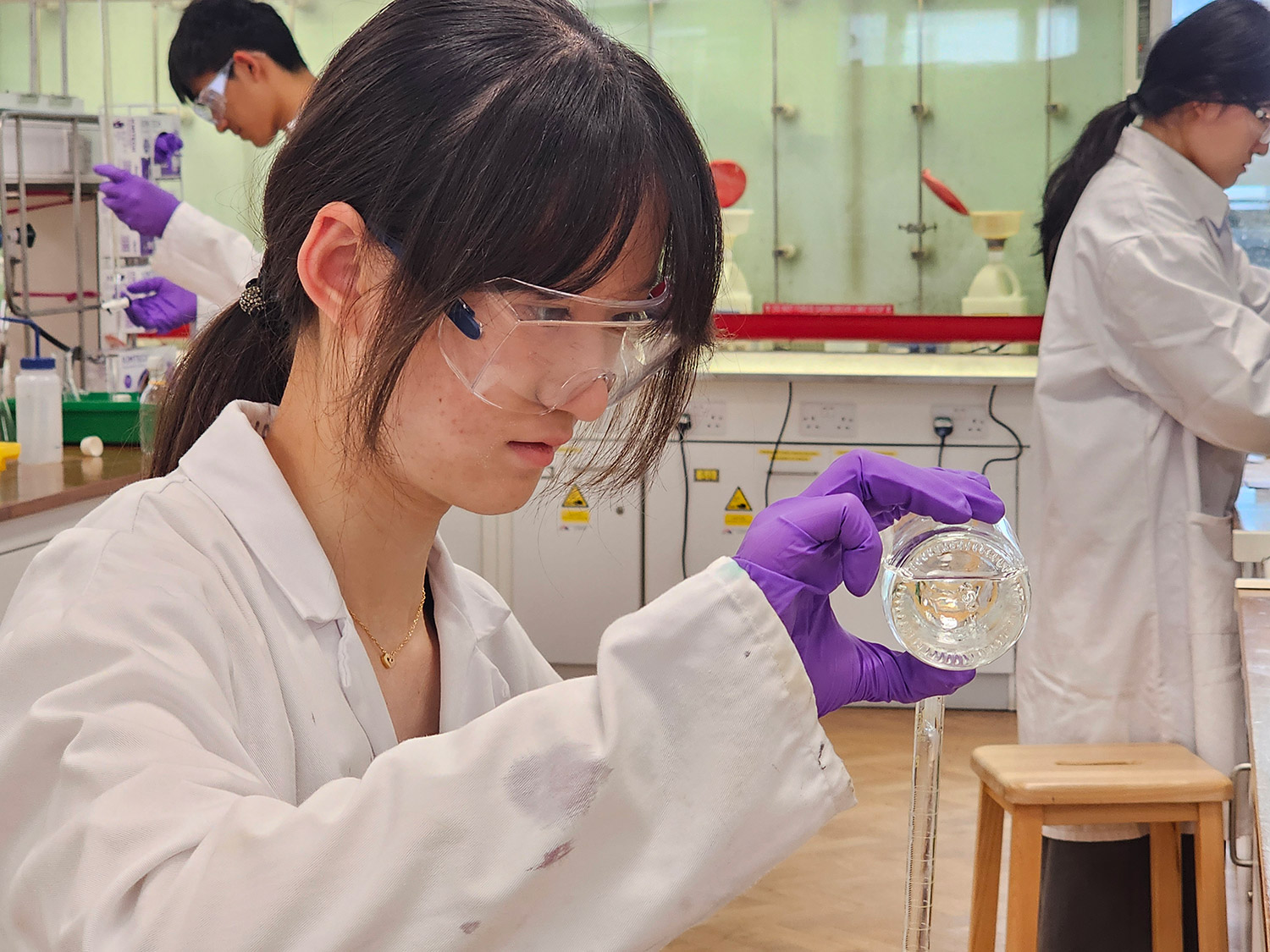
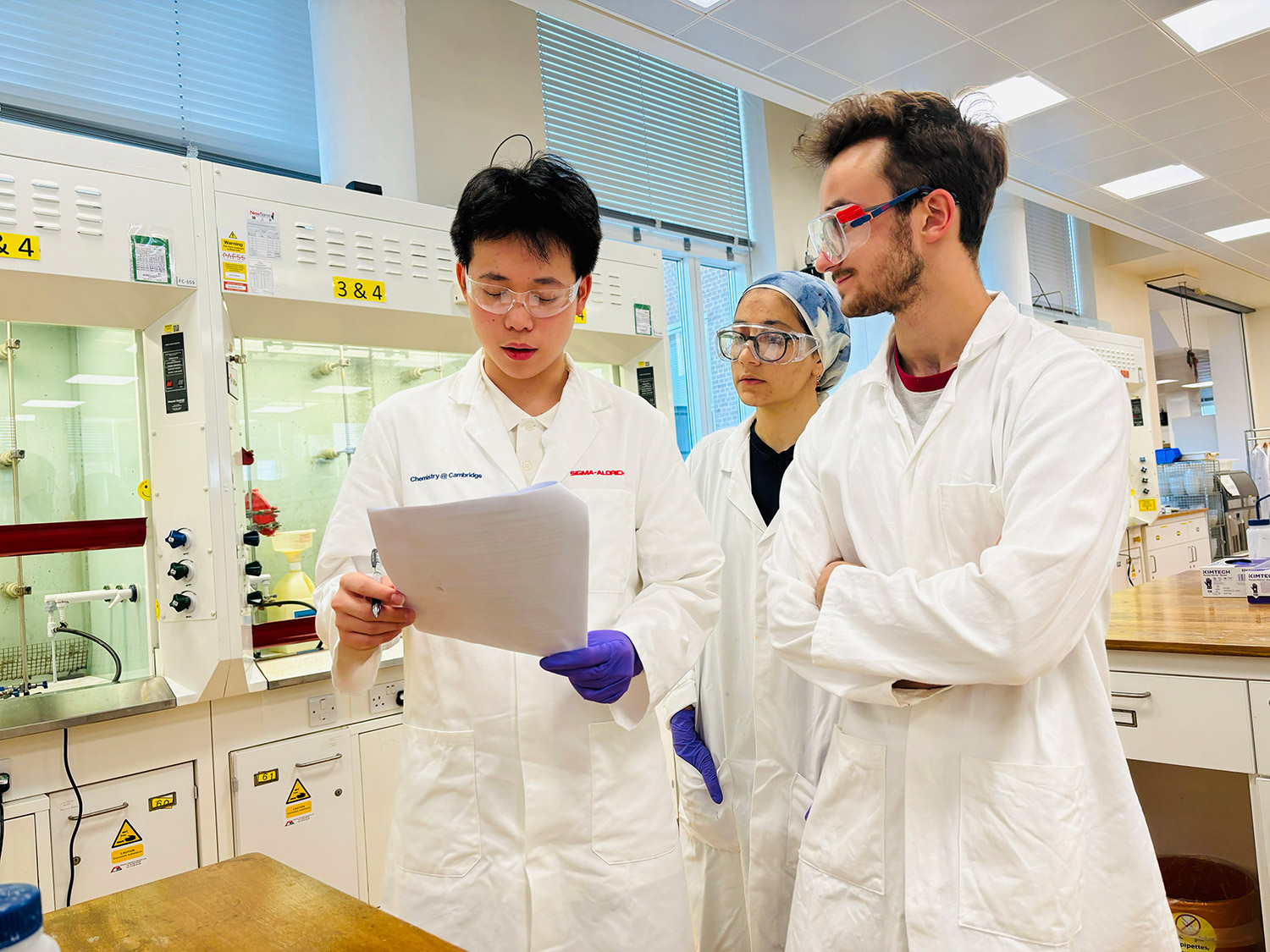
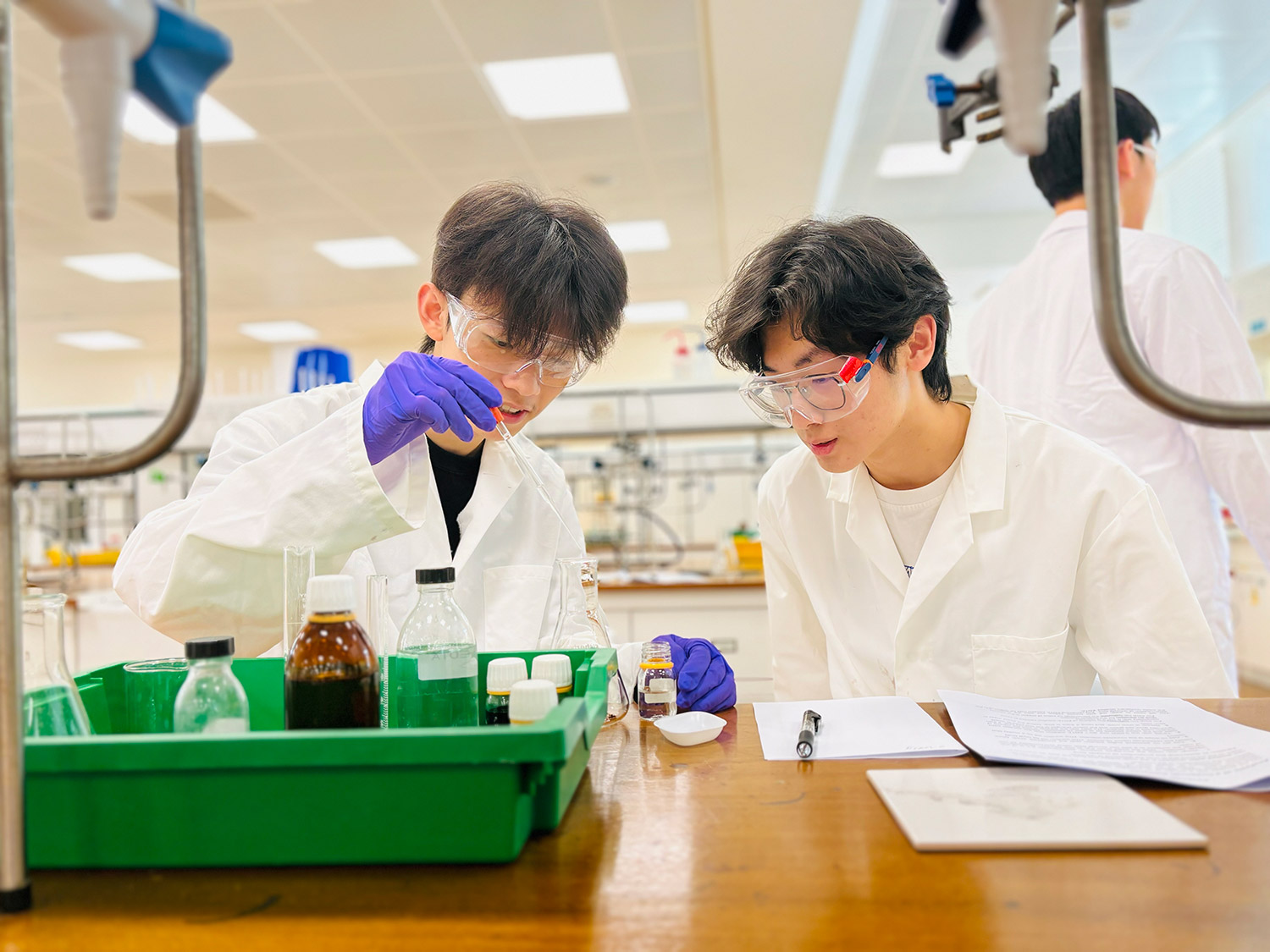
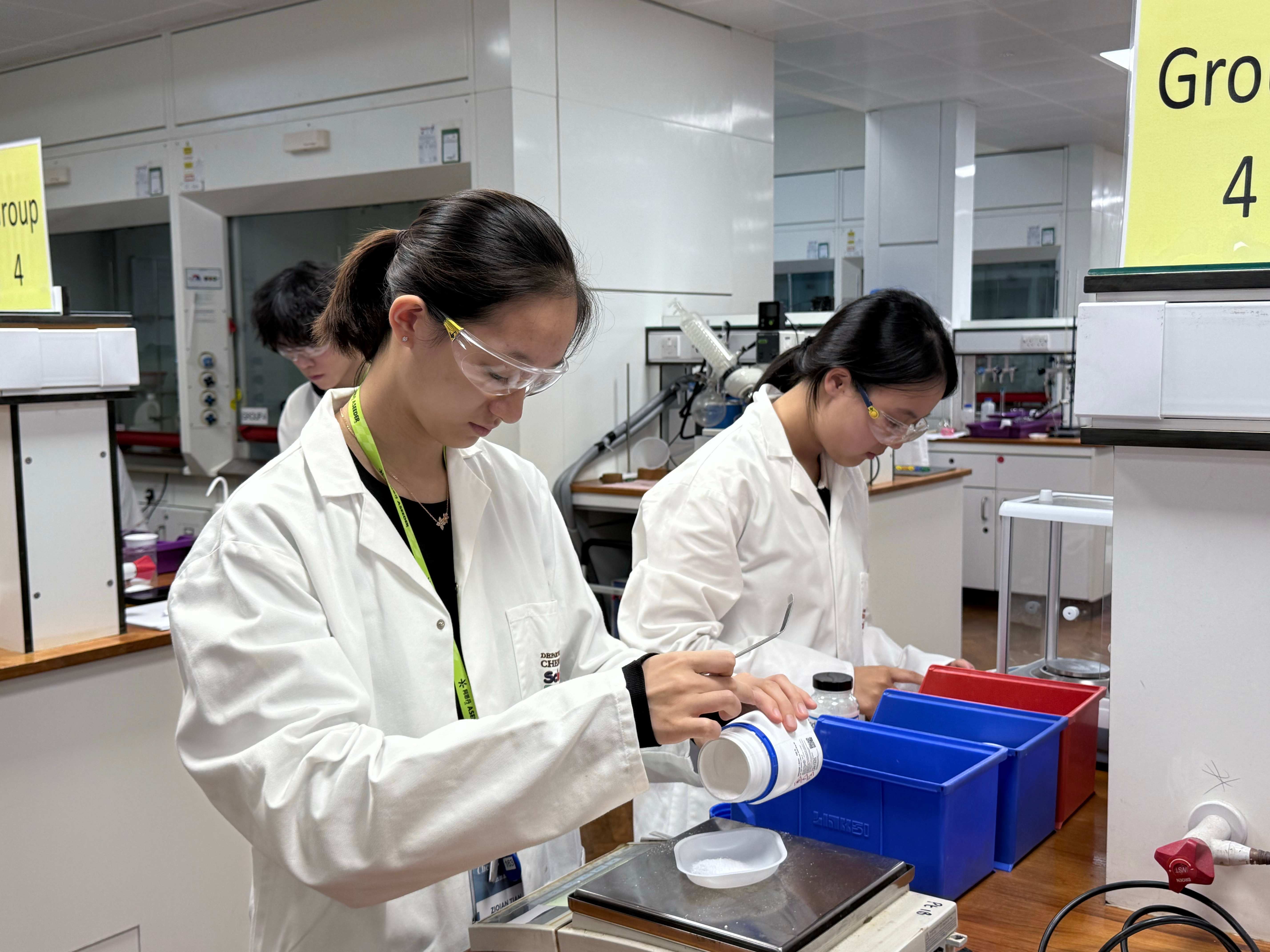
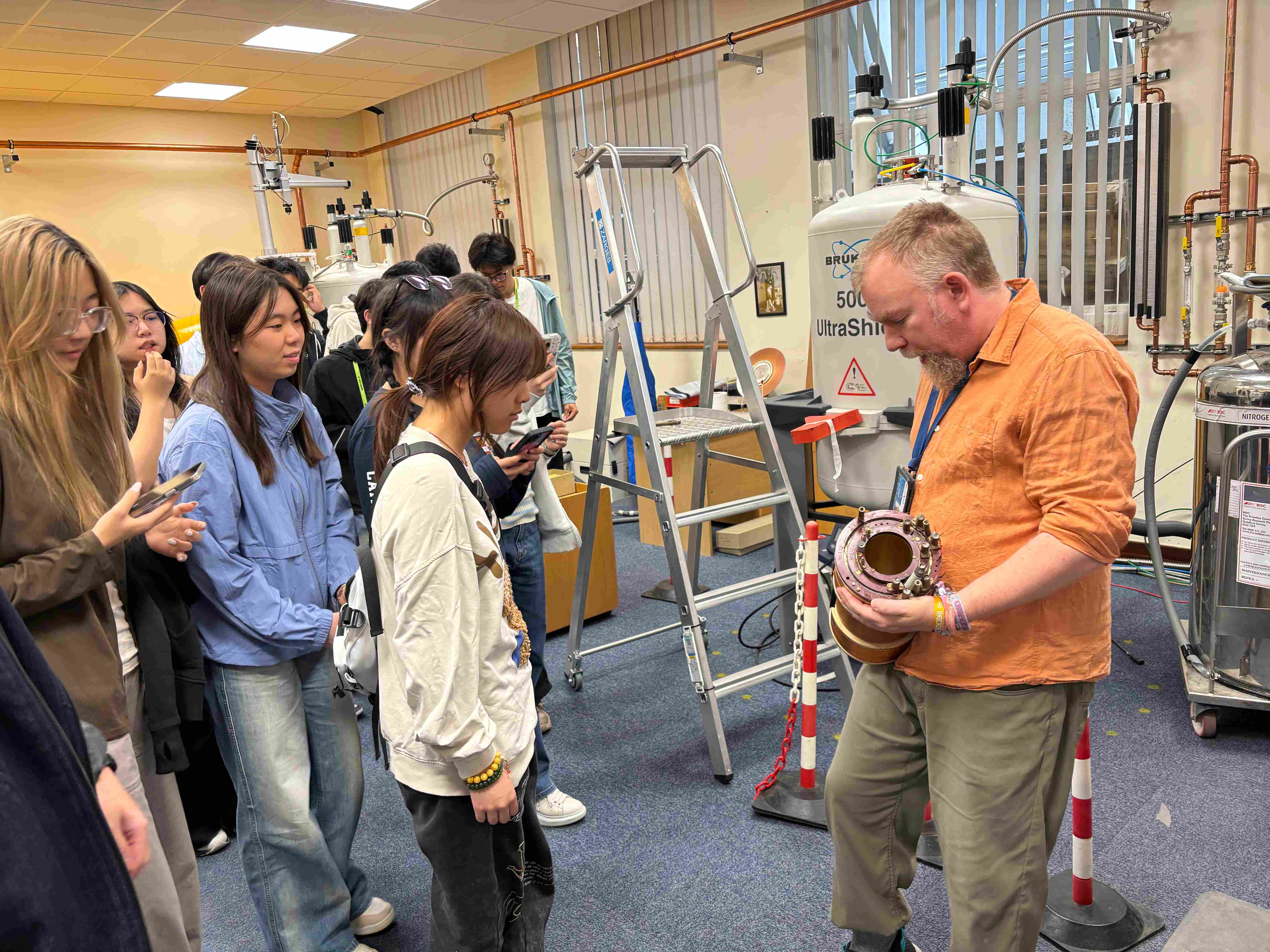
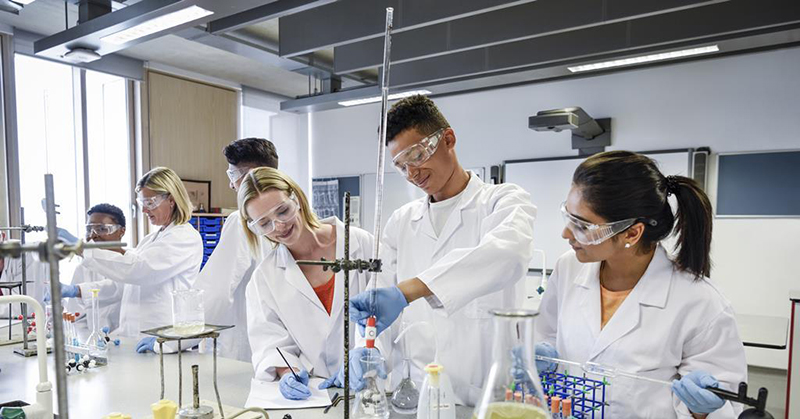
Students will undertake practical experiments in the Cambridge Chemistry Laboratory under the supervision of their tutors. For instance, the critical micelle concentration determination experiment fully replicates and tackles an authentic International Chemistry Olympiad (IChO) experimental question.

Individual Research Opportunity

Each participant will be honoured to be invited to deliver a chemistry-themed lecture. The topic for this lecture will be determined by the professorial team at the commencement of the programme.

Cambridge Chemistry Application Session and Mock Interview Showcase

Students will have the opportunity to gain an in-depth understanding of the application process for the Chemistry programme at the University of Cambridge, along with interview techniques.

Official Certificate from St Catharine’s College, Cambridge

Earn a prestigious certificate that recognizes your achievements in exploring advanced Chemistry concepts.

Immersive Cambridge Experience

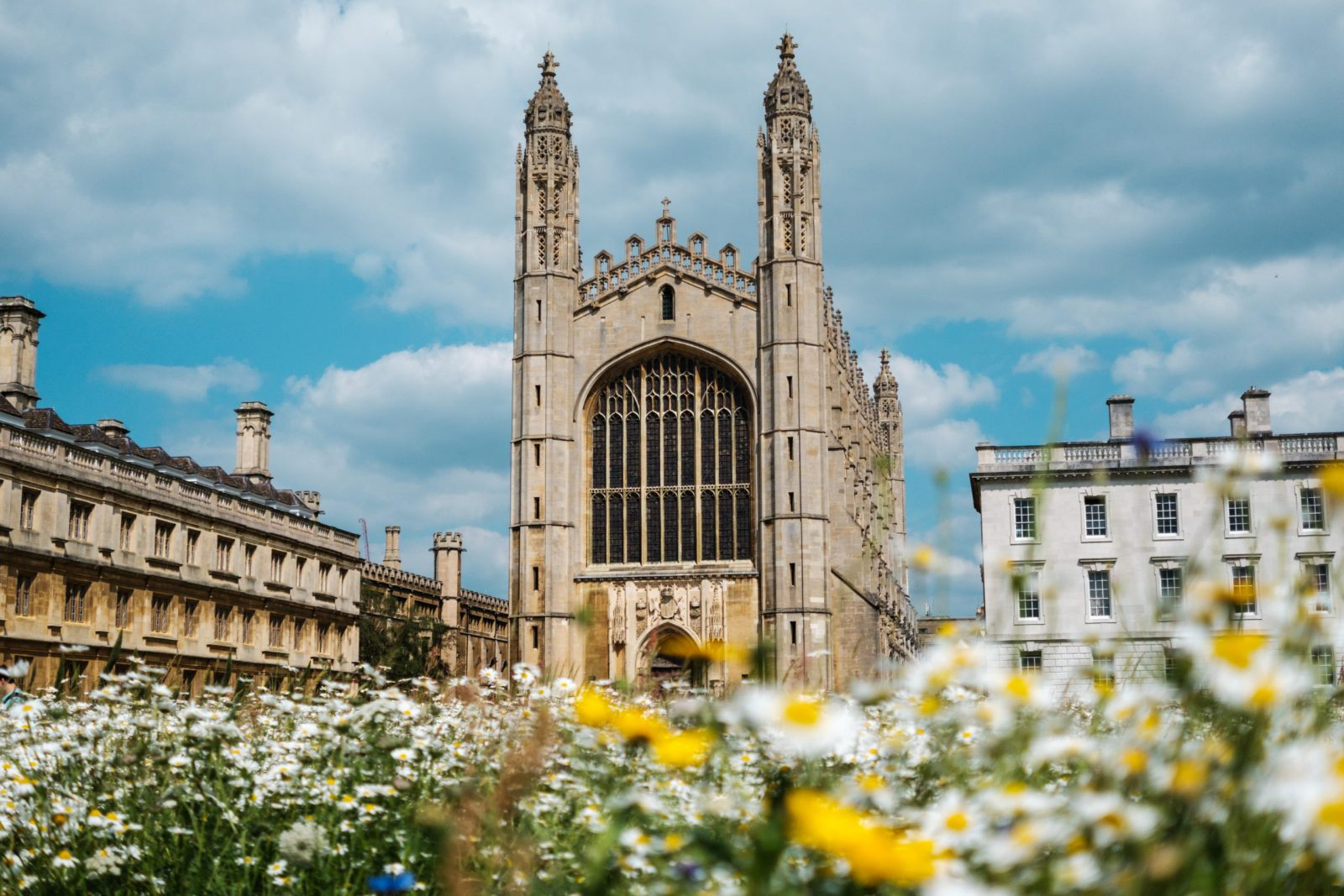
Stay at St Catharine’s College, attend a traditional formal Cambridge dinner, and fully immerse yourself in the one of the world’s most prestigious universities.

Introduction to Excellent Program Supervisor

* The guests are professors invited to previous camp sessions. Specific experts are invited by St Catharine's College, University of Cambridge, based on academic arrangements.

Head Coach


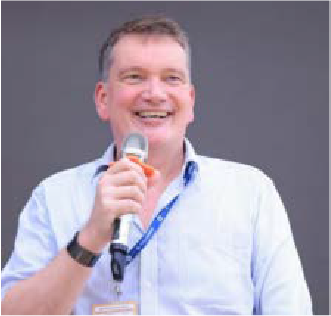
Professor Peter Wothers MBE

  • Recipient of the Member of the Order of the British Empire (MBE) honor
  • Chairman of Cambridge Chemistry Challenge (C3L6)
  • Former Chairman of IChO (10 years)
  • Teaching Professor at Yusuf Hamied Department of Chemistry in Cambridge & Cambridge Interviewer
  • Rushton Fellow and Director of Studies in Chemistry at St Catharine’s College

More >
Professor Peter Wothers MBE


Professor Peter Wothers MBE

  • Recipient of the Member of the Order of the British Empire (MBE) honor
  • Chairman of Cambridge Chemistry Challenge (C3L6)
  • Former Chairman of IChO (10 years)
  • Teaching Professor at Yusuf Hamied Department of Chemistry in Cambridge & Cambridge Interviewer
  • Rushton Fellow and Director of Studies in Chemistry at St Catharine’s College


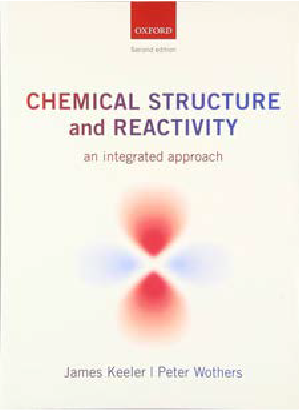
Professor Peter Wothers is a teaching professor in the Department of Chemistry. He has been committed to promoting the development of Chemistry education and co-authored a number of popular undergraduate textbooks including Why Chemical Reactions Happen, Chemical Structure and Reactivity and Organic Chemistry.

Peter gave the Royal Institution Christmas Lectures on the BBC in 2012. Peter is heavily involved in both the National and International Chemistry Olympiad competitions, and also initiated the successful Cambridge Chemistry Challenge, supported by the College. Peter is Director of Studies in Chemistry for St Catharine's, and supervises many of our Chemistry students. In 2014 he was awarded an MBE for services to Chemistr


Key Publications:
Chemical Structure and Reactivity: helping students understand organic reactions, thermodynamics, kinetics, and inorganic chemistry with vivid illustrations
Organic Chemistry: textbook for undergraduate organic chemistry courses, comprehensively covering the core knowledge of organic chemistr
Why Chemical Reactions Happen: Explains the reasons behind chemical reactions
Chemical Structure and Reactivity: An Integrated Approach: Focus on knowledge of chemical structure and reactivity, providing a comprehensive perspective on learning chemistr

Past Visiting Professors


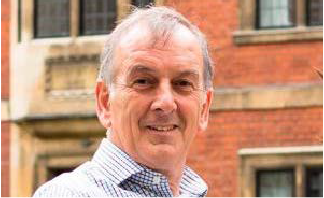
Prof. John Pyle FRS

  • Professor of Chemistry, Cambridge
  • Fellow of the Royal Society (FRS)
MORE >
Prof. John Pyle FRS 介绍

Prof. John Pyle FRS

  • Professor of Chemistry, Cambridge
  • Fellow of the Royal Society (FRS)

Research Area - Atmospheric Chemistry
Professor John Pyle FRS is an expert in atmospheric chemistry and climate science, having devoted his career to research on stratospheric-tropospheric chemistry, ozone layer changes, and their interactions with the climate system. His findings have profoundly influenced the formulation of international environmental policy.

Lecture Topic - Atmospheric Chemistry
This lecture systematically elucidates the key chemical processes occurring in the atmosphere, analysing the scientific rationale and achievements of the Montreal Protocol through empirical data and policy case studies.
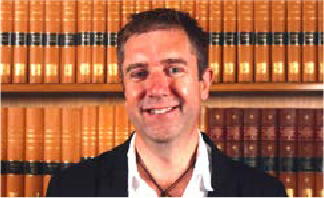
Prof. Chris Hunter FRS

  • Professor of Chemistry, Cambridge
  • Fellow of the Royal Society (FRS)
MORE >
Prof. John Pyle FRS 介绍

Prof. John Pyle FRS

  • Professor of Chemistry, Cambridge
  • Fellow of the Royal Society (FRS)

Research Area - Supramolecular Chemistry
Professor Chris Hunter FRS is an expert in the field of supramolecular chemistry. He has developed energy decomposition and prediction models for molecular interactions, providing a computable theoretical framework for fields such as drug design and materials chemistry.

Lecture Topic - Supramolecular Chemistry
The lecture explored DNA structure and function through a supramolecular chemistry lens, detailing the chemical conditions for double-strand formation (such as base pairing and hydrogen bonding) and examining solvent effects on DNA stability
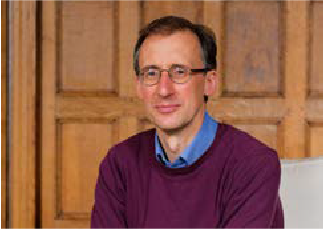
Prof. Jonathan Goodman

  • Professor of Chemistry, Cambridge
MORE >
Prof. Jonathan Goodman 介绍

Prof. Jonathan Goodman

  • Professor of Chemistry, Cambridge

Research Area - Data-Driven Chemistry
Professor Jonathan Goodman is a distinguished theoretical and computational organic chemist. His longstanding research into computational prediction of organic reaction mechanisms, stereoselectivity, and molecular reaction pathways has significantly enhanced the predictability and synthetic efficiency of complex chemical reactions.

Lecture Topic - Data Driven Chemistry
The lecture commences with molecular nanoengineering and double-stranded structure research, emphasising how data science, machine learning, and high-throughput technologies converge with traditional chemistry.
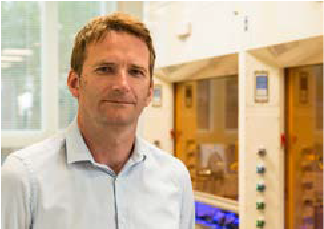
Prof. Matthew Gaunt

  • Professor of Chemistry, Cambridge
MORE >
Prof. Matthew Gaunt 介绍

Prof. Matthew Gaunt

  • Professor of Chemistry, Cambridge

Research Area - Future Prospects for Synthetic Organic Chemistry
Professor Matthew Gaunt is a world-leading figure in the field of organic synthetic methodology. His research has significantly expanded the chemical frontiers for the efficient construction of complex molecules and has been honoured with numerous prestigious international chemistry awards.

Lecture Topic - A Vision for the Future of Synthetic Organic Chemistry
This lecture focuses on future development pathways in synthetic organic chemistry, systematically introducing strategies to enhance synthetic efficiency through controlling carbon atom reactivity, photocatalytic synergies, and high-throughput experimental techniques.
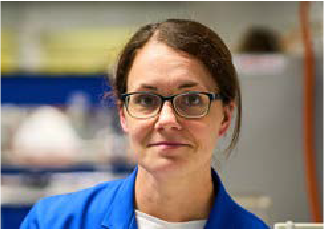
Dr. Ruth L. Webster

  • Assistant Professor of Chemistry, Cambridge
MORE >
Dr. Ruth L. Webster 介绍

Dr. Ruth L. Webster

  • Assistant Professor of Chemistry, Cambridge


Dr Ruth L. Webster is an outstanding young scholar in the field of organic catalysis and sustainable chemistry, having received significant awards from the Royal Society of Chemistry (RSC). Her research focuses on transition metal catalysis, organic synthetic methodology and green reaction design, yielding numerous outcomes of practical application.

Lecture Topic - Phosphorus Chemistry and Catalysis
The lecture systematically explores the fundamental chemical properties of trivalent and pentavalent phosphorus, with particular emphasis on the precise regulation of reaction activity and selectivity through phosphorus-containing ligands acting as 'smart ligands’ in organometallic catalysis.
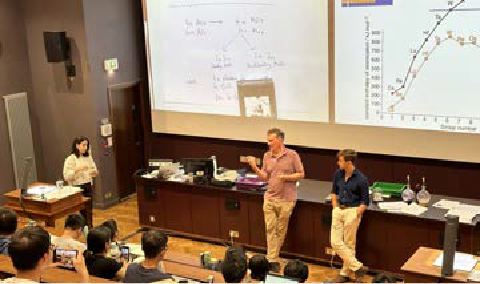
Key Academic Modules

Module 1: Curriculum Inspired by Cambridge Undergraduate Chemistry
The Cambridge Chemistry Camp's comprehensive curriculum is structured around the Cambridge undergraduate chemistry syllabus, featuring a rigorous programme design. Throughout the course, students will conduct research projects on topics such as unique molecular structures, culminating in a meticulously prepared final presentation. This aims to establish a solid theoretical foundation in chemistry while developing the ability to tackle complex chemical problems. The camp curriculum follows a logical progression from foundational to advanced topics, commencing with "Physical Chemistry" and "Structural Chemistry". Upon mastering these core principles, students advance to the "Organic Chemistry" module. Throughout the course, students will conduct chemical research on topics such as unique molecular structures and deliver a well-prepared presentation of their findings at the end of the program.

Physical Chemistry

  • Wave Function
  • Energy Quantization
  • Schrodinger Equation
  • ......
     

Structural Chemistr

  • Atomic Orbitals Introduction
  • Electron Configuration
  • Elements and Symmetry
  • Nuclear Magnetic Resonance
  • ......

The Introduction of Organic Chemistry

  • Detailed Explanation of Common Funtional Groups and Indentification
  • Detailed Explantion of Common Organic Chemical Rections and their trends
  • ......
     
     
Module 2: Hands-on Experiment in Cambridge's Chemistry Labs
During the camp, students are not only required to study theories but also have the opportunity to visit Cambridge high-end chemistry laboratories, conduct experiments under the guidance of mentors. Cambridge Education, which equally values both theory and practice, lays a solid foundation for the students' future development in the field of chemistry.

Module 3: Guest Lectures by Leading Chemists
Several Cambridge professors twill be invited to deliver lectures, helping students to stay abreast of the latest Chemistry developments. Additionally, the professors will share their research experiences and insights, along with advice on academic career planning, to assist students in exploring a wider range of possibilities within the realm of chemistry.
Module 4: Cambridge Chemistry Application Session & Mock Interview Showcase
Professor Wothers, one of the senior interviewers for the chemistry major at the University of Cambridge, will share insights into the Cambridge application and interview experience with students. Furthermore, Professor Wothers will do a mock interview with a student, demonstrating the real interview scenarios. This event is not only a valuable learning opportunity but also an excellent window to understand the selection criteria and style of one of the world's top universities.

Previous Lab Projects

* Below are introductions of past lab projects. Specific practical lab courses are subject to adjustment based on actual circumstances.

Cambridge Lab Tour

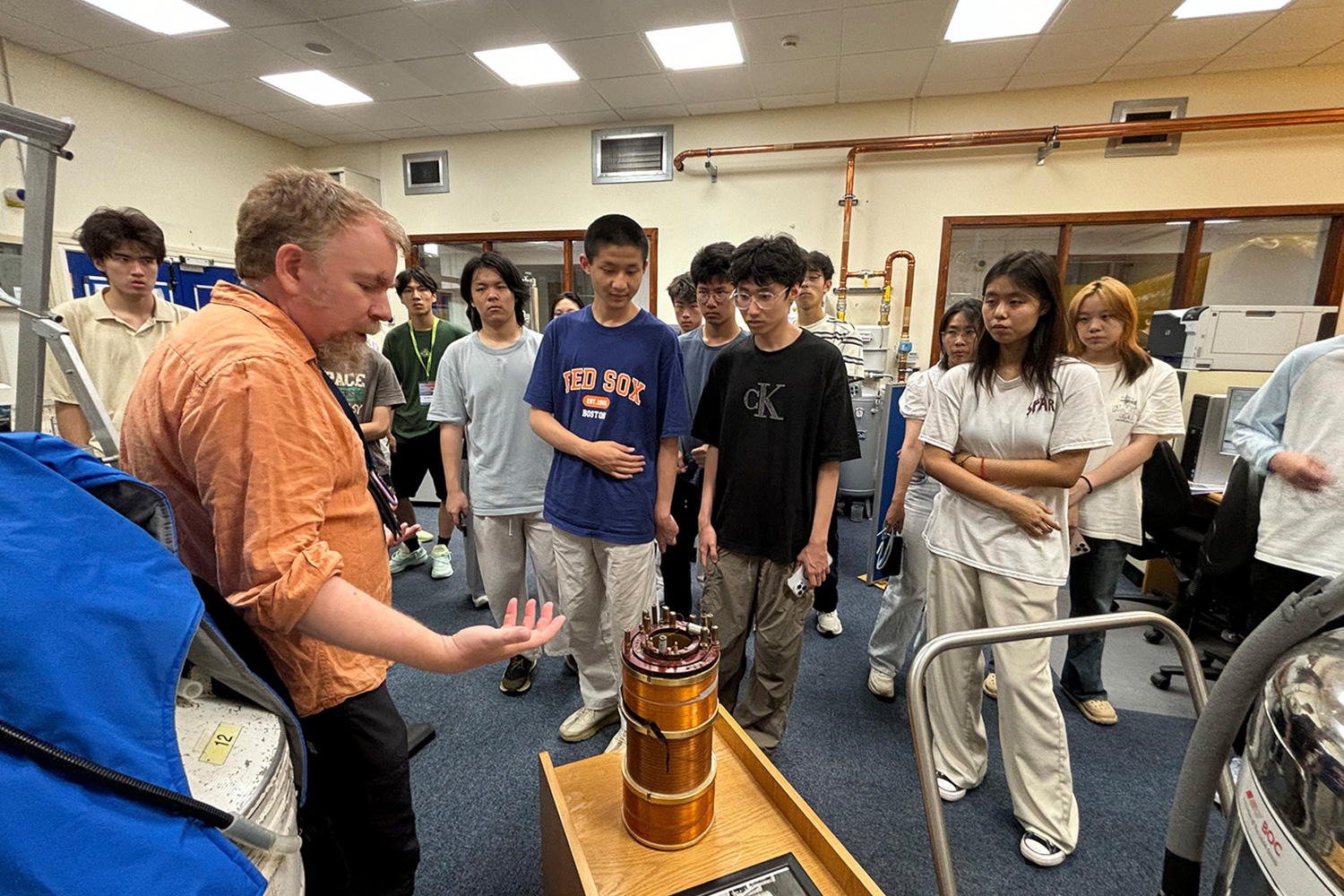
Explore the NMR laboratory, micro analysis laboratory, and others. Throughout the tour, mentors will provide detailed explanations of the fundamental principles behind various experimental instruments and demonstrate operation.

Analysis of Copper (II) Complexes

IChO past experiment problem; Measuring the Ratio of Copper Ions to Ligands by Titration, and then analyzing the Composition of the Compound.

Hydrogen Atom Spectrum Measurement Experiment

By measuring the wavelengths of the visible spectral lines of the Balmer series, the Rydberg constant for the hydrogen atom is measured, and its ionization energy is calculated.

Synthesis of Surfactants and Measurement of CMC

IChO past experiment problem; Preparing SDS Solutions, and measuring their conductivity at different concentrations, and determining the CMC by plotting graphs

Schedule

Time 9:00-12:15 13:30-17:30 19:00-20:00
Day 1 Arrive in London Check in the St Catharine's College
Day 2 35 Guided Learning Hours Preparing for Individual Program
Day 3 Module 1
An intensive study of the Cambridge Chemistry syllabus, following a ‘foundationsdeepening-application’ pathway. This systematic exploration covers 3 core domains: physical chemistry, structural chemistry, and organic chemistry, culminating in the demonstration of learning outcomes through an individual final presentation.Module 3
Attend cutting-edge academic lectures by Cambridge's senior professors, gaining direct insight into the latest breakthroughs in organic synthesis, supramolecular chemistry, and data-driven chemistry.
Module 2
Access to Cambridge undergraduate laboratories to complete experiments at the level of the IChO. This systematically cultivates rigorous experimental design and independent investigative skills.

Module 4
Receive application strategies and interview techniques directly from Cambridge chemistry admissions interviewers. Through mock Interview, gain deep insight into the selection process, enhancing competitiveness for admissions to Cambridge, Oxford, and other world-leading universities.

Day 4
Day 5
Day 6
Day 7 Individual Final Presentation Punting Cambridge Formal Dinner
Day 8 Oxford Visiting
Day 9 London Trip - British Museum & Natural History Museum
Day 10 London Explore - Renowned Architectures
Day 11 Return

* More details will be released.

Study and live in Cambridge

Live in St Catharine's College, Cambridge

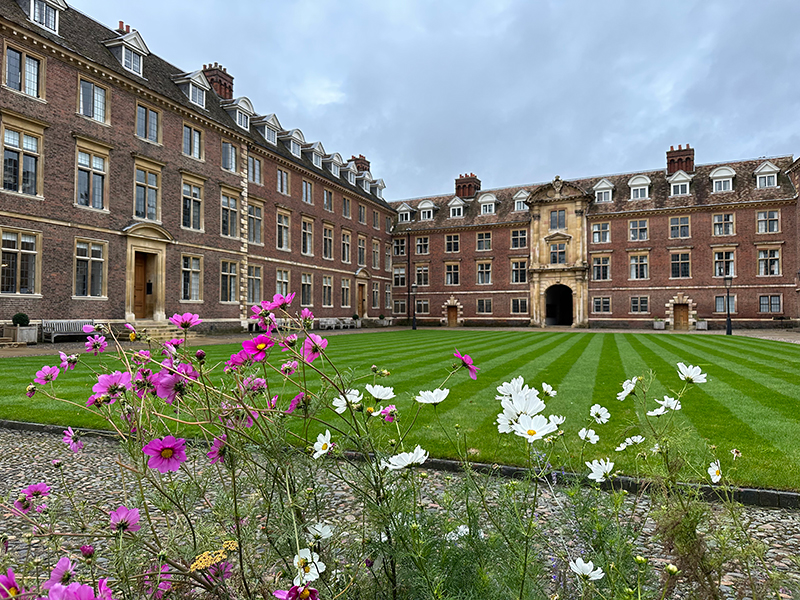
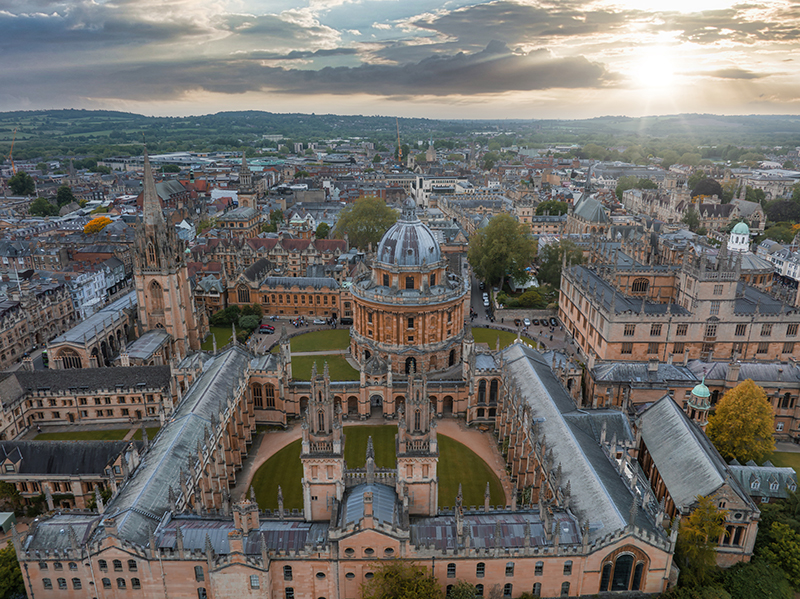
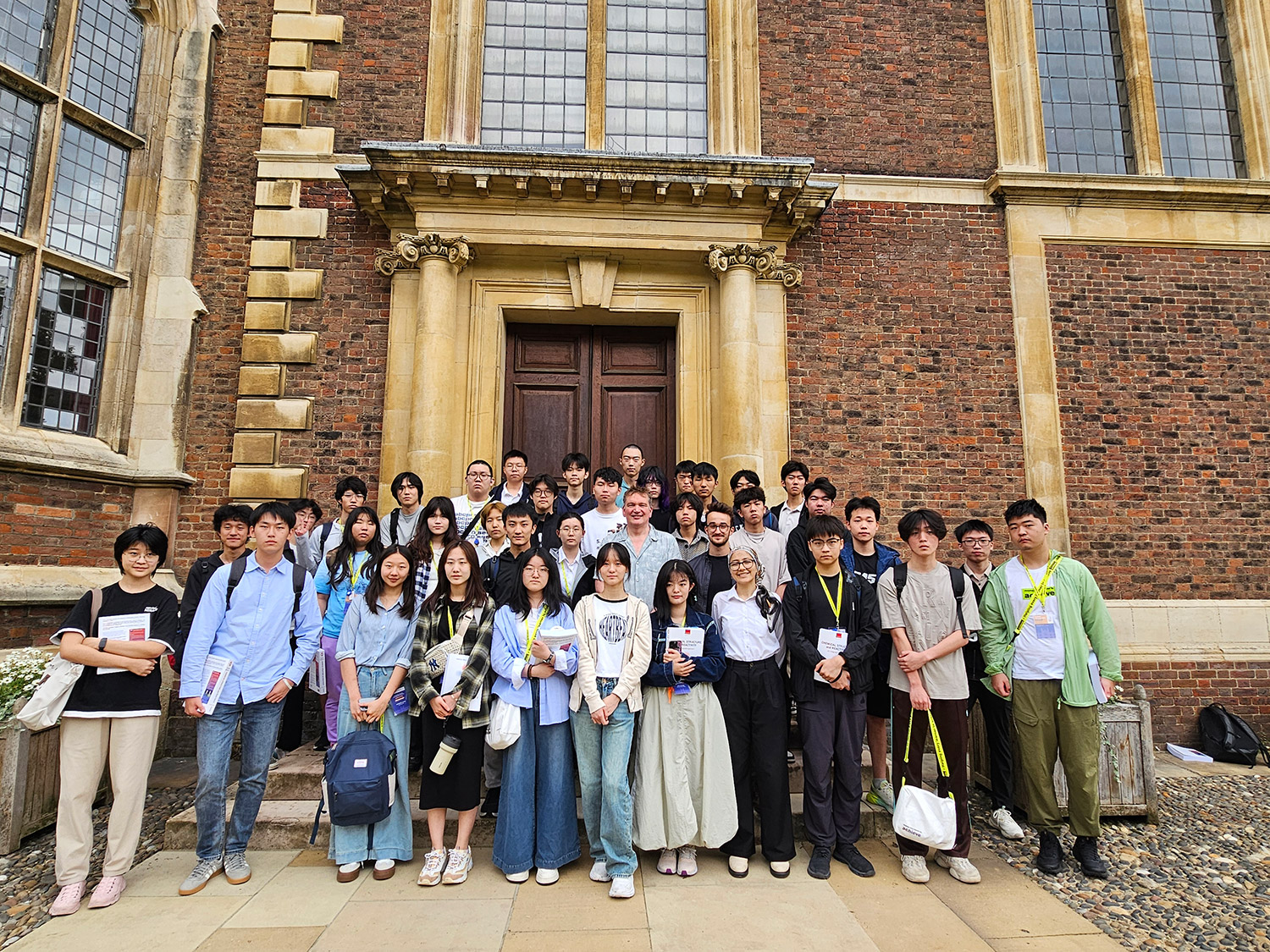
St Catharine's College is a historic and academically rich college in the University of Cambridge, founded in 1473. The college has a strong academic background, particularly excelling in interdisciplinary research.

Step into Cambridge Chemistry Laboratories and Conduct Large-Scale Experiments Like an Undergraduate

The Cambridge Chemistry Camp gives top Chinese students a unique chance to immerse themselves in Cambridge’s academic atmosphere and interact closely with its Department of Chemistry. Guided by Cambridge chemistry professors, participants learn undergraduate‑level chemistry and perform hands‑on large‑scale experiments in the university’s chemistry labs. This rare lab access delivers valuable practical academic experience, broadening students’ global horizons and strengthening their academic background for future pursuits.


Oxford & London Journey

Visit to the University of Oxford

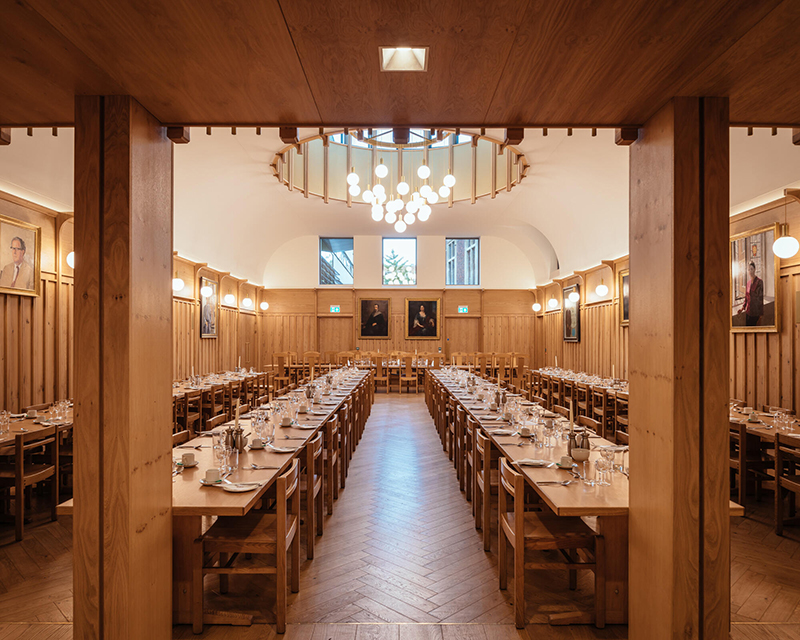
Cambridge Traditional Gown Dinner
Student Reflections

“Participating in the Cambridge Chemistry Camp for the first time, I was immediately impressed by the welcoming college atmosphere and beautiful surroundings. What impressed me most was Dr. Peter Wothers’ incredible lecture and the traditional Cambridge formal dinner held in Ramsden Hall on Friday evening. If anyone is fortunate enough to be invited to the Cambridge Chemistry Camp, I would highly recommend it. I loved being surrounded by like-minded people and working together to solve challenging problems.”

— Cambridge Chemistry Camp Student, 2021 Cohort

Participant Information

Programme Fee

Including course, chemical experiment materials and equipment, visit project, UBC university accommodation, breakfast and lunch, team leader service, and pick-up and drop-off transportation; excluding international air tickets, visa and visa service, university campus dinner and meals during the visit.
Optional Visa Service:In the case of visa rejection, eligible applicants will either receive a full refund of the visa service fee or a complimentary re-application, and the full program fee will be fully refunded, ensuring no financial loss.

Registration Deadline

3 weeks before the camp
* Admission is limited and offered on a first-come, first-served basis. Unconfirmed spots by the deadline will be forfeited.

FAQ

1. Can I get a refund?
After a student has registered and paid, they may apply to withdraw due to unforeseen circumstances. If the application is submitted before the registration deadline, 25% of the registration fee will be deducted as academic materials and service fees. If the application is submitted after the registration deadline, no refund will be given.
华北地区联系人
华北区:北京、天津、黑龙江、吉林、辽宁、 河北、内蒙古、山西、山东
华东地区联系人
华东区:上海、浙江、江苏
华中地区联系人
华中区:河南
华南地区联系人
华南区:广东、广西、福建、海南、香港、澳门、台湾
华西地区联系人
华西区:重庆、四川、云南、陕西、甘肃、青海、西藏、宁夏、新疆
华中地区联系人
华中区:湖南、湖北、安徽、江西 、贵州