Qualification

Award Winners in BBO by Invitation

Date

Aug. 2027 (TBD)

Location

China

Language

EN

Place

80

Program Introduction

The British Biology Olympiad (BBO) is organized by the British Biology Olympiad Committee (UKBC) and is officially supported by the Royal Society of Biology (RSB). UKBC selects outstanding students from the BBO to participate in the "BBO Camp" held at the University of Warwick in the UK, and gathers excellent students from this training camp to represent UK in the International Biology Olympiad (IBO).

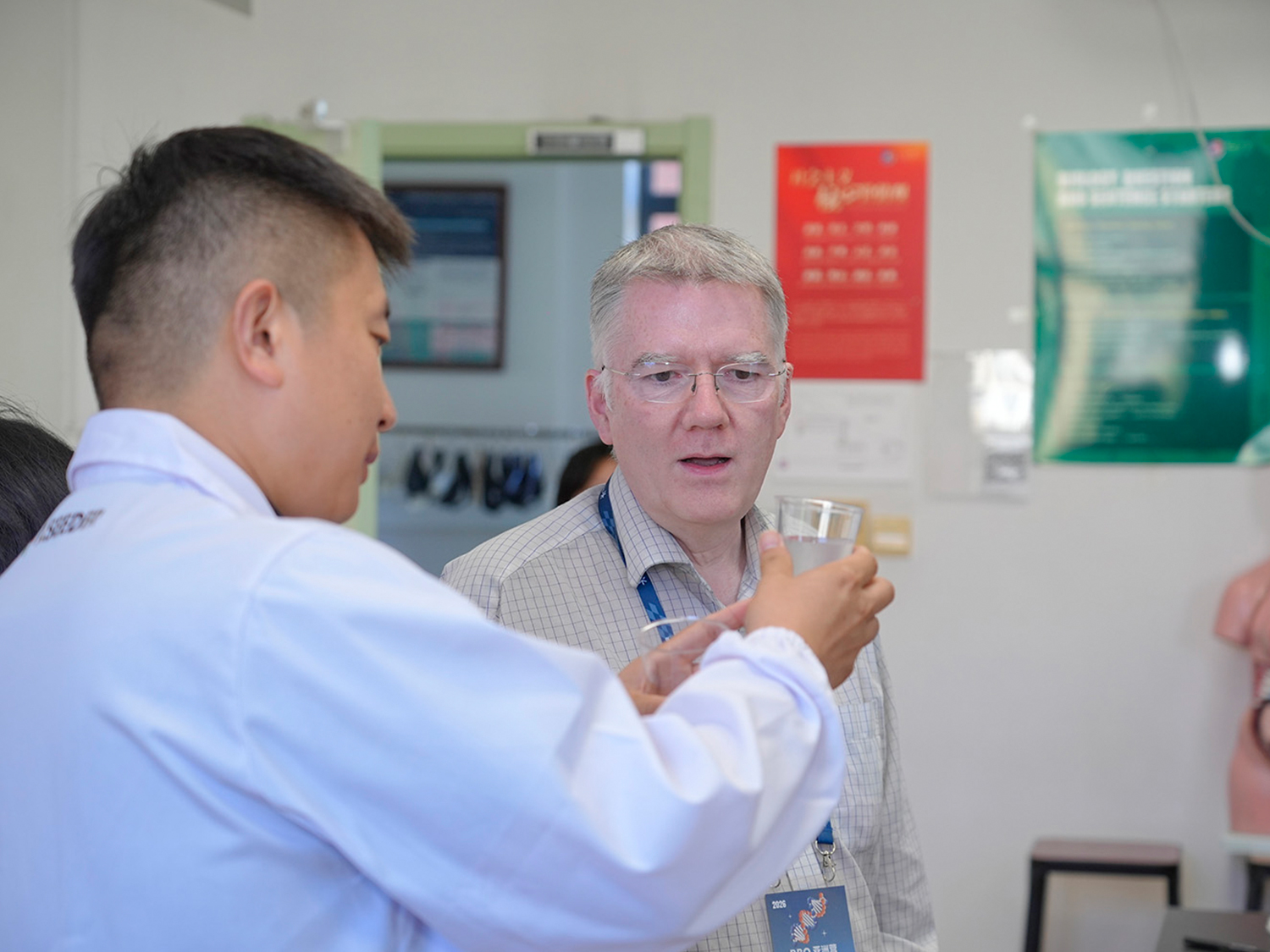
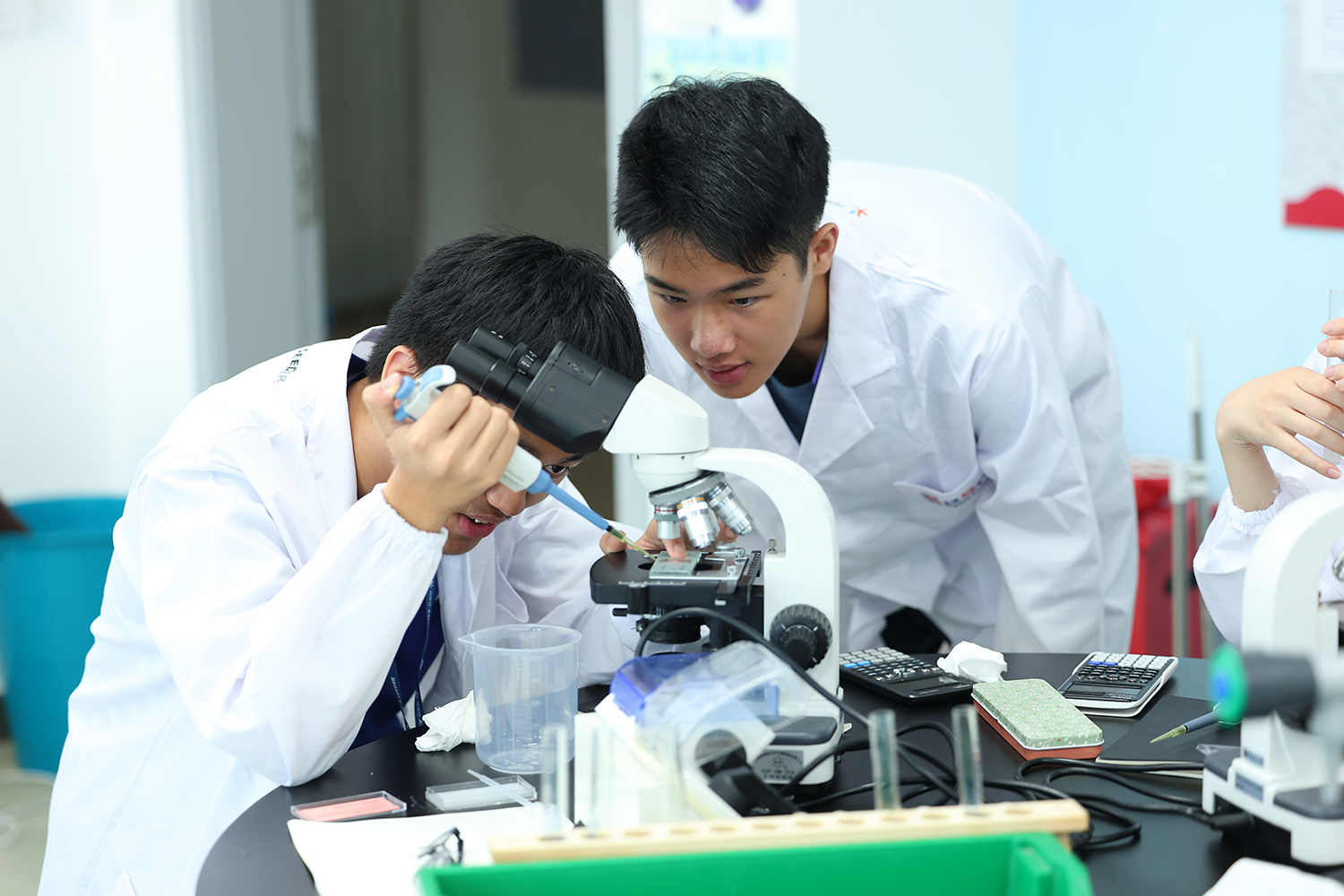
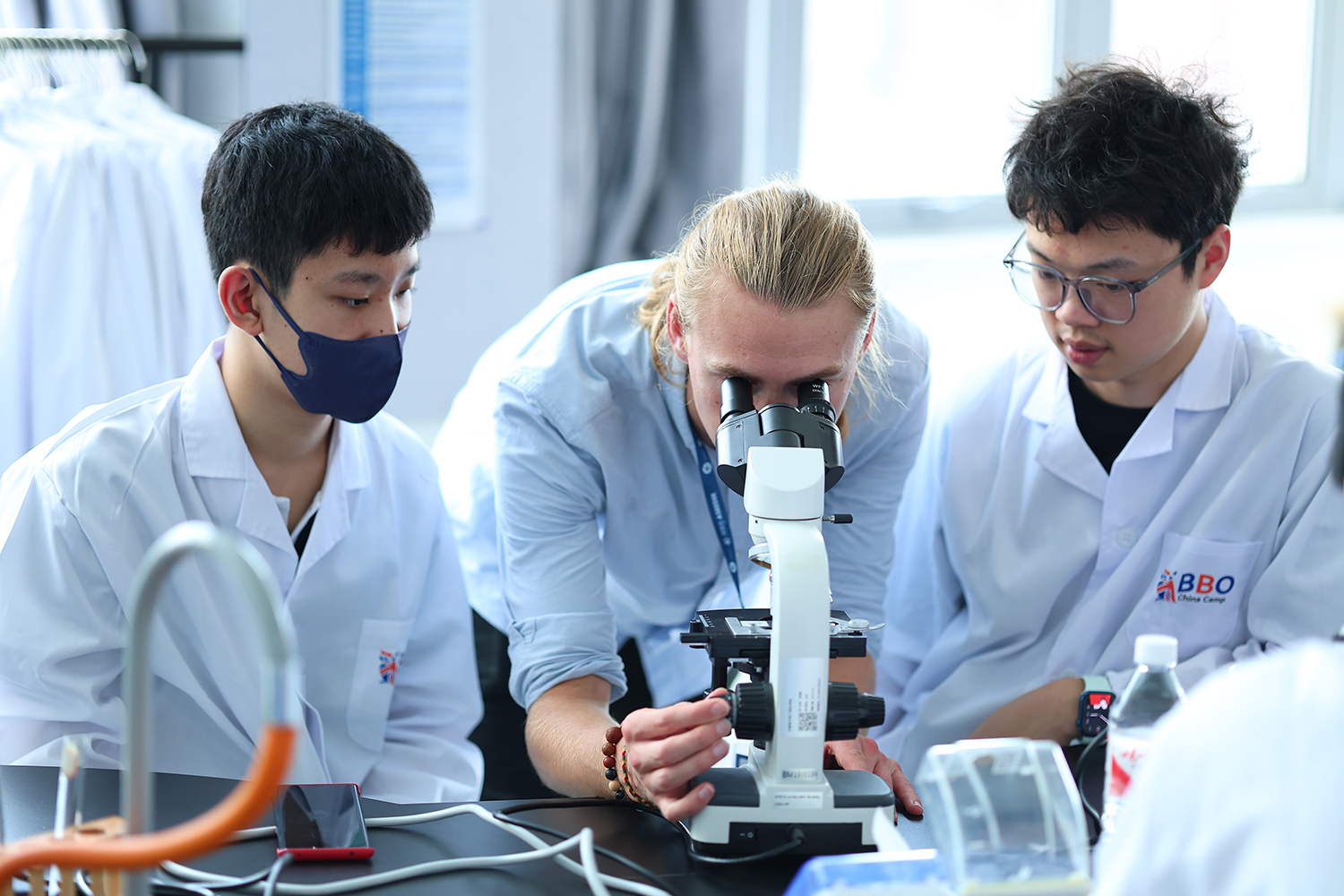
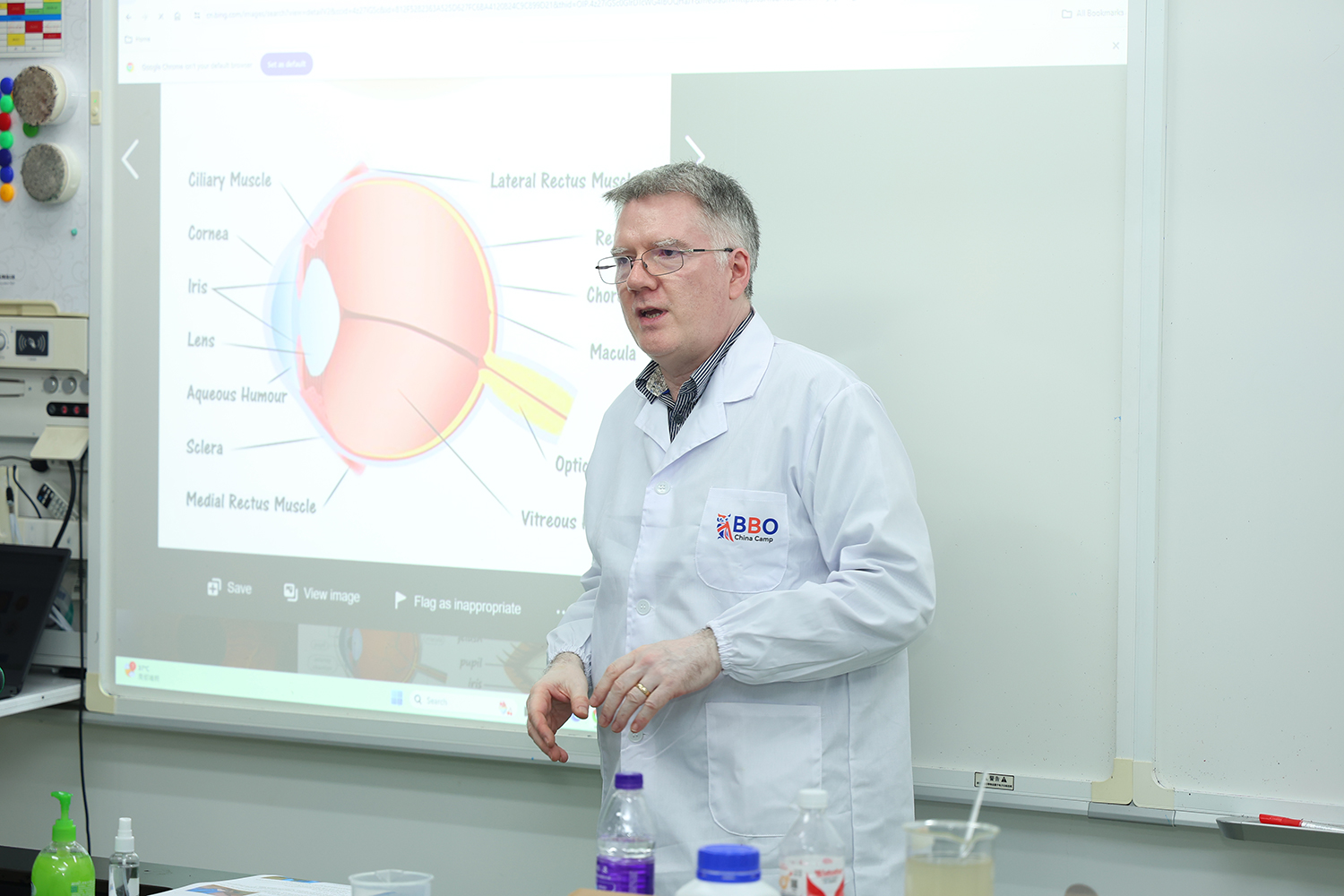
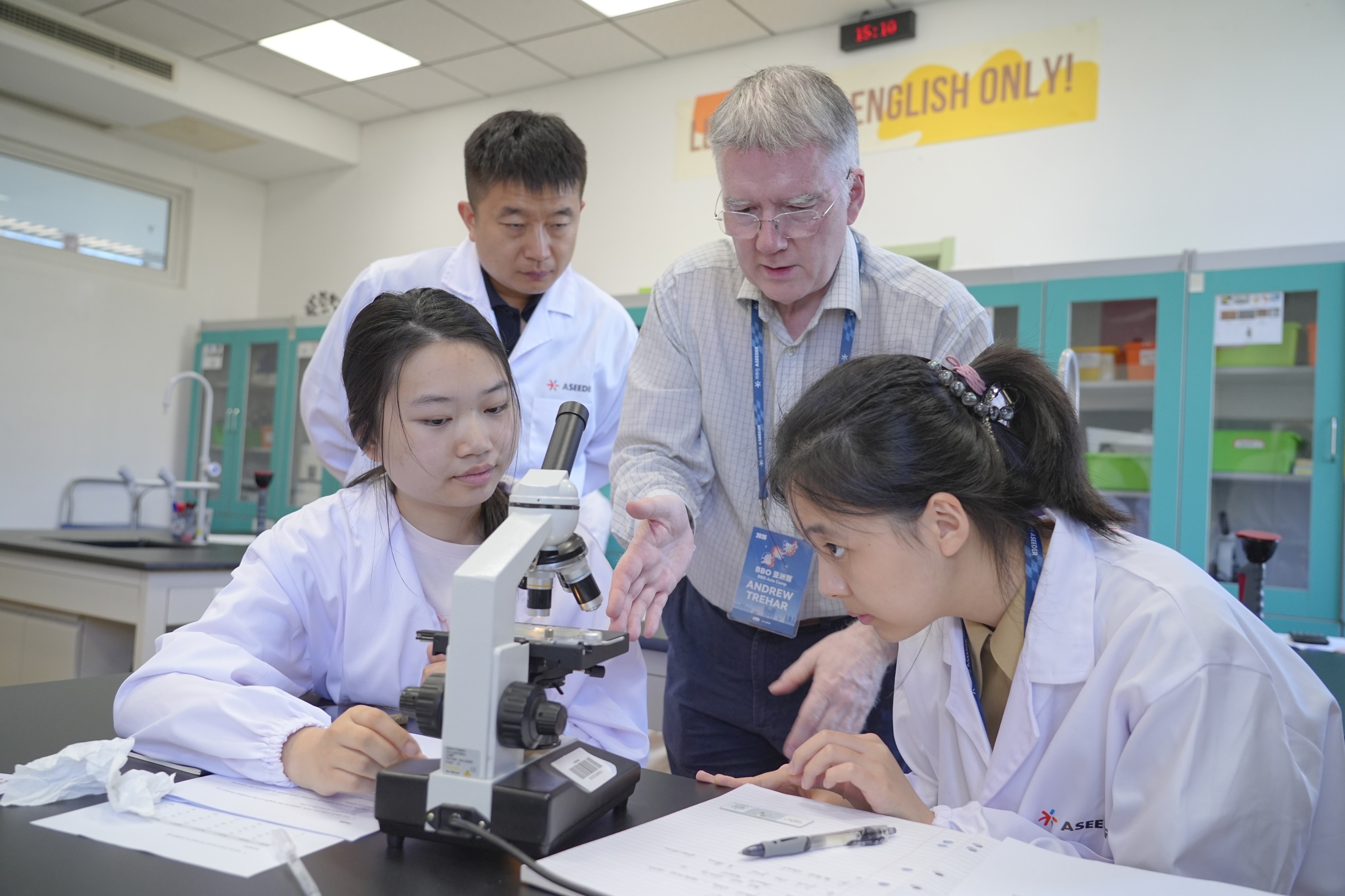
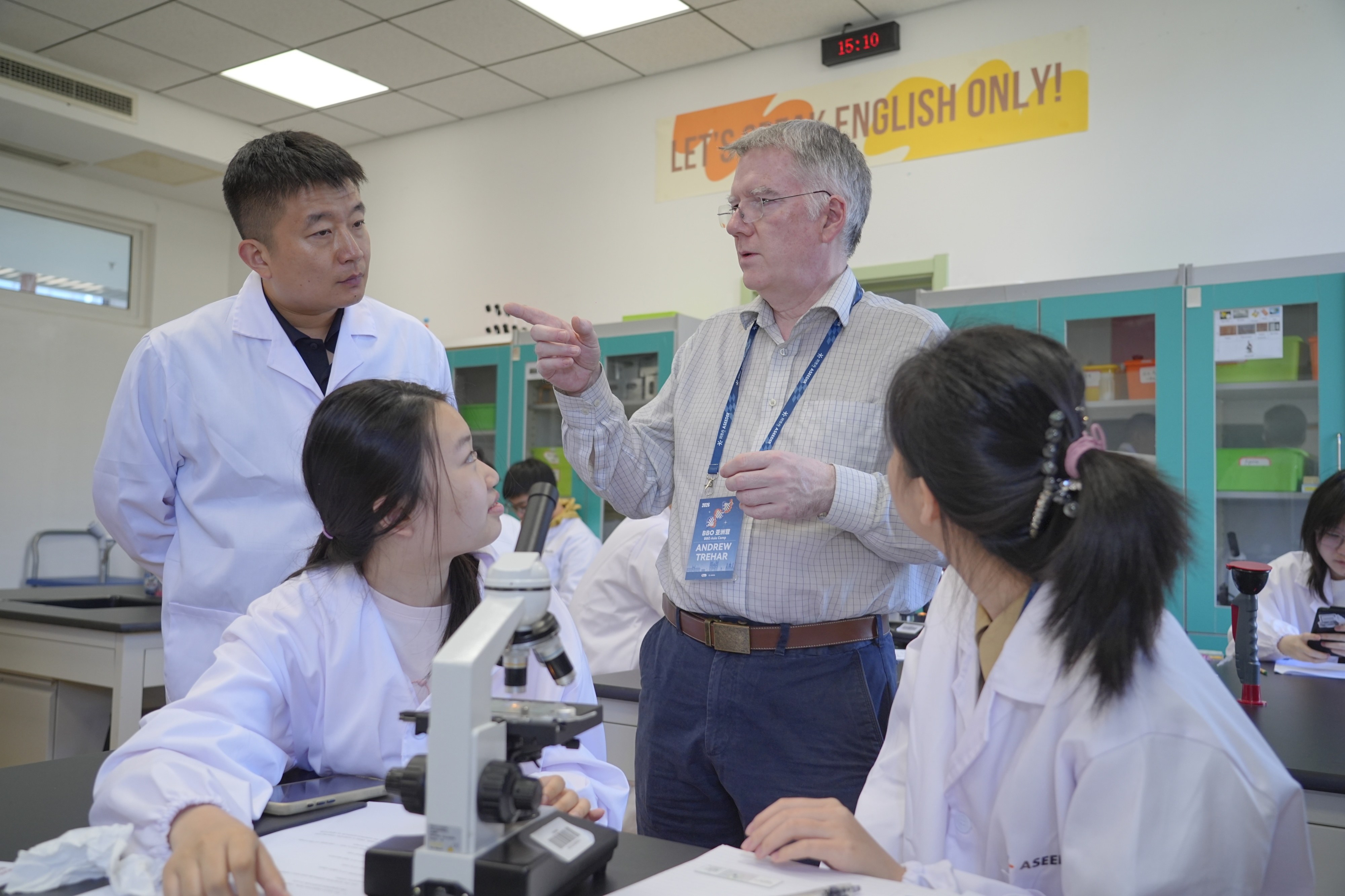
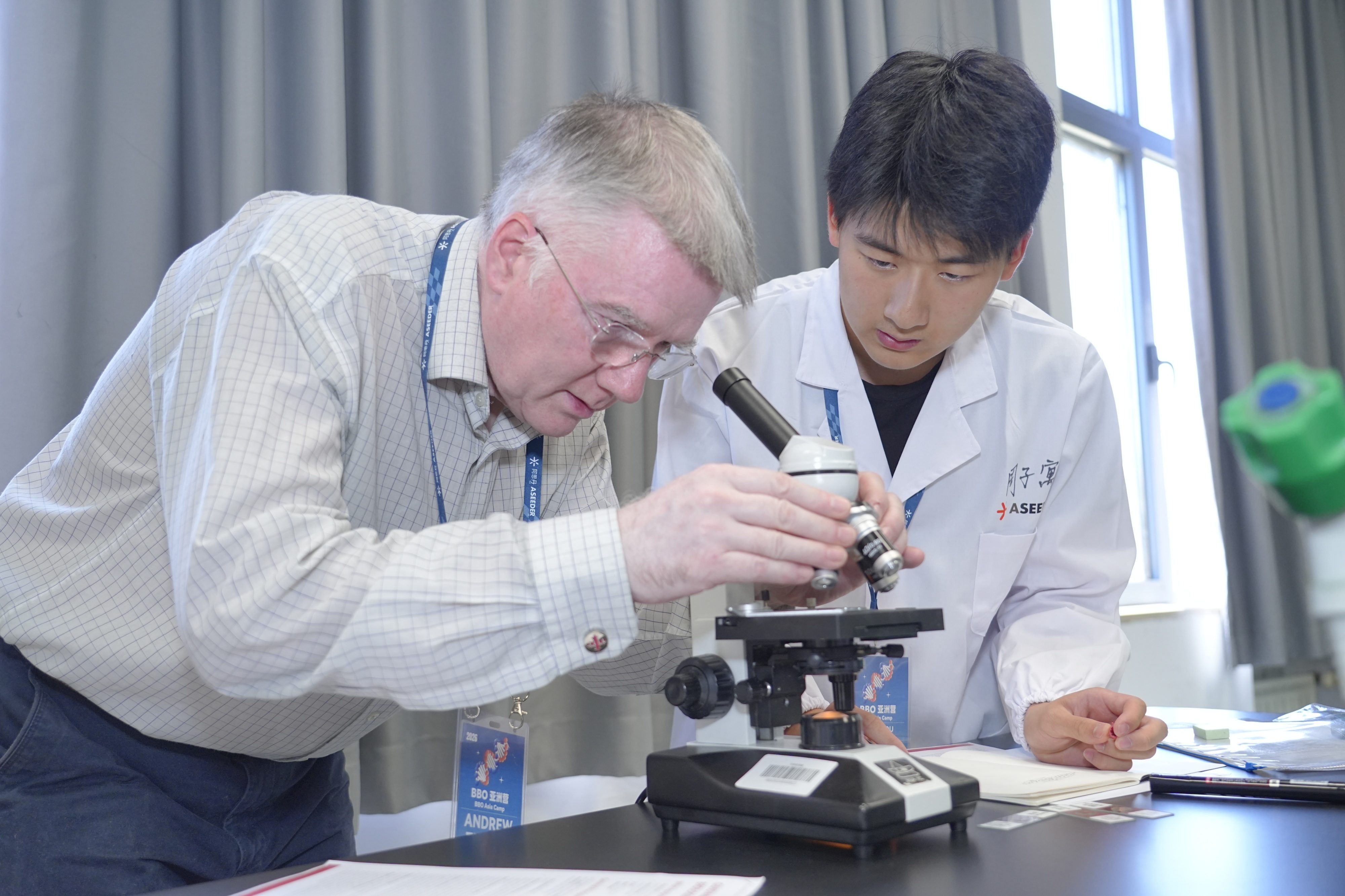
In 2024, for the first time, the British Biology Olympiad Committee and ASEEDER introduced this globally top- level academic training camp to China. This camp is only open to Chinese award-winning students in the BBO. It will be led by Dr. Treharne, the head coach of the British Biology Olympiad National Team, who will personally lead the British coaching team to China for teaching. The BBO Asia Camp will adopt the same academic content and teaching methods as the local camps in the UK, guiding students to explore biology deeply, learn biological research methods through practical experiments, and provide advanced guidance for potential future biologists. The topic includes microbiology, photosynthetic pigments and electromagnetic spectra, neurobiology, enzyme kinetics, biochemistry, and other topics. After each lecture, students will participate in relevant biological experiments and verify conclusions through methods such as conducting experiments, observing phenomena, and analyzing data. The practical session of this camp is an advancement and supplement to biological assessments, which is a valuable opportunity for Chinese students with less experimental experience.

Pre-Assessment

British Biology Olympiad (BBO):Jan. 16, 2027 (Sat.) , Grade 10-12

前置测评

英国生物测评(初级/BC)

  • 时间:2026年5月10日(周日)10:00-10:50
  • 资格:任意年级初中生

了解详细内容>

Academic Highlights

1. Top-tier coach team
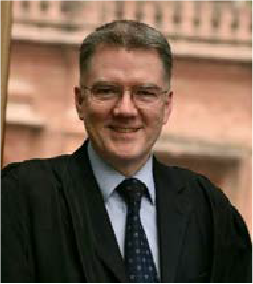

Dr. Andrew Treharne

● Core member of Royal Society of Biology (RSB)
● The chairman of Board of Trustee of UKBC
● The head coach of UK national team

Andrew has a PhD in Biometrical Genetics and is a Fellow of several learned societies, including the Royal Society of Biology. He has been the UK’s National Biology Olympiad Coordinator for fourteen years and has represented the UK on the International Jury on ten occasions.

Dr. Andrew Treharne, the coach of the BBO National Team, leads a coaching team to China for teaching. The coaches are all coaches of the BBO National Team, with many years of experience in both participating in and coaching the International Biology Olympiad (IBO). They are familiar with the BBO syllabus, exam trends, and strategies for high scores. The coaching team employs the UK elite education model, focusing on training critical thinking and practical skills to help students adapt to high-level international academic competition.
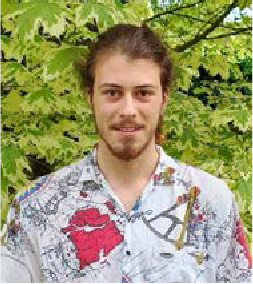
Robert Halliday

● Coach of UK National Team
● Coach of UK Team for the International Biology Olympiad
● International Biology Olympiad Gold Medalist

Robert won a Gold Medal as a UK team member at the 2023 IBO in the United Arab Emirates. He is currently
tutoring students prior to studying Natural Sciences at Durham University from September 2024.

* The above is a list of past coaches for reference, subject to change based on the actual coach.

2.Cutting-edge Biology Theory and Inquiry-based Learning


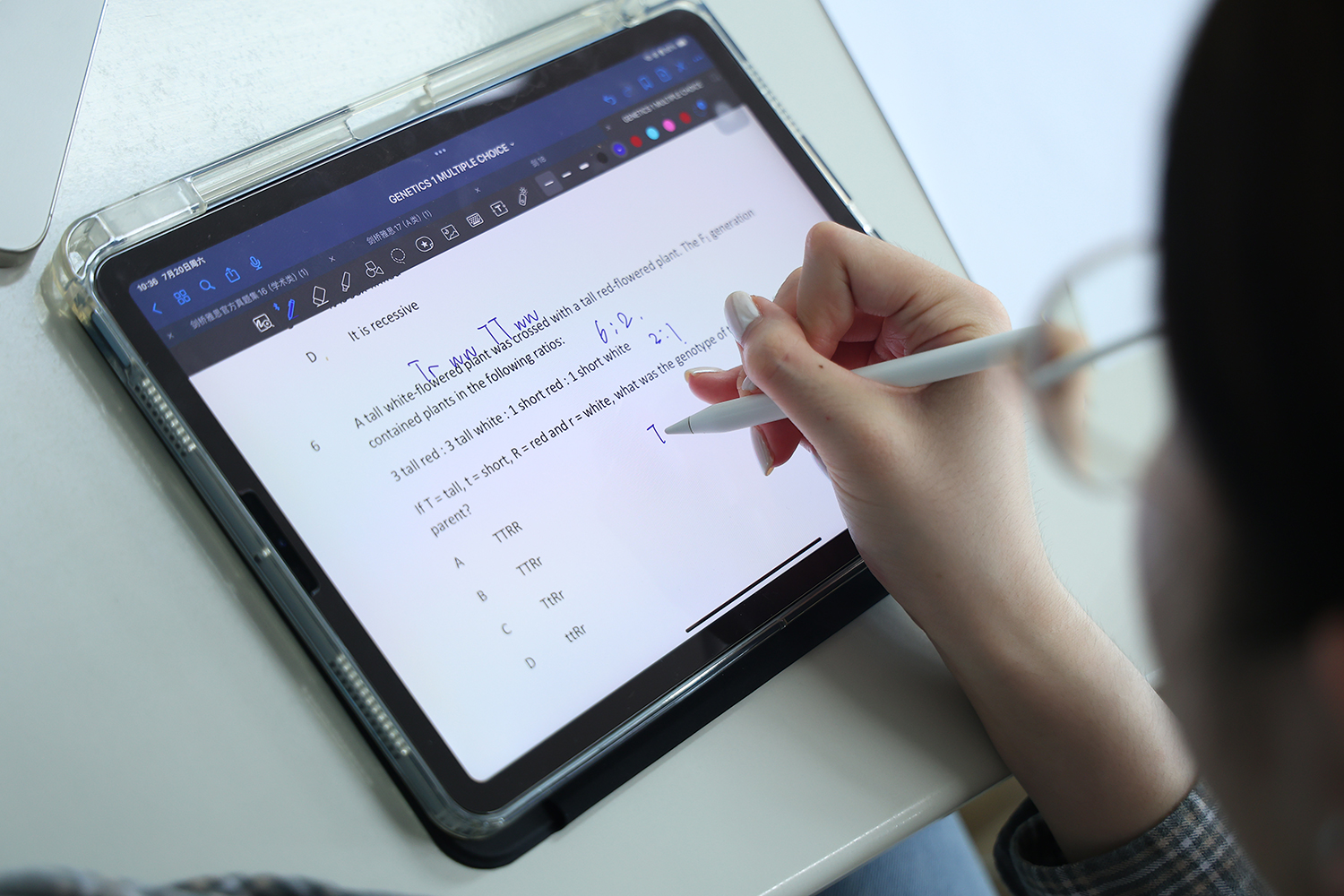
The course strictly aligns with the BBO syllabus, covering core areas such as microbiology, neurobiology, enzymology, biochemistry, bioinformatics, and extends to advanced fields like anatomy and genetics. An "theory + inquiry" advanced inquiry-based learning model is employed, where students, under the guidance of coaches, complete tasks such as experimental operations, experimental reasoning, and data analysis, cultivating independent research abilities.

Microbiology
Neurobiology
Biochemistry
Genetics
Enzyme kinetics
Anatomy

3. High Proportion of Experimental Courses (Experiments account for approximately 50%)


Theoretical and experimental content are deeply integrated, with each theoretical module accompanied by an experimental course. Students will systematically complete experimental learning, proper operational procedures, data collection, statistical modeling, and conclusion summarization, providing an authentic research experience. Additionally, the camp is equipped with laboratory facilities that meet international Olympiad standards (e.g., PCR machines, gel electrophoresis, etc.), ensuring that students master advanced experimental techniques.

Academic Modules

Instruction from British Biology Olympiad Coaches

All instructors are coaches of the British Biology Olympiad national team, with extensive experience participating in and coaching for the International Biology Olympiad (IBO). They have an in‑depth understanding of international biology syllabi and training frameworks. The visiting coaches pursuing advanced studies across diverse biology‑related disciplines will also broaden students’ horizons regarding university studies and career pathways through interactions.

Training Content at International Biology Olympiad Standard

The camp covers IBO‑syllabus‑aligned topics including microbiology, neurobiology, enzyme kinetics, biochemistry and bioinformatics. Under the guidance of coaches, students will engage in advanced biological inquiry.

Hands‑on Biological Experimentation & Simulation

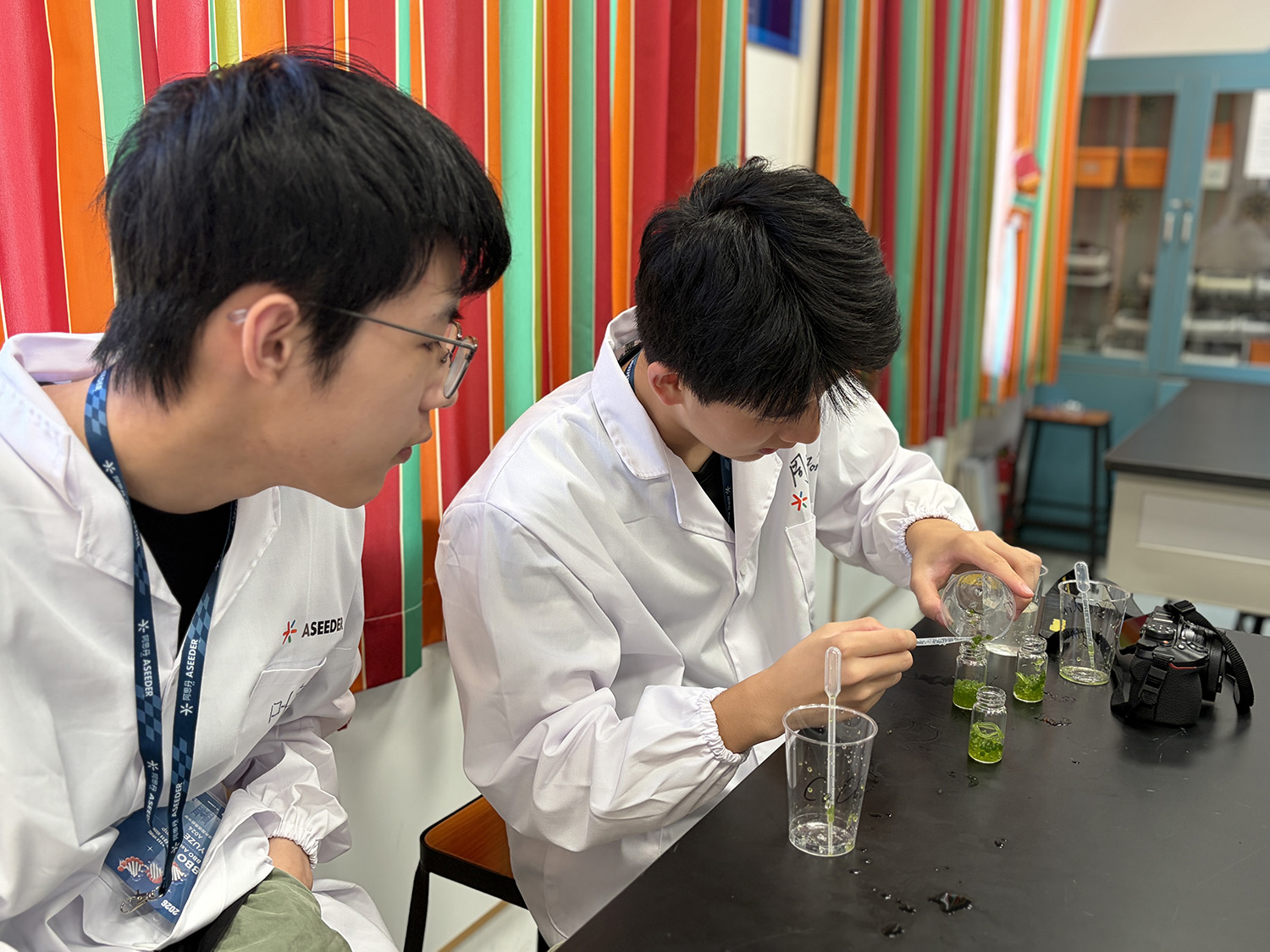
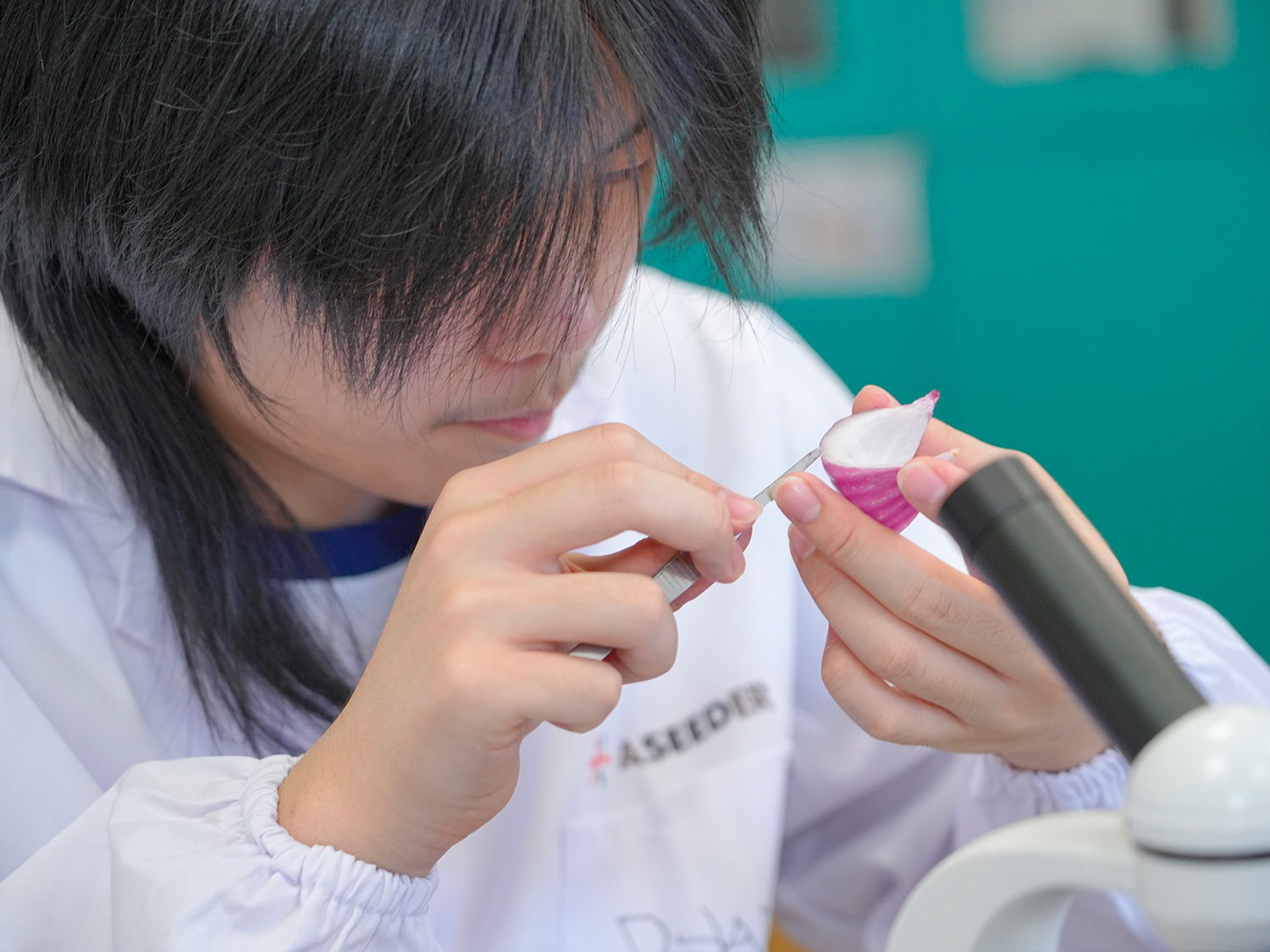
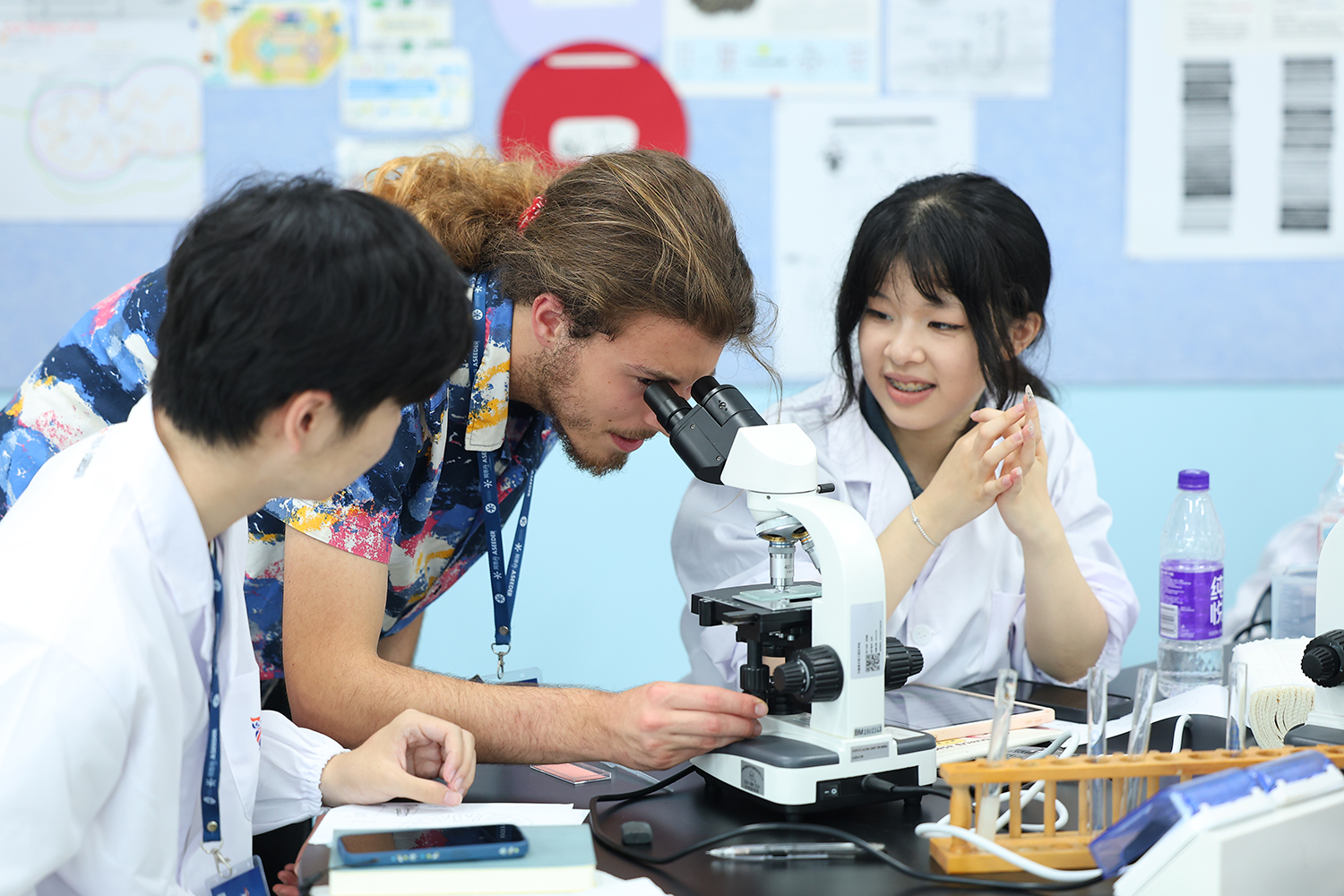
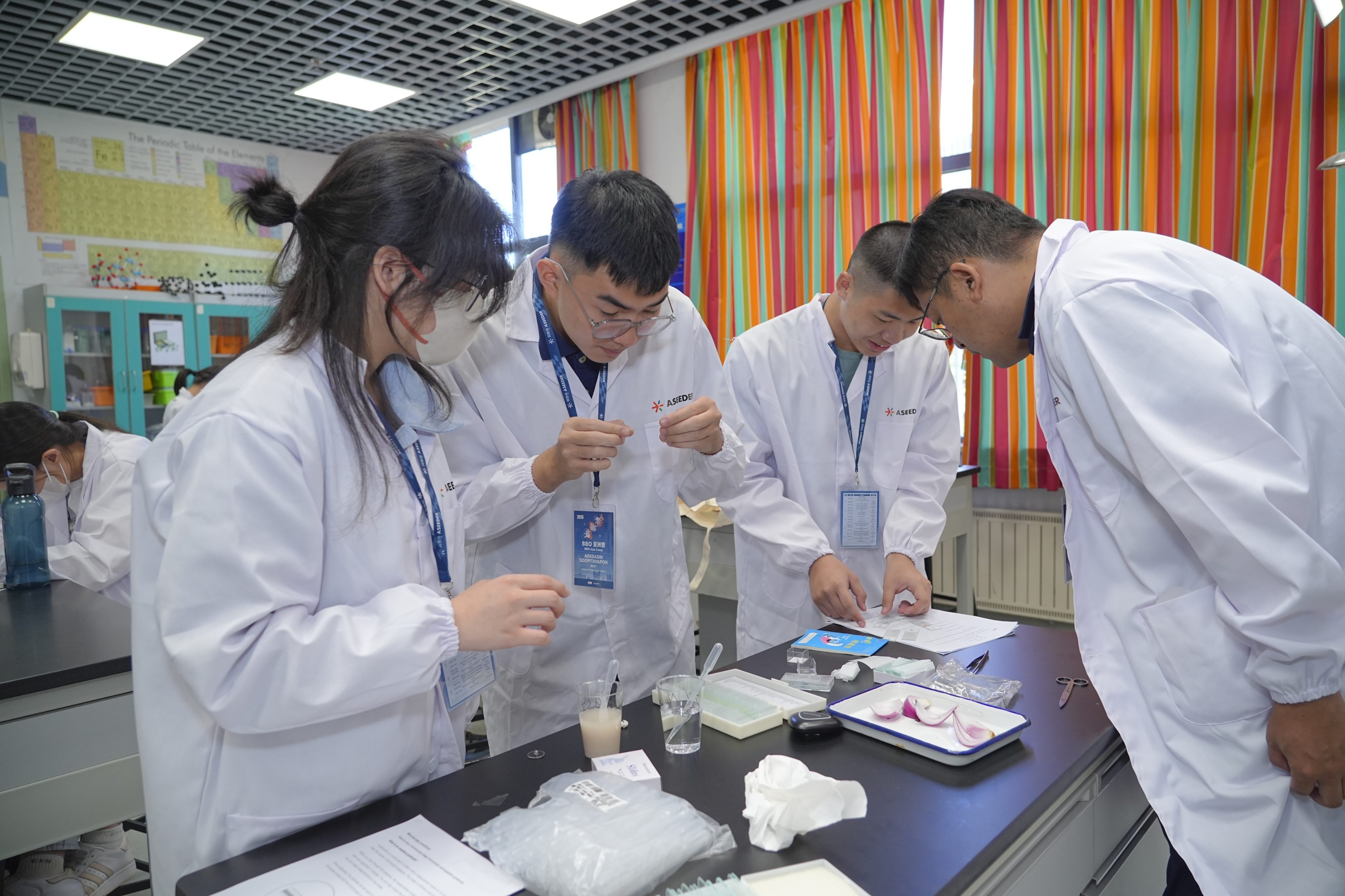
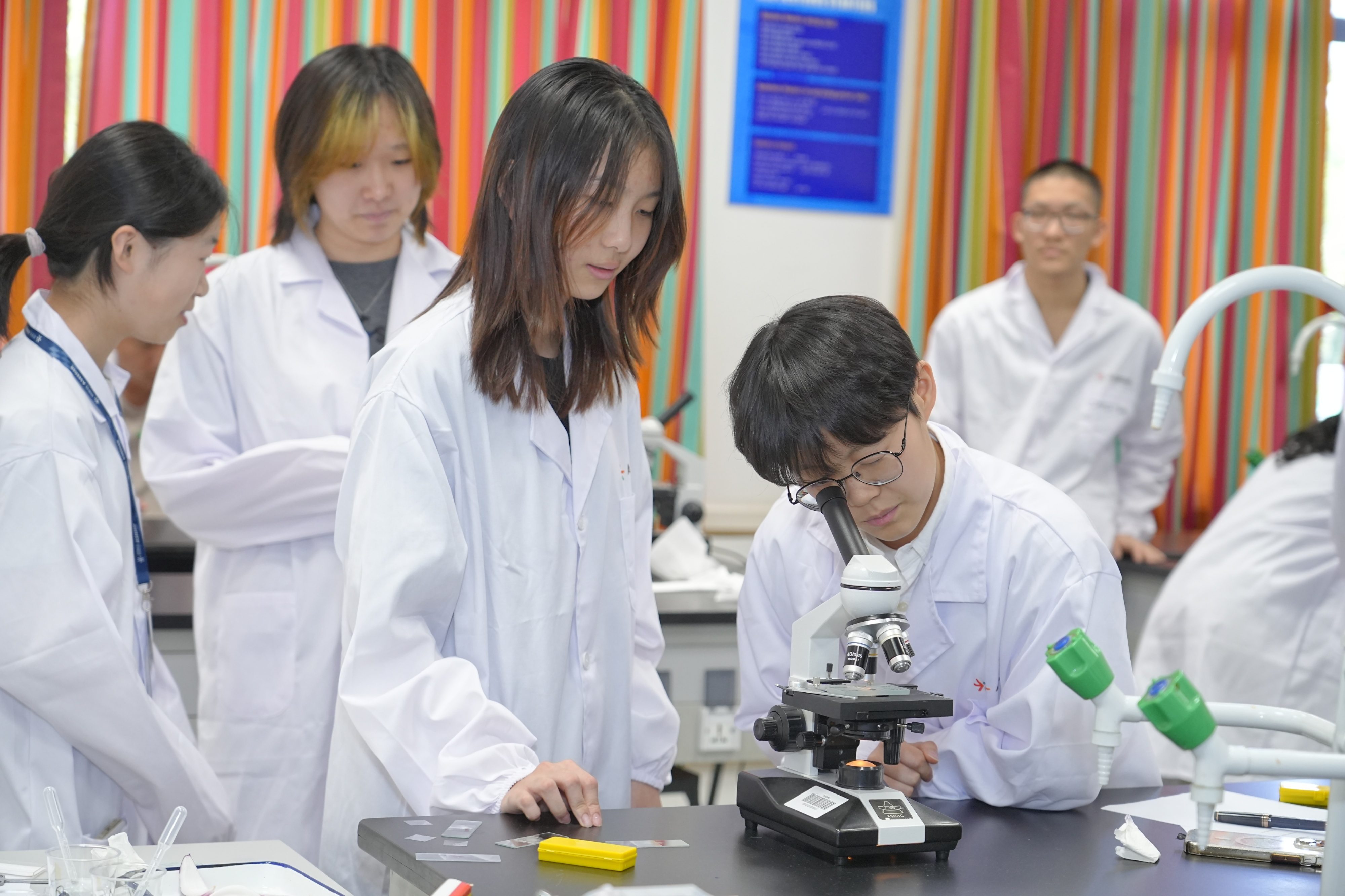
Nearly 50% of the BBO Asia Camp consists of practical experiment sessions, tightly integrated with theoretical lectures. Following each thematic module, students will derive research conclusions through experimental design, phenomenon observation and data analysis.


Previous Lab Projects

*Below are introductions of past lab projects. Specific practical lab courses are subject to adjustment based on actual circumstances.

每一项实验均结合理论讲解、动手操作与结果分析,规范操作与科学记录,注重培养学生的观察能力、动手能力和批判性思维。真实的实验体验是最好的科学启蒙,也是通向未来科研道路上的重要一步。

Microscopic Measurement and Cell Biology

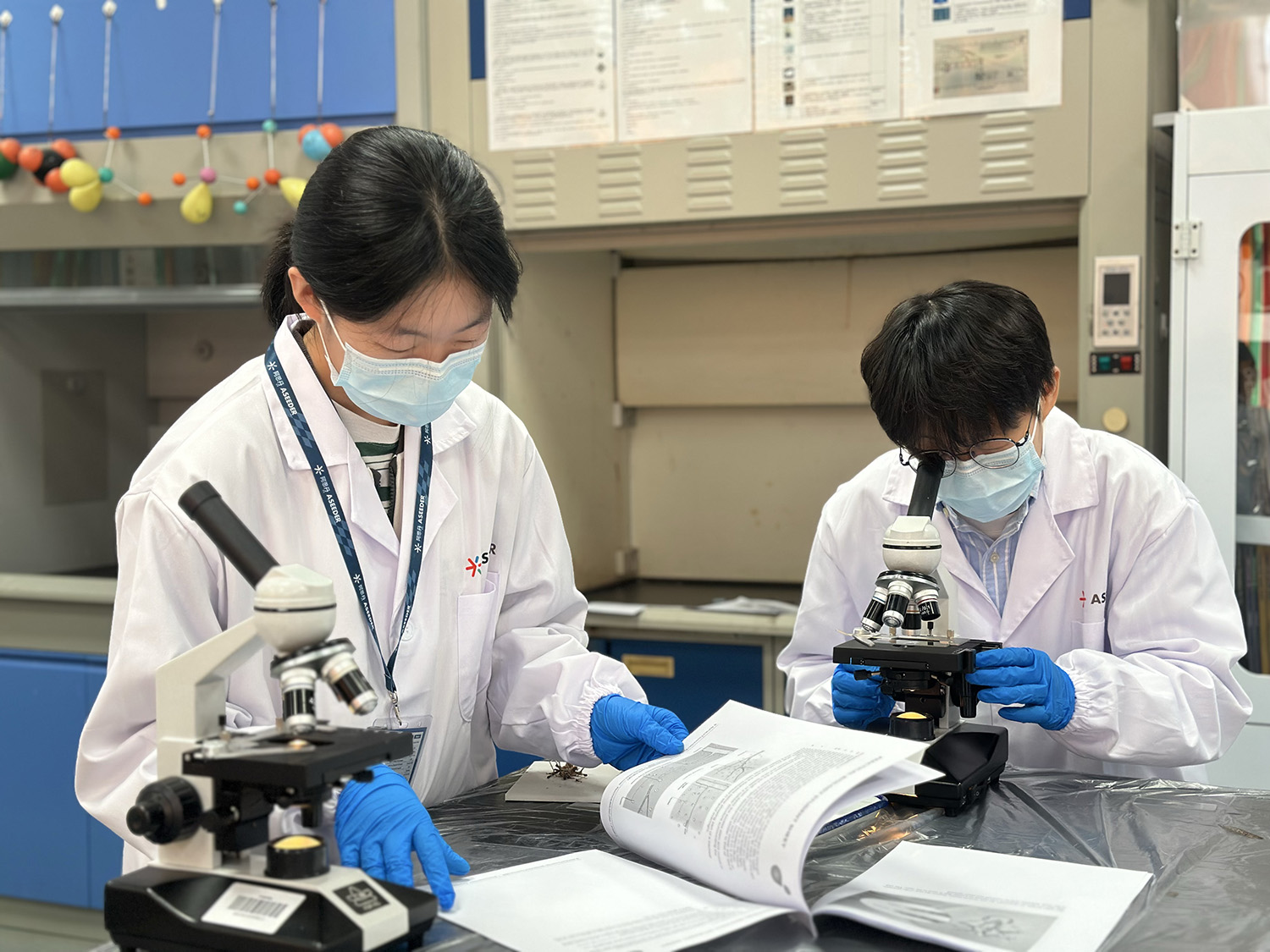
Students will personally calibrate and utilize microscopic micrometer systems to measure the actual dimensions of cells and tissues. By preparing and observing temporary mounts of various biological specimens, students will intuitively understand cell structures and osmotic responses, mastering the fundamental methods of quantitative observation and precision measurement in life sciences

DNA Extraction and PCR Analysis

Students will collect their own buccal epithelial cells to extract DNA and perform PCR amplification. Using gel electrophoresis to analyze genotypes, they will experience the core workflows of molecular genetics firsthand, bridging the gap between genes and traits while understanding the technical foundations of modern medicine and genetic testing.

Animal Dissection and Structural Exploration

Through the dissection of representative specimens such as cow eyes, sheep hearts, crucian carp, and locusts, students will systematically observe organ structures and functional adaptations. This hands-on approach helps students truly grasp the concept that "structure determines function" and establishes a biological perspective based on cross-species comparison.

Physiological Response and Behavioral Experiments

Students will record changes in their own heart rates before and after exercise and prepare various solutions to observe the physiological responses of Daphnia (water fleas). This module illustrates how organisms respond to internal and external environmental changes, highlighting life regulation mechanisms and laws of environmental adaptation.

Plant Pigment Separation and Photosynthesis

Students will extract and separate photosynthetic pigments from plant leaves to observe pigment band distribution. Through the "algal ball" experiment, they will dynamically monitor the process of photosynthesis, understanding how light energy translates into life activity and deepening their insight into energy conversion and fundamental ecosystem mechanisms

Bioinformatics and Phylogenetic Evolution

Students will learn to use professional software to analyze gene sequences and construct phylogenetic trees. This module focuses on understanding evolutionary relationships between species at the molecular level and appreciating the importance of data analysis in life sciences, providing a methodological basis for disease research, biological evolution, and precision medicine.

Introduction to Biomechanics and Biomaterials

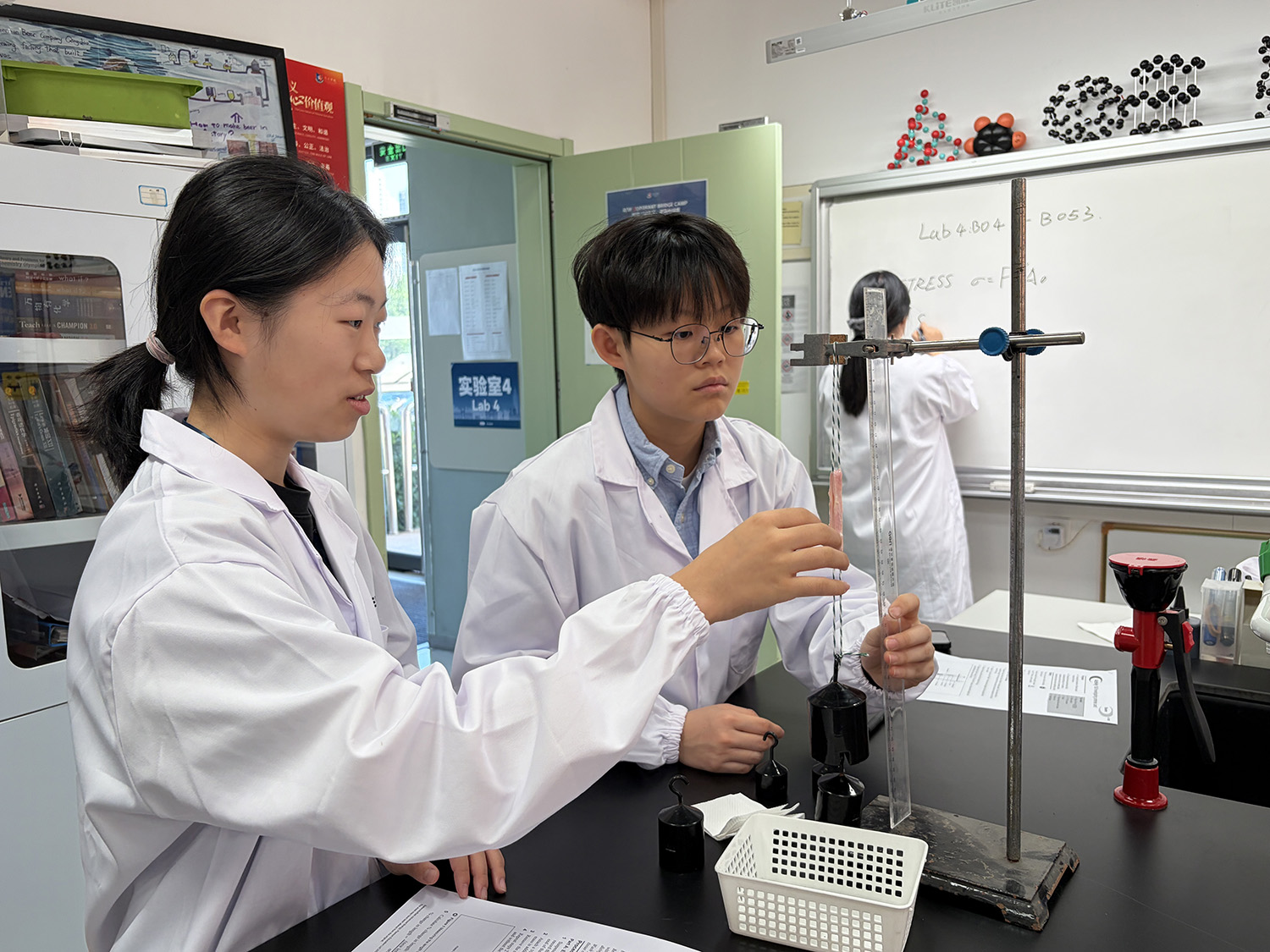
Under faculty guidance, students will construct simple apparatuses to measure the deformation of simulated biological tissues under different loads. This experiment introduces the mechanical properties of biological materials and measurement techniques, bridging the gap between life sciences, engineering, and biomedical applications.

Taxonomic Keys and Scientific Thinking

Students will learn to construct and apply biological dichotomous keys, mastering the use of logical classification tools to identify and summarize biological characteristics. This training cultivates systematic scientific thinking, laying a foundation for the analytical, inductive, and reasoning skills essential for scientific research.

Schedule

Day 1 Day 2 Day 3 Day 4 Day 5
Morning

9:00-12:00

Opening ceremony Course: Lecture on photosynthetic pigments and the electromagnetic spectrum Course: Lecture on evolutionary neuro-ethology Course: Exploration of genetic issues Course: Lecture on genetic transformation and molecular biology techniques
Course: IBO Lecture

Course: Lecture on microscopy

Experiment: Photosynthesis investigations Course: Lecture on Tinbergen questions

Experiment: Photosynthesis investigations

Experiment: Genetic testing experiments Experiment: Molecular biology
Noon Lunch
Afternoon
14:00-17:00
Experiment: Using the light microscope Course: Lecture on enzyme kinetics Course: Lecture on gene editing and the bacterial CRISPR-Cas9 antiviral defence system Course: Lecture on protein structure Closing Ceremony
Course: Lecture on data analysis using Excel

Experiment: Enzyme assay

Experiment: Microbiology and genetics Course: Lecture on bioinformatic techniques

Experiment: Bioinformatics and dichotomous keys

* The schedule is tentative and may be adjusted according to the actual situation.

Testimonials from previous students

During the camp, I engaged in practical sessions far richer than those in my school curriculum, allowing me to apply theoretical classroom knowledge to real-world scenarios. This bridge between theory and practice was incredibly rewarding. For instance, the PCR experiment is usually only taught theoretically at school, but here I performed it hands-on. This served as excellent preparation, meaning I will grasp the concepts more easily in future classes and face related exam questions with greater confidence

One of the most memorable experiments was the dissection of the pig heart and fish. When I dissected the heart myself and saw that the internal structures matched the textbook descriptions perfectly, I was awestruck. It is a surreal and wonderful experience to see the concepts you have studied repeatedly in problems presented so realistically before your eyes. Overall, the curriculum was systematic and comprehensive, covering the entire span of high school biology and helping me build a complete knowledge framework.

— Student Sun

RCF Experimental School

For me, hands-on experience was the most critical aspect of this trip. Due to limited resources and equipment at school, the BBO Asia Camp allowed me to access a wide variety of experiments, truly achieving the integration of theory and practice.

The experiment that left the deepest impression on me was the PCR (Polymerase Chain Reaction). Since it aligns closely with my academic focus, the professor explained the principles in detail before we began. This allowed me to think about the significance of each step and the molecular mechanisms while operating, and even analyze potential errors. This process gave me a much deeper and more systematic understanding of the principles and applications of PCR technology

— Student Liao

Fettes College Guangzhou

This program offered incredibly rich experimental opportunities, giving me access to content rarely touched upon in the standard classroom, such as observing real heart specimens and performing PCR operations. These experiences allowed me to truly apply textbook knowledge to practice. I gained a lot from this, and it gave me a deeper understanding of the textbook system, which I believe will be very helpful for future competitions and exams.

The most impressive experiment was the locust dissection. After removing the upper cuticle, I clearly saw every single yellow egg—something I could never observe with my own eyes at school. Furthermore, the professor used the specimen I prepared to isolate the tracheal structure, extracting clear white filamentous tissues. This process gave me a much more intuitive and profound understanding of insect and animal anatomy.

— Student Wu

RCF Experimental School

At school, we learn a significant amount of theory but often lack opportunities for hands-on practice. My goal for this activity was to combine classroom learning with actual operations and truly understand the principles behind every step.

What impressed me most was the collaborative nature of the experiments. Most tasks were carried out in groups, requiring us to communicate and cooperate with students from different schools and backgrounds. This process not only honed my manual skills but also improved my ability to work and communicate as part of a team.

In terms of content, the PCR experiment was the most rewarding. Although I had encountered similar experiments in middle school, I had mostly just followed instructions without deep understanding. Here, guided by the professor and lecture notes, I learned the background knowledge and technical details systematically. I now understand the significance of every step at the molecular level and have a more solid grasp of the real-world applications of biology

— Student Liu

RDFZ Xishan School

Participant Information

Fee:

The programme fee includes tuition and academic materials, but does not cover logistical expenses such as hotel accommodation, meals, transportation, etc.
* ASEEDER will provide logistical services for students. When logistical registration opens, students will be informed by message, email, etc.

Registration deadline:

Three weeks before the programme begins.
* Places on the camp are limited and registration will close once all places have been filled. Applications submitted after the deadline will be considered a voluntary withdrawal from participation.

FAQ

1. Can I get a refund?
After a student has registered and paid, they may apply to withdraw due to unforeseen circumstances. If the application is submitted before the registration deadline, 25% of the registration fee will be deducted as academic materials and service fees. If the application is submitted after the registration deadline, no refund will be given.
华北地区联系人
华北区:北京、天津、黑龙江、吉林、辽宁、 河北、内蒙古、山西、山东
华东地区联系人
华东区:上海、浙江、江苏
华中地区联系人
华中区:河南
华南地区联系人
华南区:广东、广西、福建、海南、香港、澳门、台湾
华西地区联系人
华西区:重庆、四川、云南、陕西、甘肃、青海、西藏、宁夏、新疆
华中地区联系人
华中区:湖南、湖北、安徽、江西 、贵州