Date<
Jul. - Aug. 2027 (TBD)
Location
Qingdao, China
Language
EN
Place
60
Program Introduction
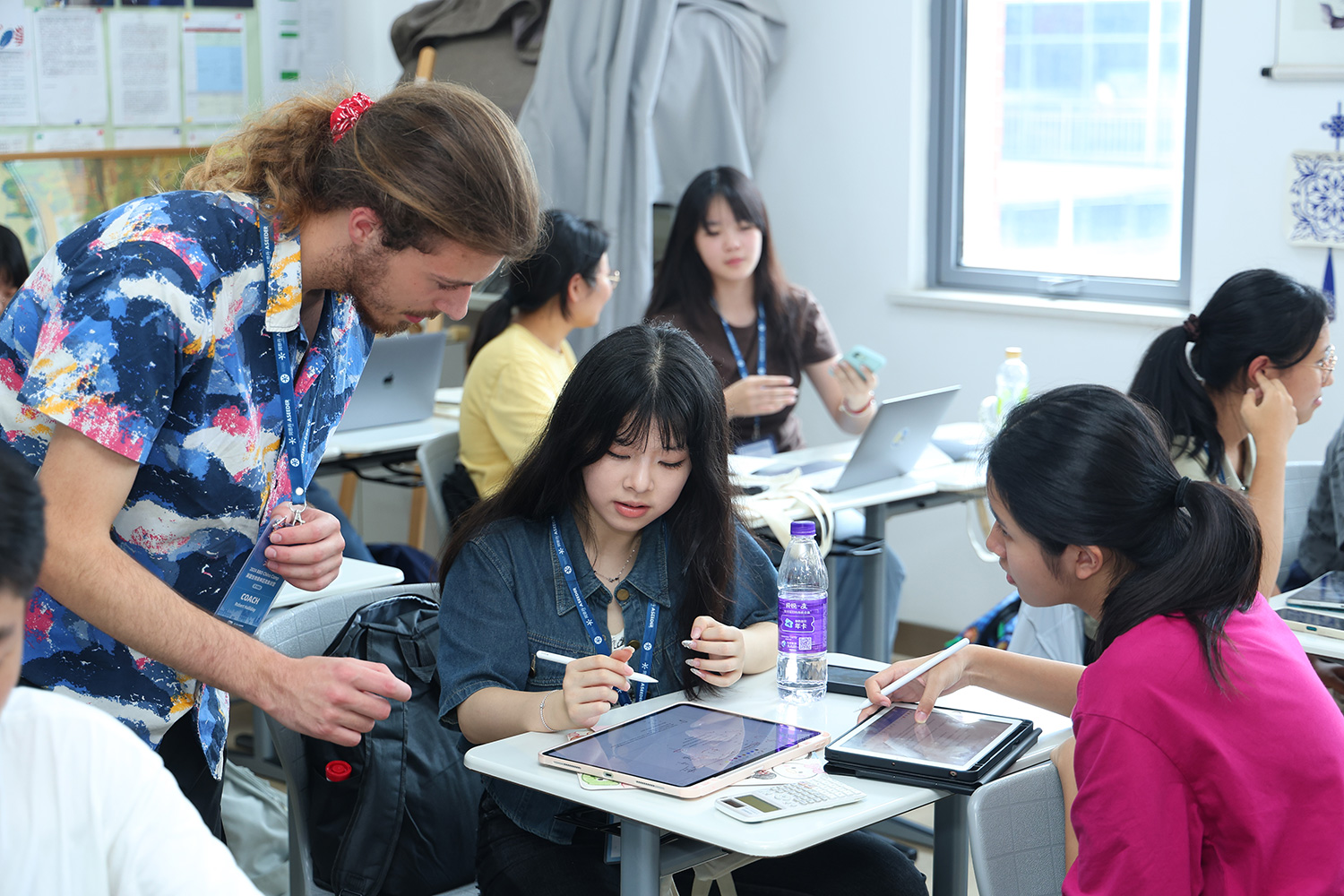
In 2025, for the first time, the British Biology Olympiad Committee (UKBC) and ASEEDER will introduce this globally top-level academic iBO Camp to China,which has since received widespread acclaim.The camp will continue to adopt the same academic content and teaching methods as the local camps in the UK, guiding students to explore biology in depth, learn biological research methods through hands-on experiments, and provide advanced guidance for potential future biologists.The topic includes:microbiology, photosynthetic pigments and electromagnetic spectra, neurobiology, enzyme kinetics, biochemistry, and other topics. After each lecture, students will participate in relevant biological experiments and verify conclusions through methods such as conducting experiments, observing phenomena, and analyzing data. The practical session of this camp is an advancement and supplement to biological assessments, which is avaluable opportunity for Chinese students with less experimental experience.
Academic Highlights
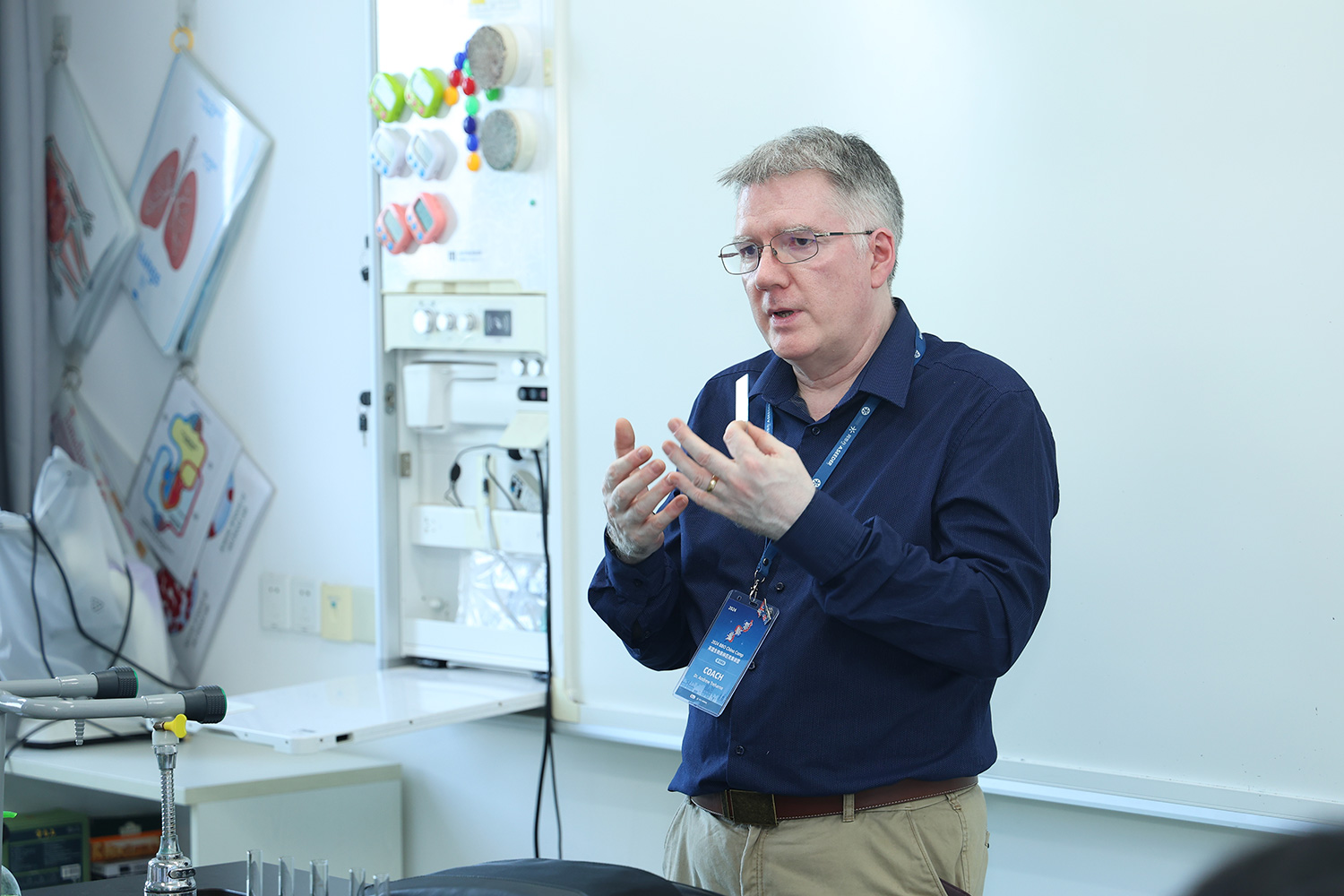
The iBO Asia Camp will be fully guided and led by Dr Andrew Treharne. As a key architect of the UK biology competition system and the long-time head coach of the IBO UK national team, Dr Treharne’s direct involvement ensures that the camp meets the highest standards in academic rigor, competition integrity, and alignment with international practices.

Dr. Andrew Treharne
Core member of Royal Society of Biology (RSB) | The chairman of BBO | The head coach of UK national team
Dr Andrew Treharne is one of the most influential central figures in biological education for secondary students in the UK and within the International Biology Olympiad. He holds a PhD in Biometrics and Genetics, is a core member of the Royal Society of Biology (RSB), served as Chair of the British Biology Olympiad (BBO) for 14 years, and is the overall leader and head coach of the UK national team for the International Biology Olympiad.
Over the past decade, Dr Treharne has continuously led the development and advancement of the UK’s biology competition system. He not only oversees BBO exam design, marking, competition operations, and fairness, but also manages the multi-stage selection process to identify top candidates for the national team. He has led the UK team to 10 times International Biology Olympiads, achieving multiple gold and silver medals as well as other outstanding results.
He is widely regarded as a key figure in promoting biology education for young people in the UK, shaping the international competition framework, and nurturing the next generation of biological scientists.
“Most of the camp is spent in the laboratory, I give an introductory lecture before they go into the laboratory each time, and the laboratory experiments some are familiar to the students but we develop the ideas, and we go into more detail with more sophisticated analysis. Some of the experiments are things they wouldn't normally do in school, perhaps they would do at university; some of the techniques they wouldn't do in school normally, so we help them to find some additional interests to develop their existing skills and to enjoy the science, enjoy each other's company as well.”
—— Introduction to the iBO Camp From Dr. Andrew Treharne
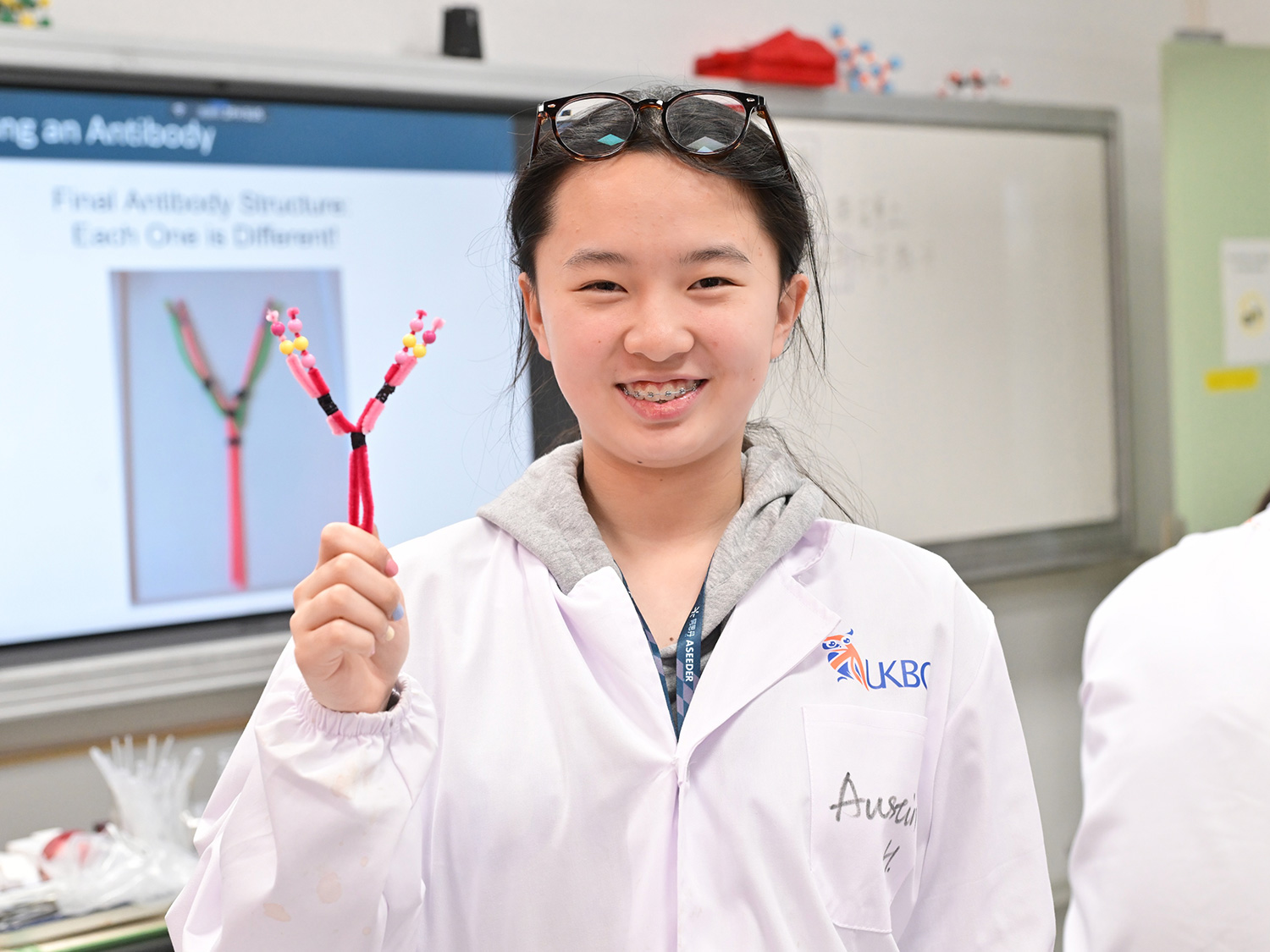
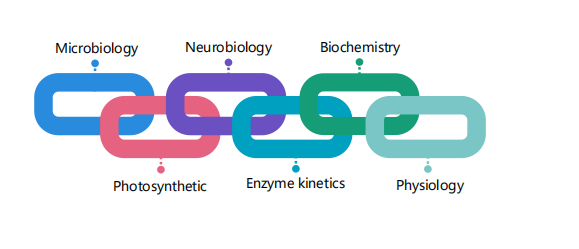
The iBO Camp is structured around the International Biology Olympiad framework, integrating a wide range of globally relevant topics into its curriculum, including Microbiology, Neurobiology, Photosynthesis and Enzyme kinetics, Biochemistry, and Physiology. Each advanced theoretical module is closely paired with its corresponding experimental practice: students may observe microbial structures under the microscope, explore energy absorption mechanisms through pigment separation and spectral analysis, investigate neural signal transmission via electrophysiology experiments, or analyze reaction rate changes in biochemical pathways through enzyme kinetics experiments.
In this chain-based learning model—“thematic lecture → research hypothesis → experimental validation → data analysis → scientific conclusion”—students enter the world of biological science as true “future researchers.” They do more than absorb knowledge: through hands-on experimentation, data collection, and analytical reasoning, they test their own scientific hypotheses and experience firsthand the logic and excitement of scientific research. This process nurtures lasting academic curiosity and cultivates genuine innovative capacity. IBO is recognized as a preparatory challenge for the British Biology Olympiad (BBO), positioned on the same advanced training pathway. The curriculum, experimental design, and academic rigor of this camp are fully aligned with the BBO syllabus and IBO international standards. Its purpose is to identify, cultivate, and channel top talent for the future BBO, preparing students to compete at the highest level. Through this intensive training, participants gain early exposure to the pace and demands of elite competitions, laying a solid foundation for pursuing global gold award in BBO. iBO represents both the pinnacle of preparation and the launching point for BBO success. The iBO Camp is the pinnacle of iBO achievement—and the launching point for success in the BBO!
Selective Invitations: The iBO Asia Camp is exclusively open to Chinese students who won award at the iBO. It provides a platform for academic communication and collaborative teamwork among top-performing peers. Here, you can inspire and challenge one another while working together in a focused, high-achieving environment.
Limited Seats: Only 60 seats are available for the iBO Asia Camp, Registration closes once all spots are filled. This is not only an opportunity for challenge and learn from one another but also a chance to establish valuable academic connections for the future.

Academic Modules
Guidance from British Biology Olympiad Coaches
All instructors are coaches from the British Biology Olympiad National Team, with extensive experience participating in and coaching students for the iBO and International Biology Olympiad. They have an in-depth understanding of international biology competition syllabi and training methodologies. Many of the coaches visiting China are also pursuing further study and research across a range of biology-related disciplines, giving students valuable insights into university study and future career pathways through academic interaction.
International Biology Olympiad-Level Training
The camp covers a range of topics aligned with the International Biology Olympiad syllabus, including Microbiology, Neurobiology, Enzyme Kinetics, Biochemistry, Bioinformatics, and more. Under the guidance of experienced coaches, students will engage in advanced biological exploration and develop a deeper understanding of biology through both theoretical learning and practical investigation.
Hands-on Biology Experiments & Simulations
Nearly 50% of the iBO Asia Camp curriculum is dedicated to laboratory-based learning. The experiments are closely integrated with the academic sessions. Following each thematic course, students will apply experimental design, observation, and data analysis to investigate biological phenomena and draw evidence-based scientific conclusions.
Previous Lab Projects
* Below are introductions of past lab projects. Specific practical lab courses are subject to adjustment based on actual circumstances.

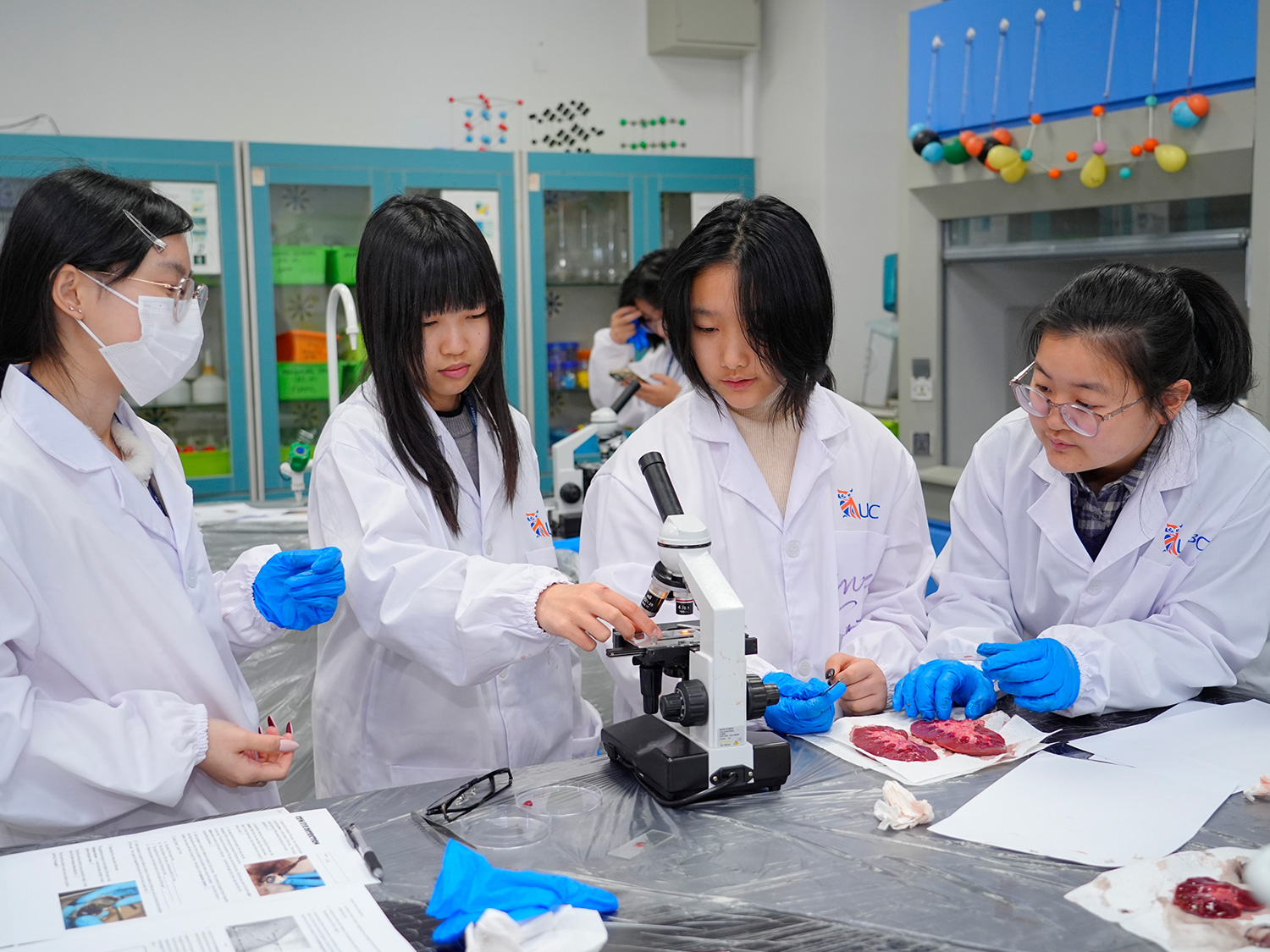
Microscopy & Measurement
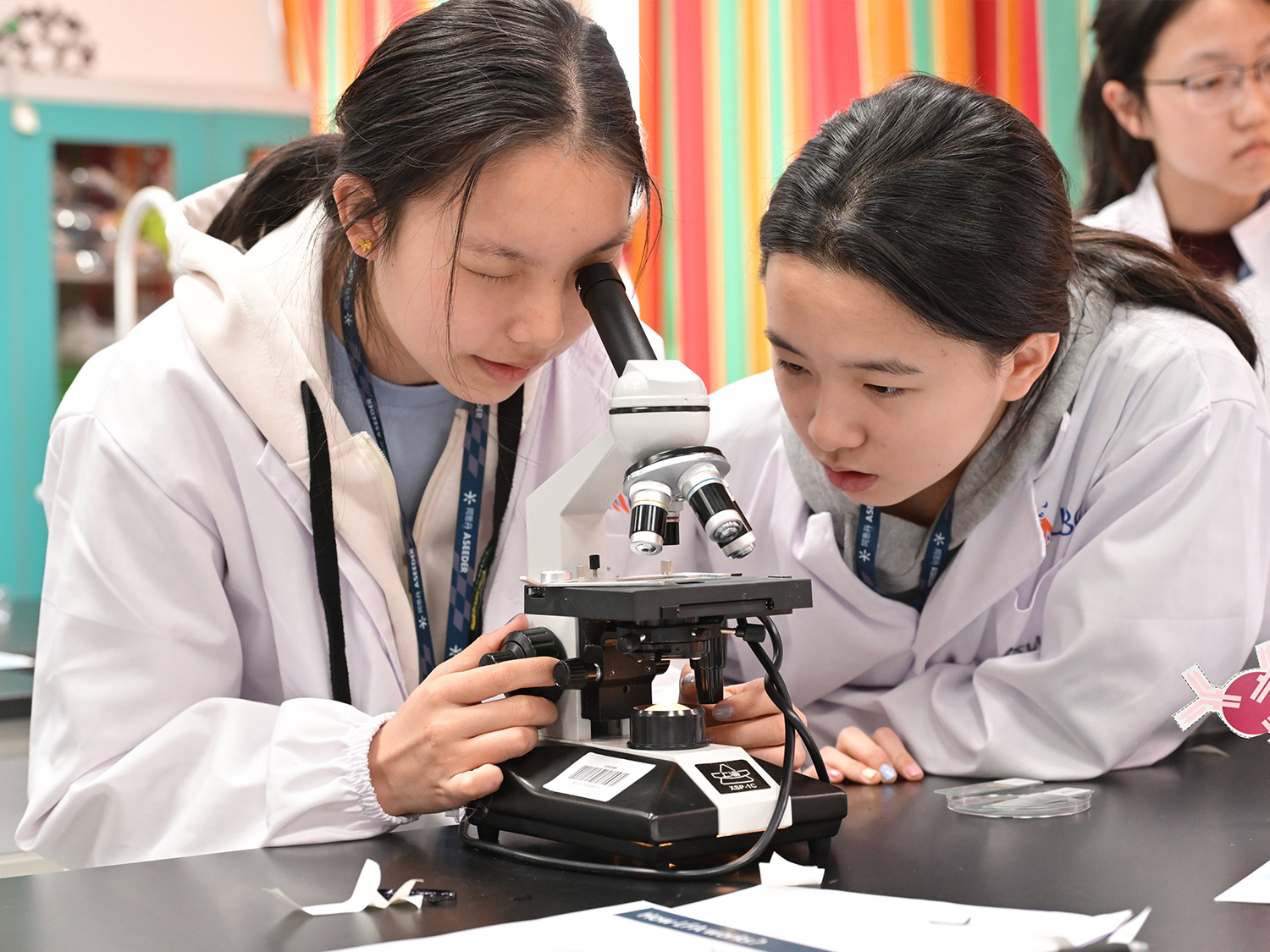
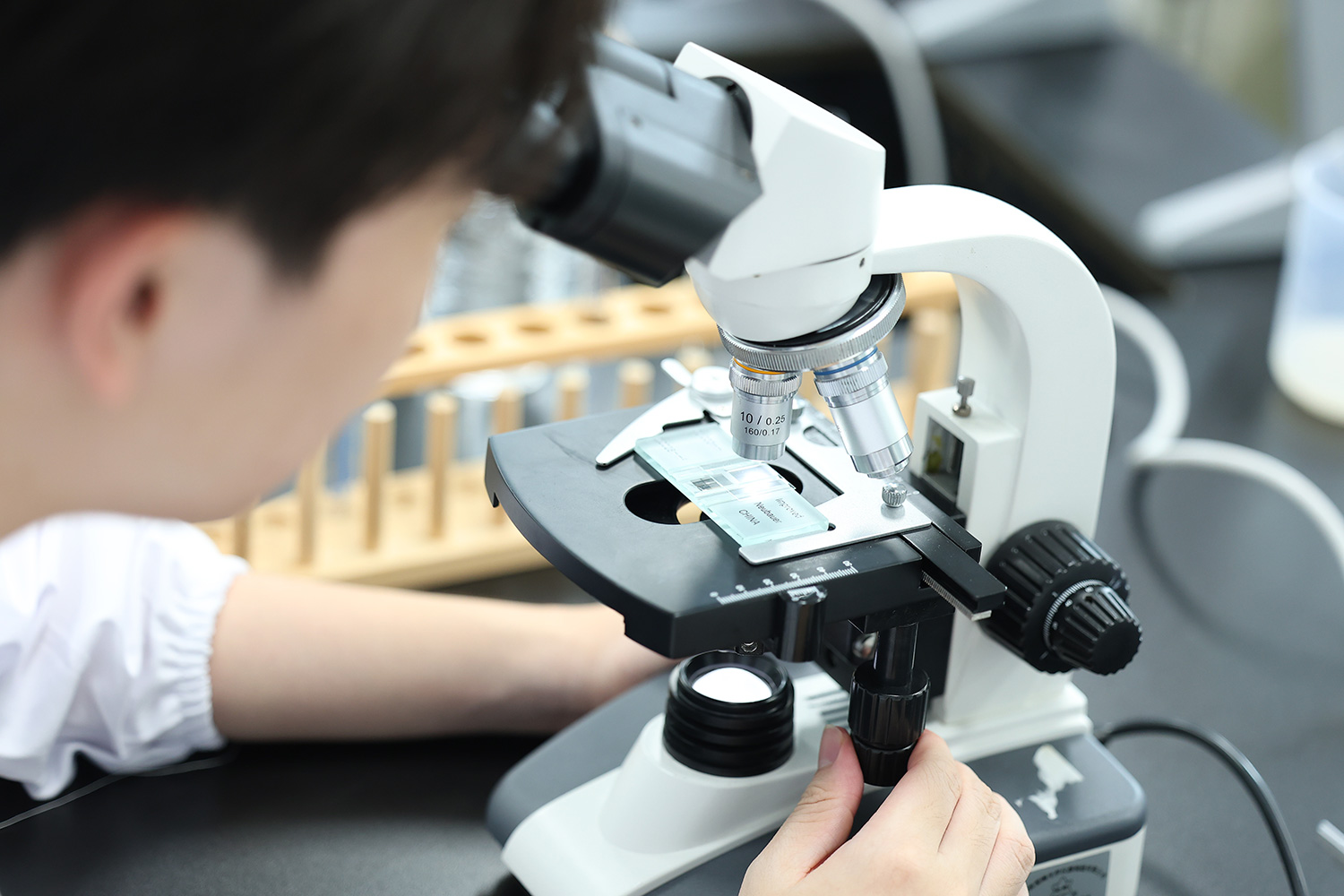
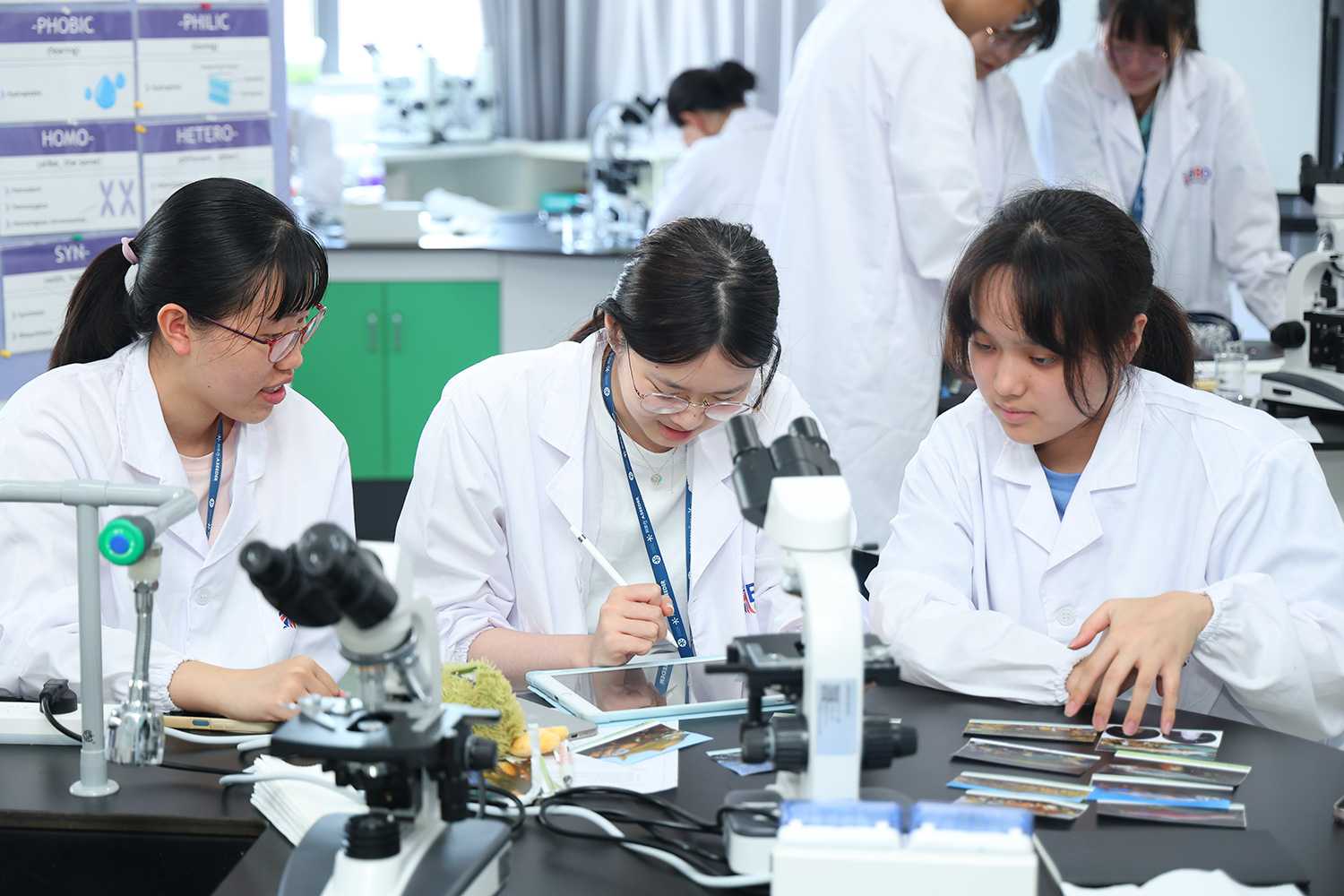
Master microscope operation and micrometer calibration, perform specimen preparation, precise observation and data conversion. Cultivate skills in scientific observation and quantitative analysis through standard experimental procedures.

Heart Rate Investigation
Observe physiological responses and record data changes through human exercise‑based tests and Daphnia heart‑rate experiments. Grasp regulatory mechanisms of organisms by conducting controlled‑variable experiments and analysing results.

Cancer Diagnosis and Targeted Therapy
Detect HER2 gene amplification via PCR amplification and gel electrophoresis. Analyse ER expression using immunofluorescence images, and design matched targeted‑therapy regimens for patient samples. Comprehend the practical logic behind modern biomedical technologies.

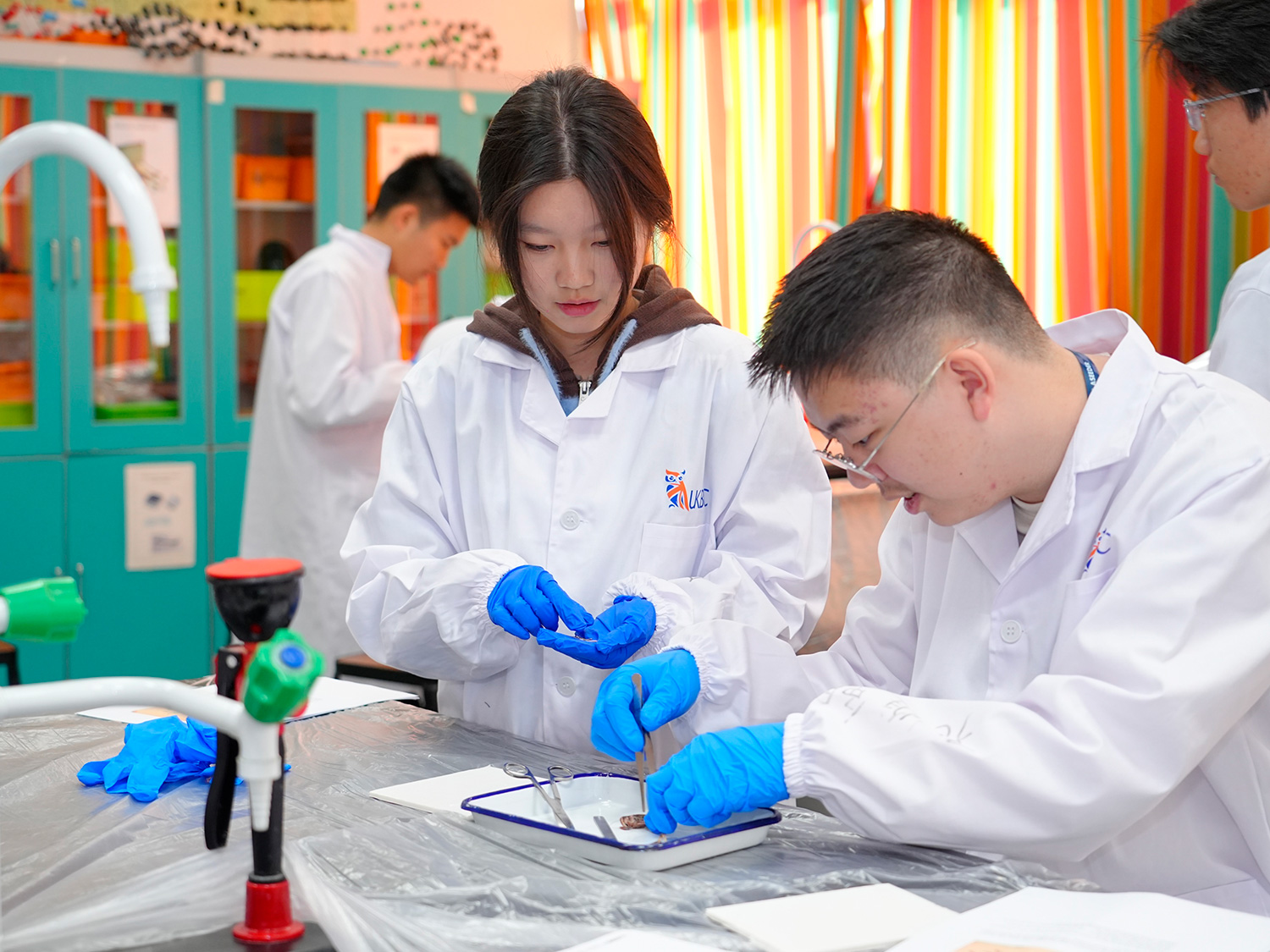
Dissection: Animal Anatomy and Structural Exploration
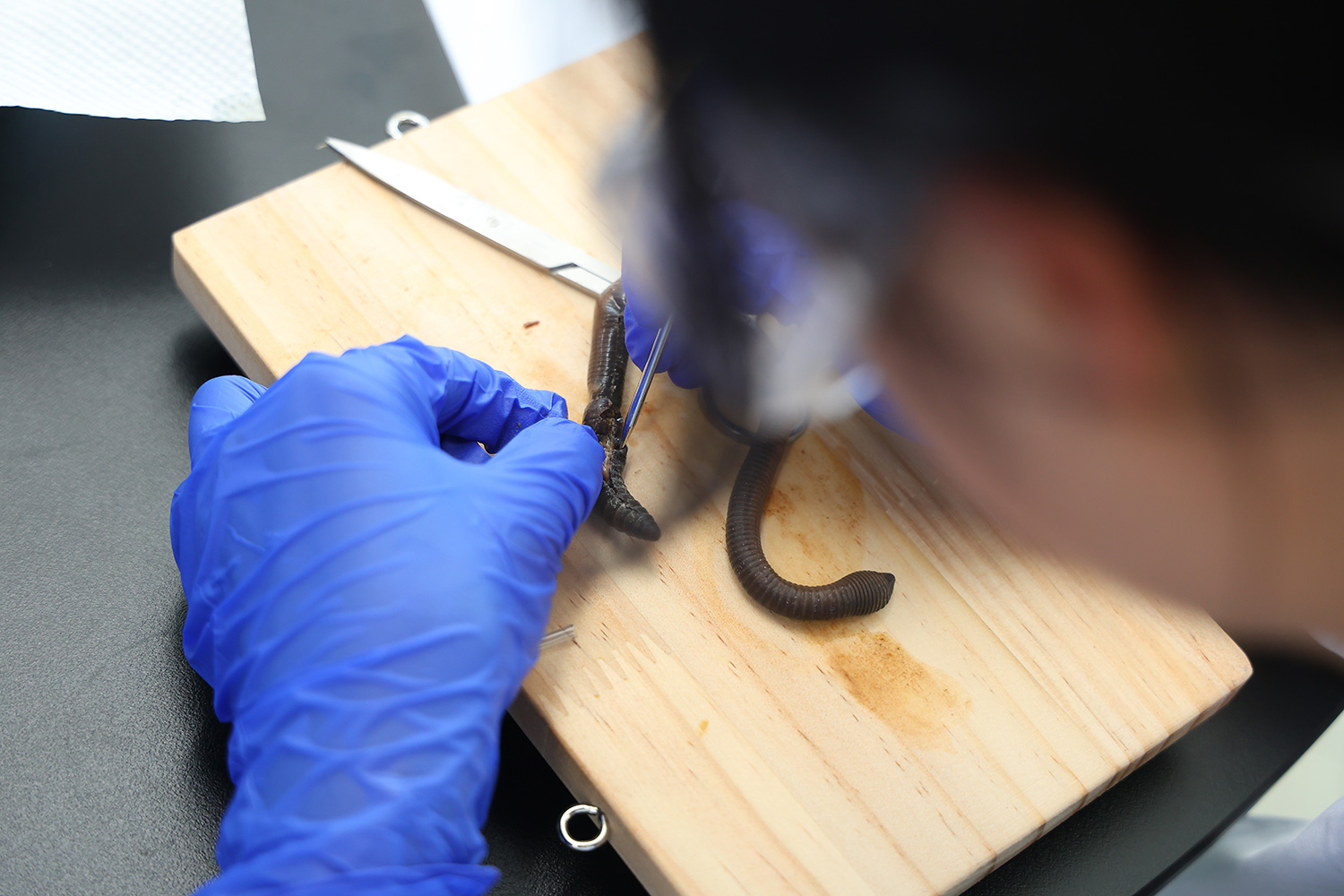
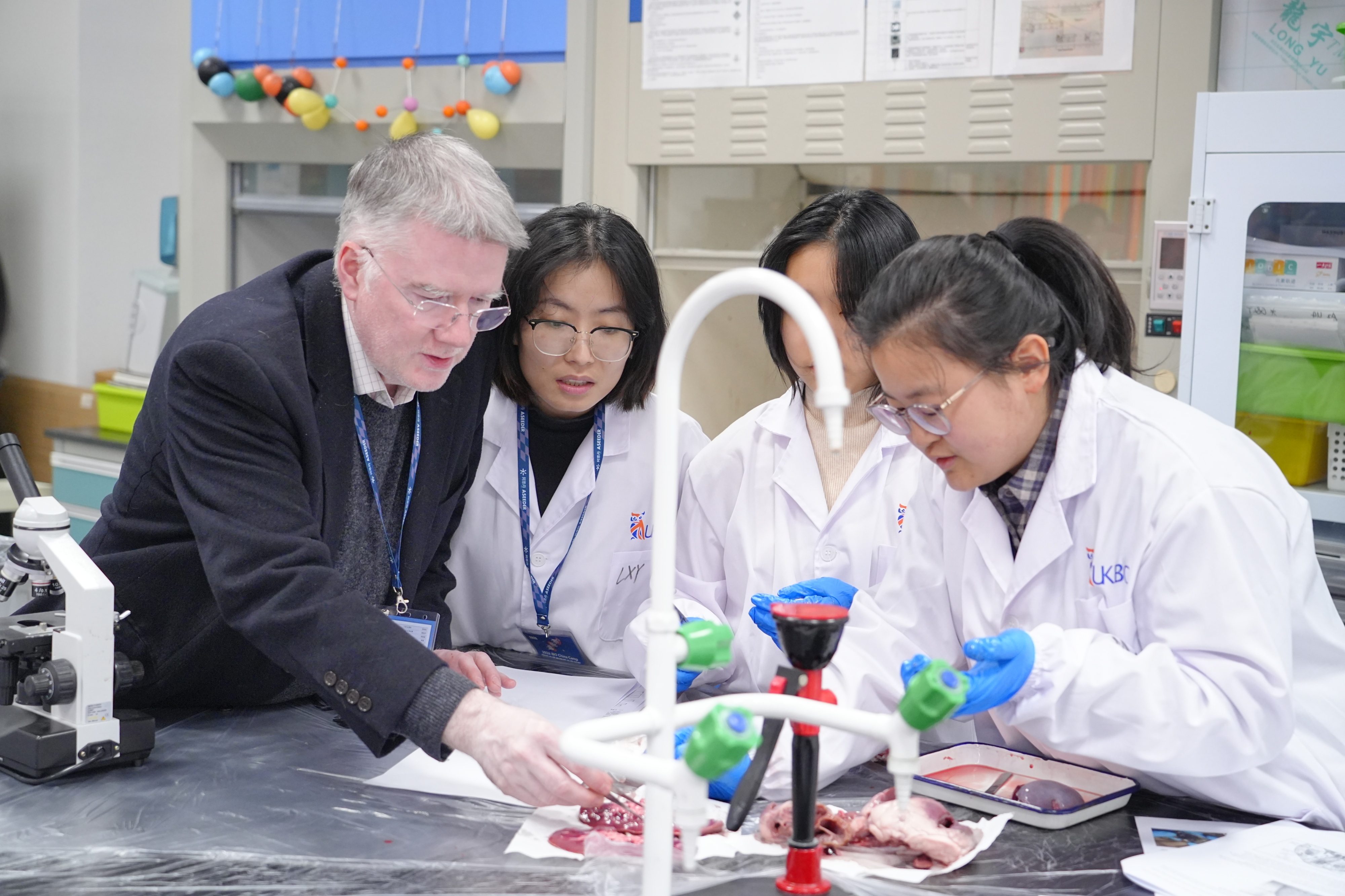
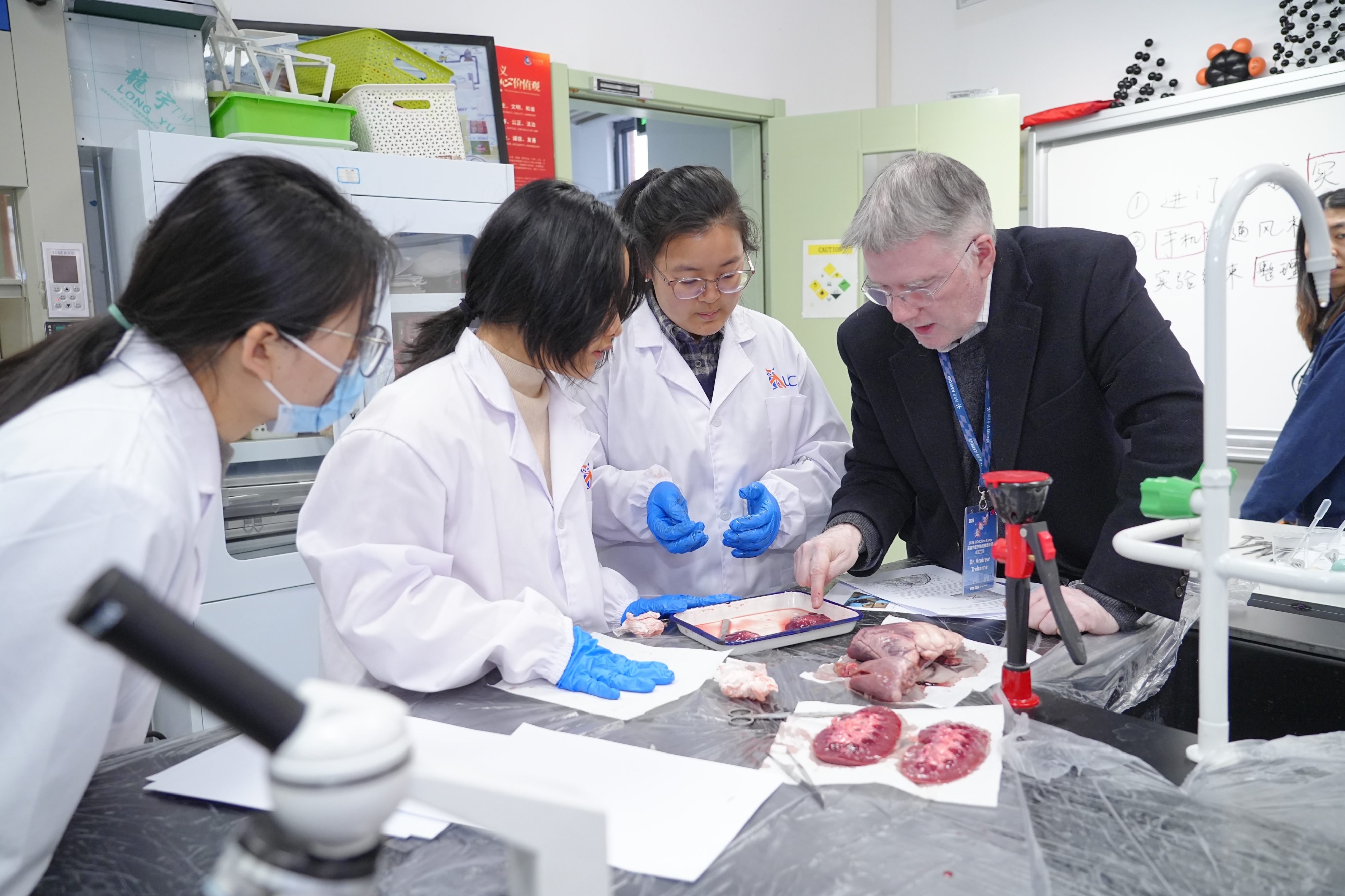
Conduct dissections of various animal specimens to observe organ structures and tissue characteristics. Develop standard laboratory skills and understand the correlation between biological structure and function via cross‑species comparison.

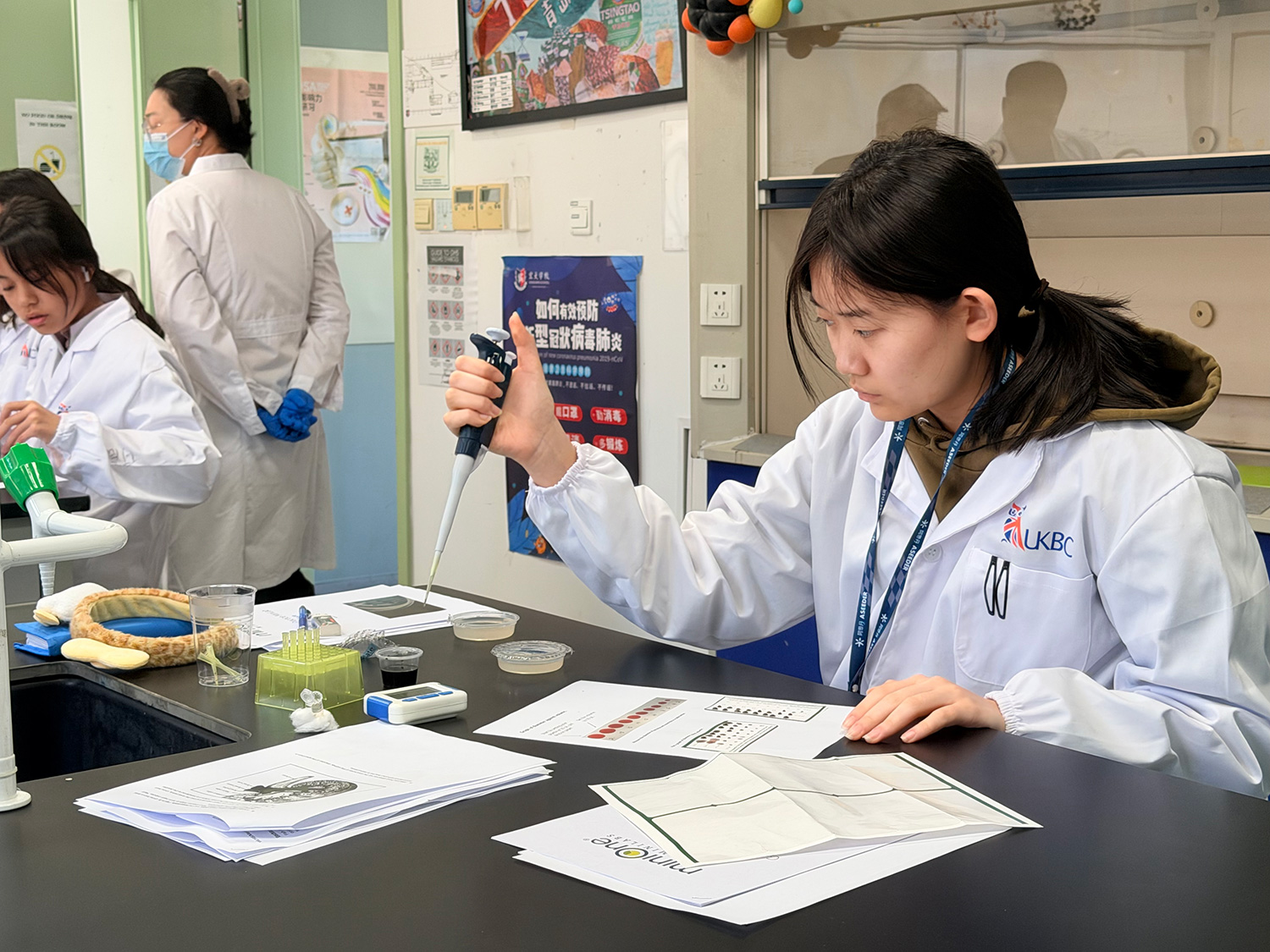
Micropipetting Techniques
Systematically study the structure and operation of micropipettes. Practice volume setting, liquid aspiration and dispensing across varied parameters. Hone precision and proficiency in micro‑volume liquid transfer through gel‑loading hands‑on practice.
Schedule
| Day 1 | Day 2 | Day 3 | Day 4 | Day 5 | |
|---|---|---|---|---|---|
| Morning | 9:00-10:00
Opening Ceremony and Introductory lecture |
9:00-10:00
Lecture: Measuring and Counting Using aMicroscope |
9:00-10:00 Lecture: circulation system |
Experiment 7: Cancer Diagnosis and Targeted Therapy
Students will be divided into two groups, alternating between microscope observation experimentsand simulated experiments on cancer diagnosis and targeted therapy. |
Exploring Evolution with DNA- BLAST Workshop |
| 10:00-12:00
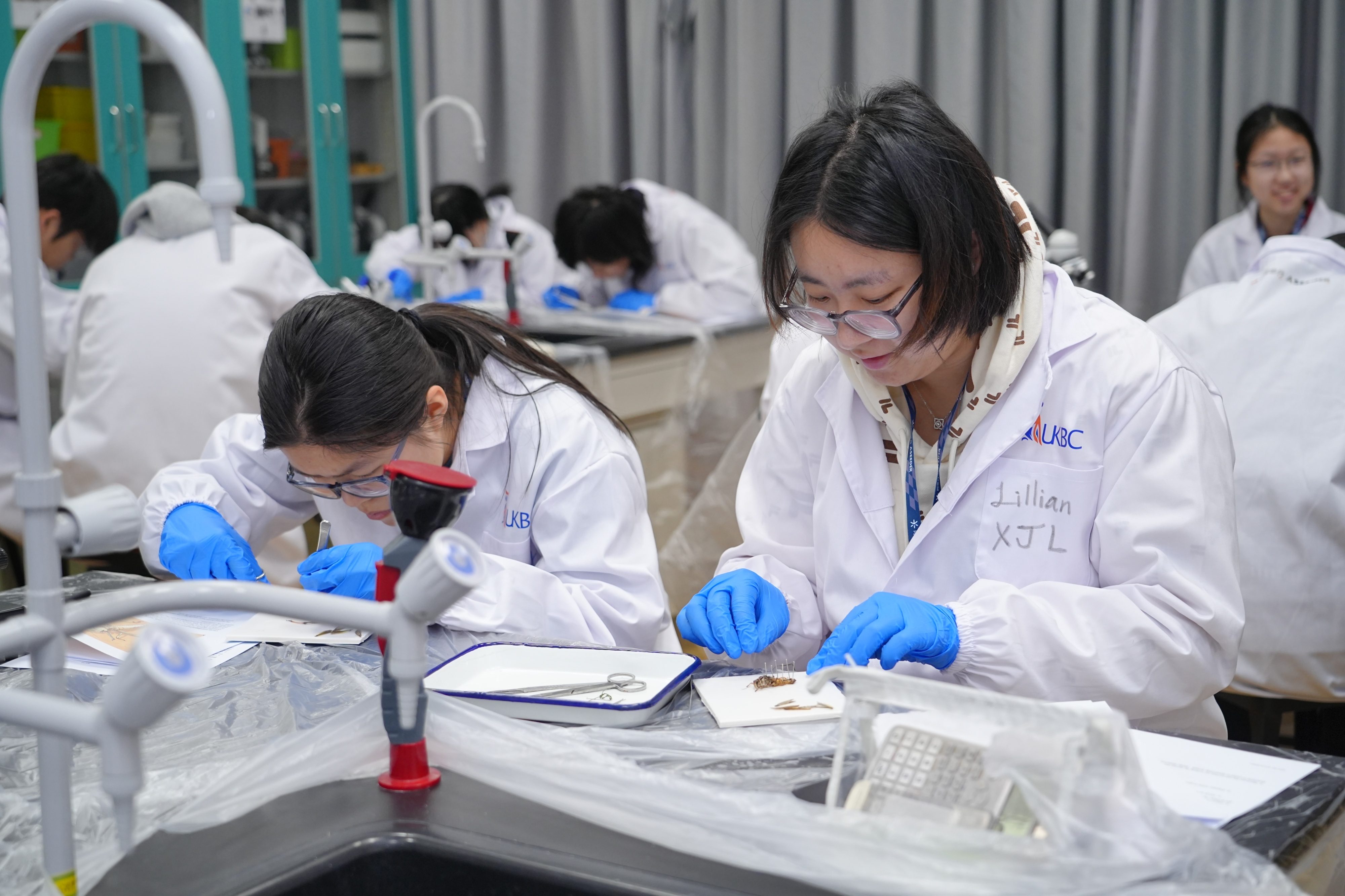
Experiment 1: Dissection 1 Students gained a clearer understanding of the physiological structures of aquatic organisms and arthropods through dissecting crucian carp and locusts. |
10:00-12:00
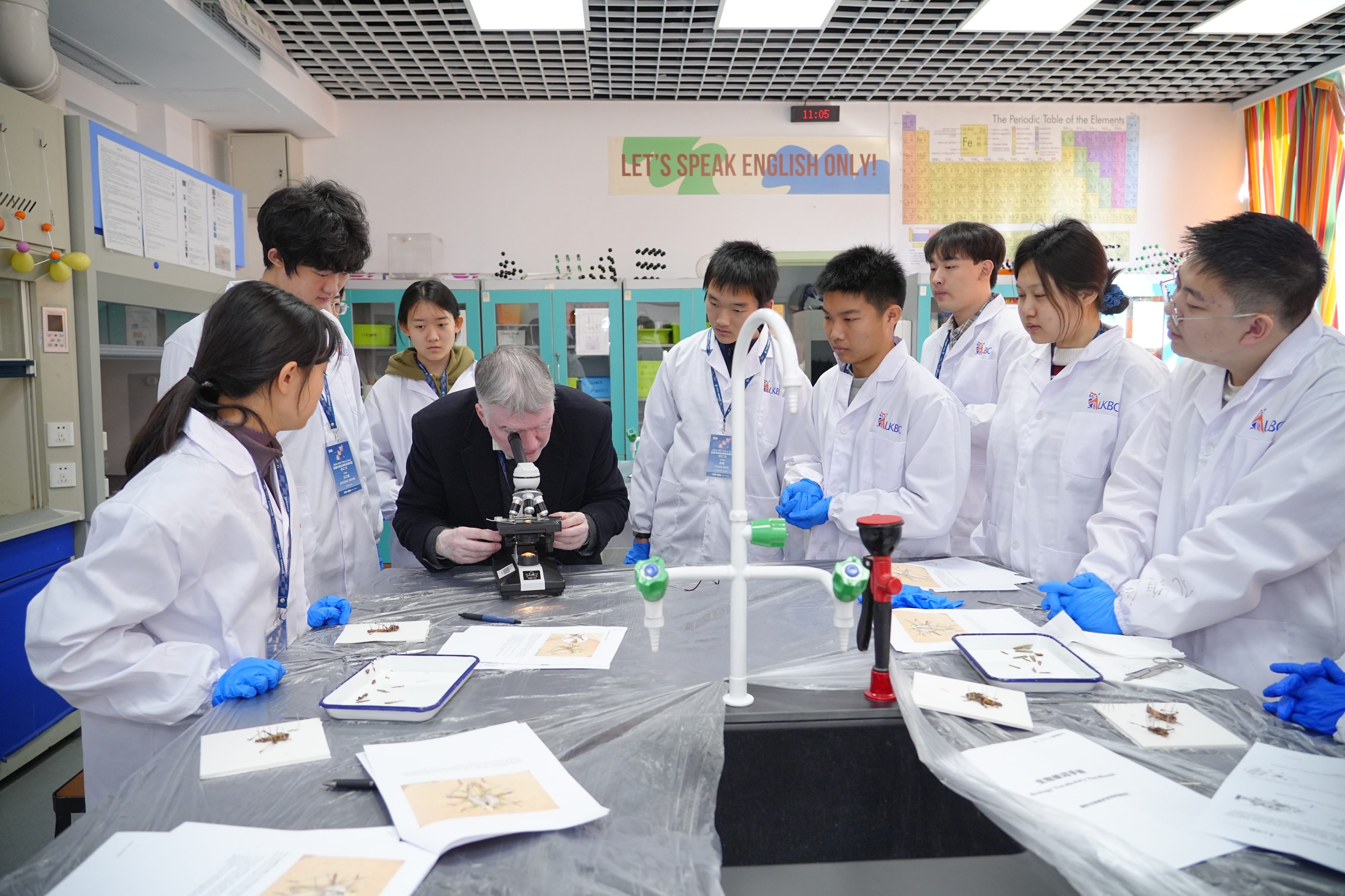
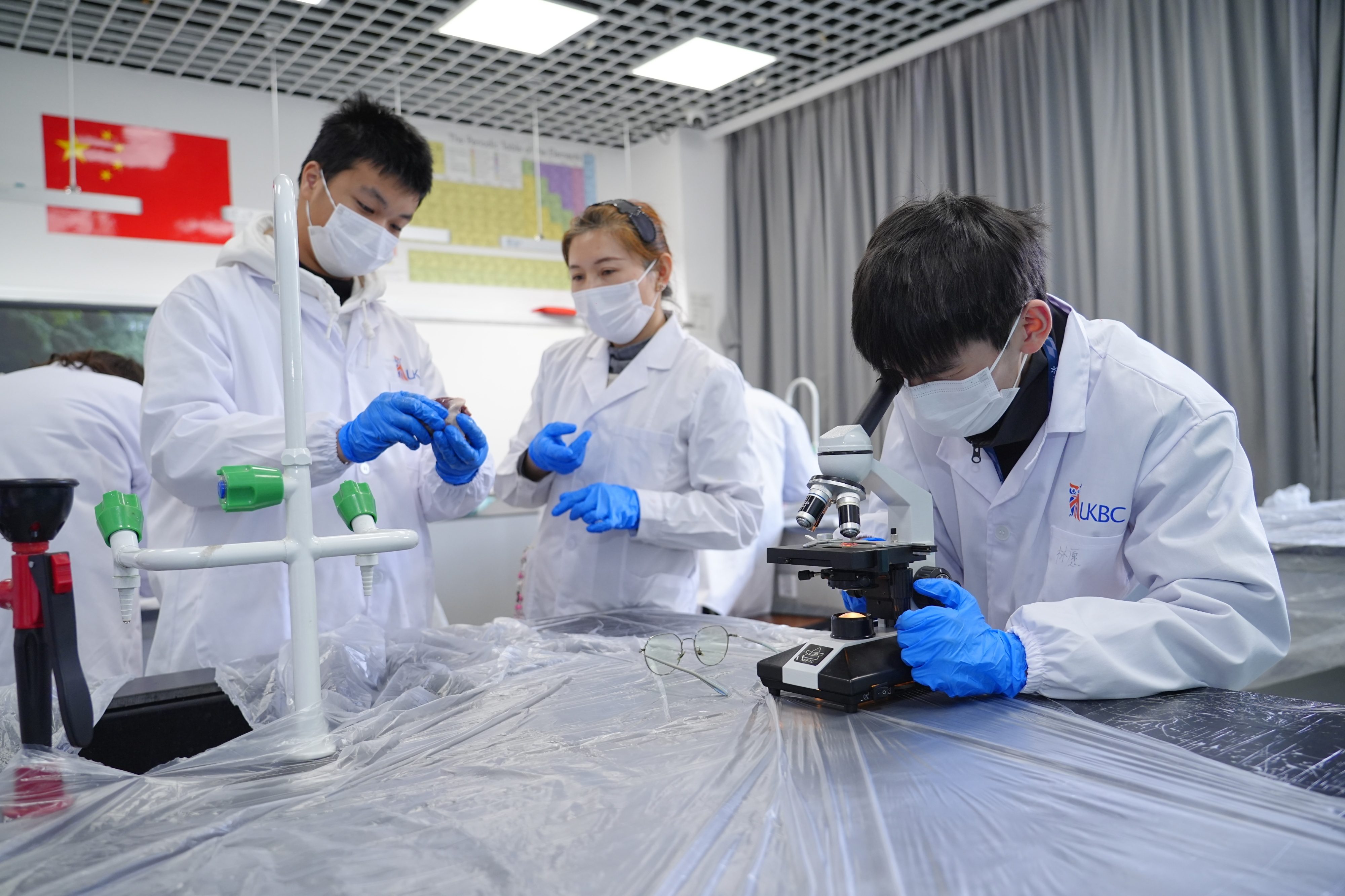
Experiment 3: Microscope 1 Students will learn microscope measurementtechniques and operational skills. |
10:00-12:00
Experiment 5: Investigation into Factors Affecting Heart Rate The course design begins with the humanbody itself and explores changes in the flea'sheart rate, enabling students to gain a directappreciation of the wonders of physiological regulation. |
|||
| Noon | Lunch | ||||
| Afternoon | 14:00-15:00 Lecture: Dissection Instruction |
14:00-15:00
Experiment 4: Microscope 2 |
14:00-15:00
Lecture: Learning the Structure and Proper Use of |
Experiment 7: Cancer Diagnosis and Targeted Therapy
Students will be divided into two groups, alternating between microscope observation experimentsand simulated experiments on cancer diagnosis and targeted therapy. |
14:00-15:00 Review theory paper: Applying and ExplainingBiological Concepts |
| 15:00-17:00
Experiment 2: Dissection 2 The afternoon session focused on dissecting animal organs (eyeball, kidney and heart) , deepening students' comprehension of the intricate design of animal organs. |
15:00-17:00
Theory paper: Practical Application and Concept Clarification |
15:00-17:00 Experiment 6: Micropipettes Students will learn the construction and operation ofmicropipettes, followed by hands-on practice in theprocess of adding samples to gels. |
Closing Ceremony | ||
* Thescheduleistentativeandsubjecttominoradjustmentsbasedonactualcircumstances.
Student Reflections
“My biggest takeaway from this camp is learning to stay curious. With that curiosity, I’m much more willing to dive into the subject. Especially after doing the experiments, I realized this is truly what I love. My future goals have become clearer, and I now feel more motivated to work toward my dreams. The most memorable part of the camp was the dissection class. I had always wanted to try dissection sat school, but we never had the chance. Here, we dissected a fish heart and a cow eye—it was incredibly exciting!Once your foundational knowledge is solid, you can clearly identify every structure, which gave me a huge sense of accomplishment.”
— Student Peng
“The iBO Camp goes much deeper than our regular school classes, which tend to focus more on theory. Here, the experiments are more frequent and more precise, whereas school experiments are limited and often rely on theory to fill the gaps. That’s why the iBO Camp feels truly meaningful.”
— Student Zhao
“My biggest gain from joining the iBO Camp was learning so many new biological concepts that I didn’t know before, and experiencing a lot of hands-on experiments that led to real results. I also made many new friends. After actually doing the experiments myself, I understood the knowledge much more thoroughly.”—Student Lu, Guiyang No.1 High School International Department
— Student Lu
Participant Information
Programme Fee
The programme fee includes tuition and academic materials, but does not cover logistical expenses such as hotel accommodation, meals, transportation, etc.
* ASEEDER will provide logistical services for students. When logistical registration opens, students will be informed by message, email, etc
Registration Deadline
Three weeks before the programme begins.
* Places on the camp are limited and registration will close once all places have been filled. Applications submitted after the deadline will be considered a voluntary withdrawal from participation.