Qualification

BBO&BIO-USACN

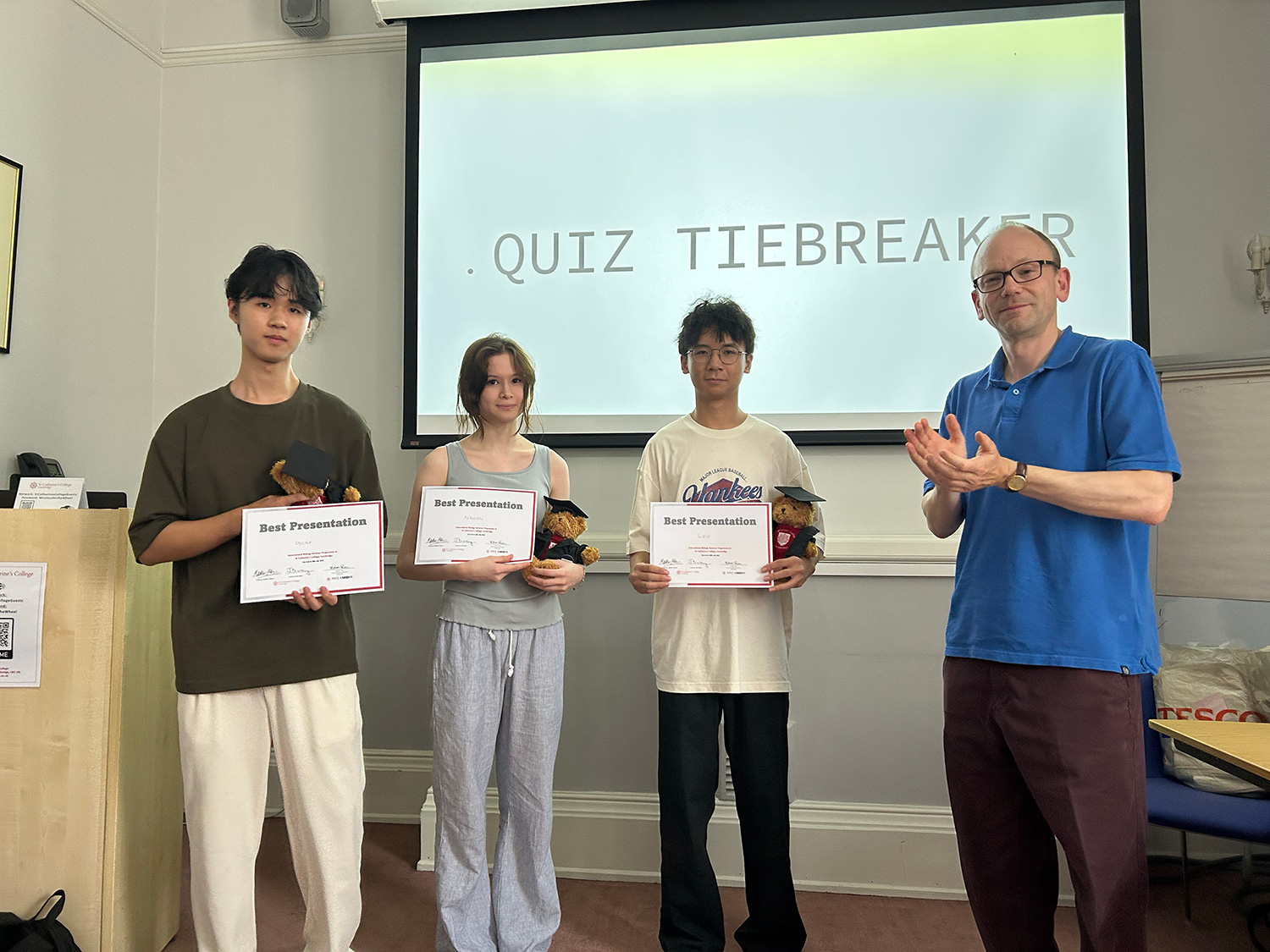
Award Winners in BBO&BIO-USACN by Invitation

Date

Jul. - Aug. 2027 (TBD)

Location

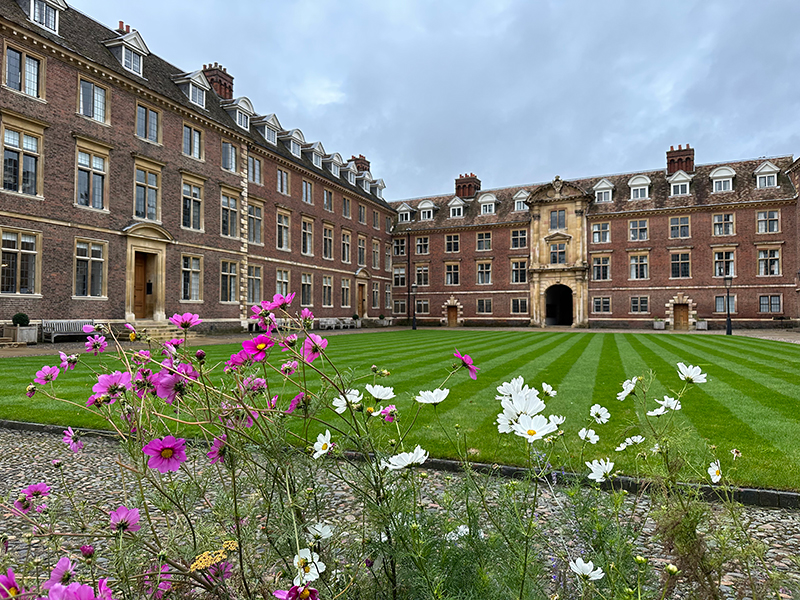
St Catharine’s College, Cambridge, UK

Language

EN

Age

16+

Place

45

Program Introduction

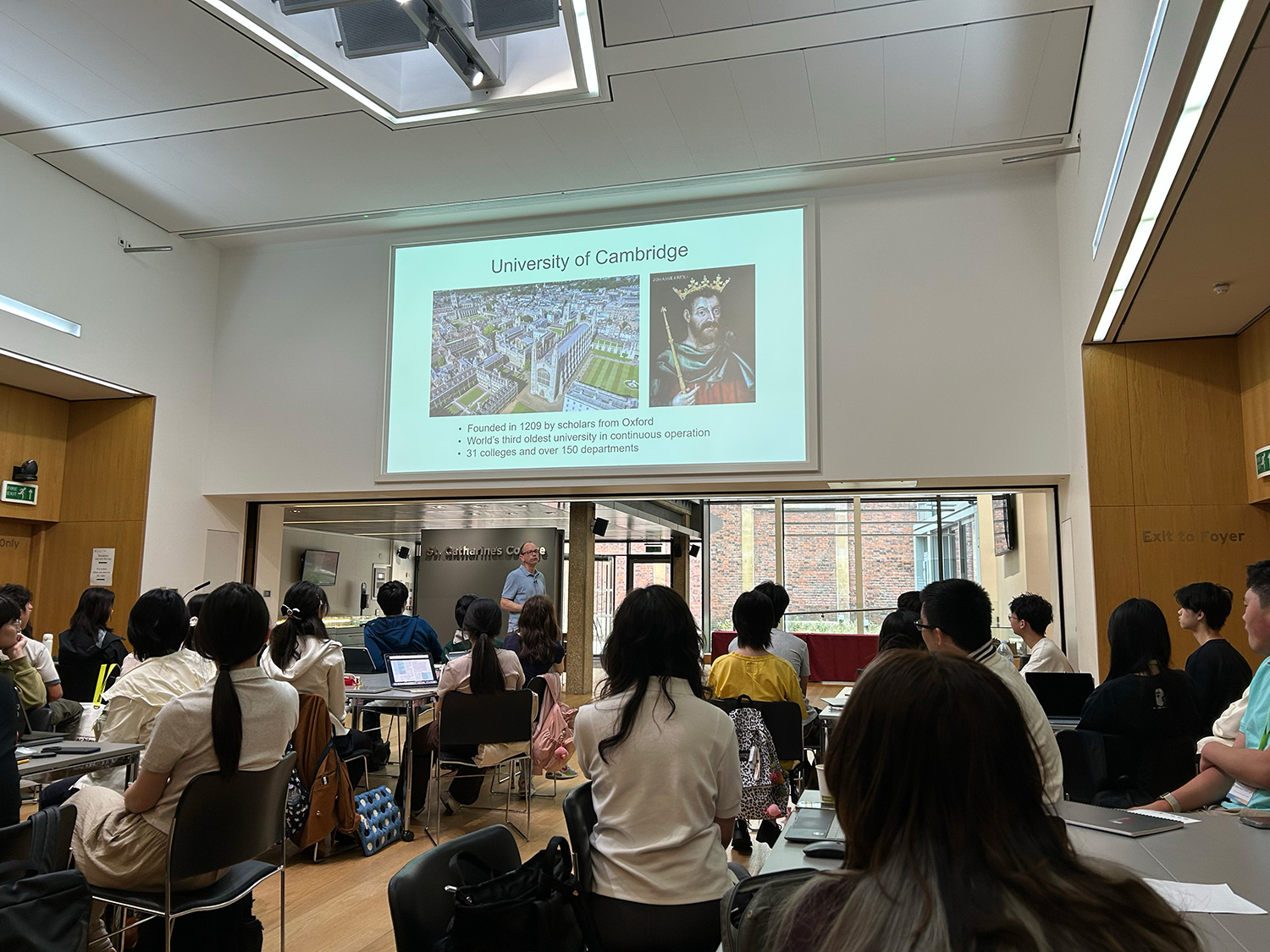
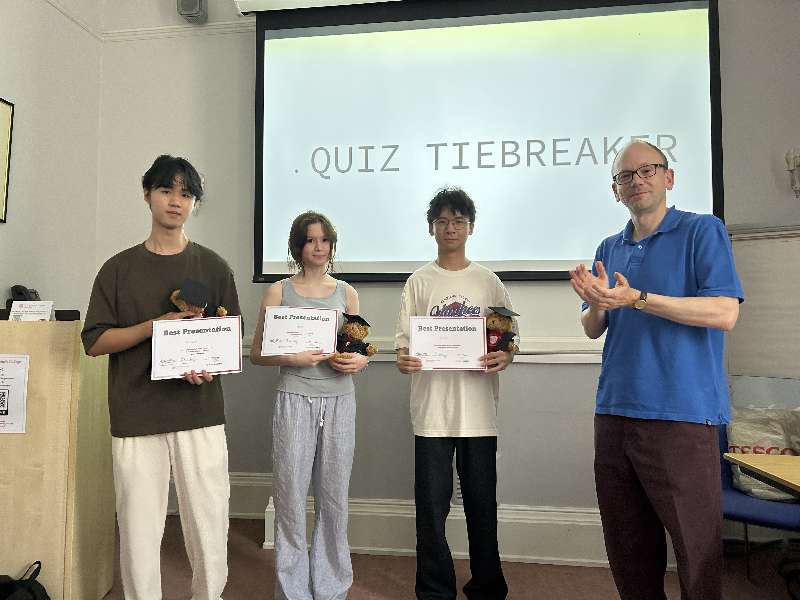
The Cambridge St Catharine’s Biology Camp is designed around the University of Cambridge undergraduate biology curriculum. Over the course of one week, students will have the opportunity to study biology-related topics from the first three years of the Natural Sciences Tripos, including neurobiology, physiology and ecology, alongside five hands-on laboratory sessions, visits to Cambridge laboratories, guest lectures by Cambridge professors, challenging academic tasks, and individual presentations. This offers Chinese students a rare opportunity to enter Cambridge biology laboratories and experience world-class biological education firsthand, while providing valuable preparation for future applications to Cambridge, Oxford, and other leading universities.

Under the guidance of Cambridge professors, students will engage with university-level biology courses and laboratory work, gaining early exposure to undergraduate biology and developing a solid academic foundation for future applications to Oxford, Cambridge, and other world-leading universities.

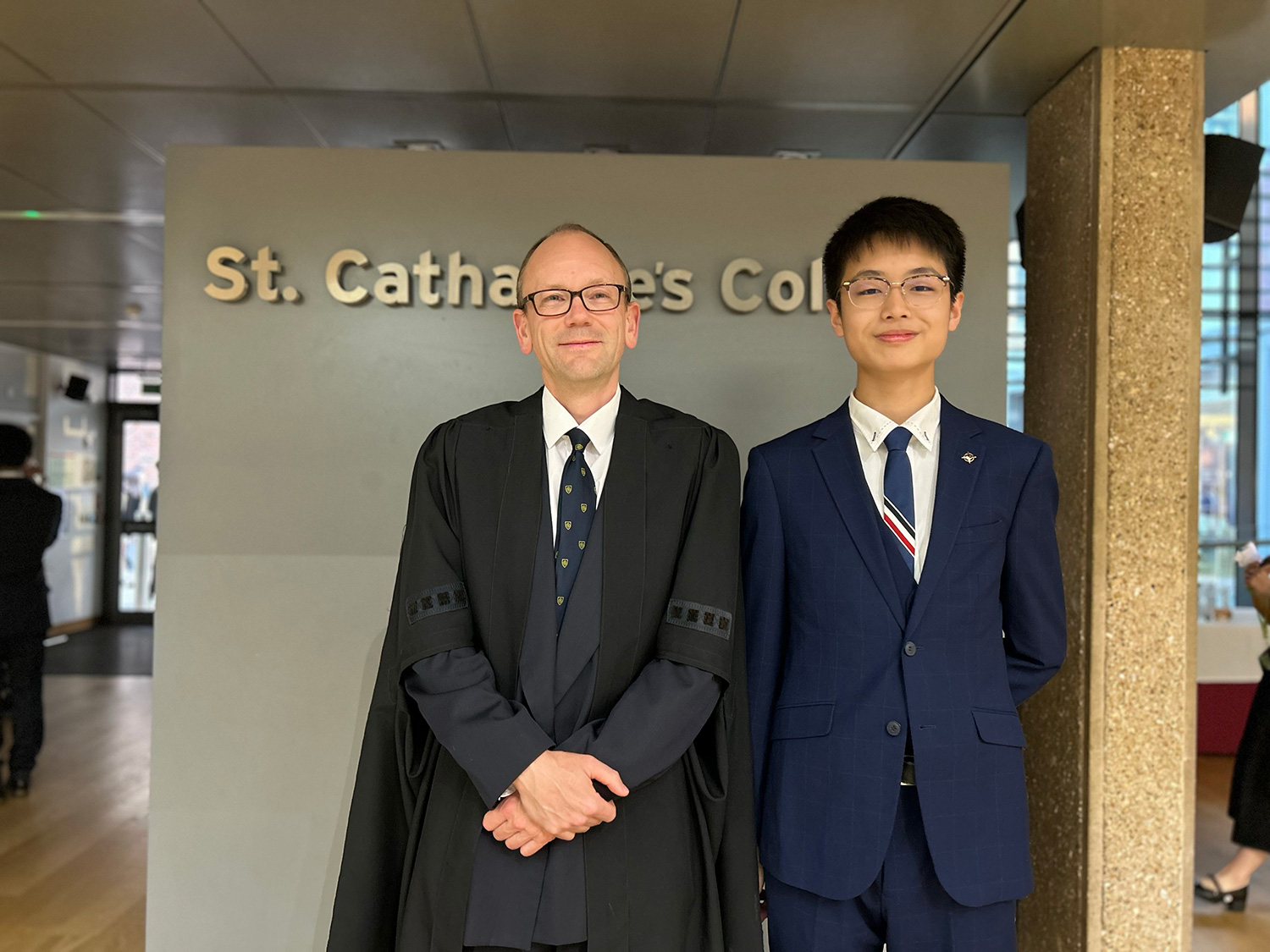
In addition, students will stay at St Catharine’s College, University of Cambridge, immersing themselves in the academic and residential environment of Cambridge. For students aspiring to apply to Cambridge and other leading UK universities, this offers a unique opportunity to combine academic enrichment with cultural immersion. The Cambridge St Catharine’s Biology Camp will also include a traditional Cambridge Formal Dinner, and participants who complete the programme will receive an official Certificate of Completion from St Catharine’s College, University of Cambridge.

Pre-Assessment

British Biology Olympiad (BBO): Jan. 16, 2027 (Sat.), 10:00–11:30, Grade 7-9

Pre-Assessment

USA Biology Olympiad (BIO-USACN): Apr. 3, 2027 (Sat.), 10:30–11:20, Grade 10-12

Academic Highlights

Exceptional Supervisors from Cambridge

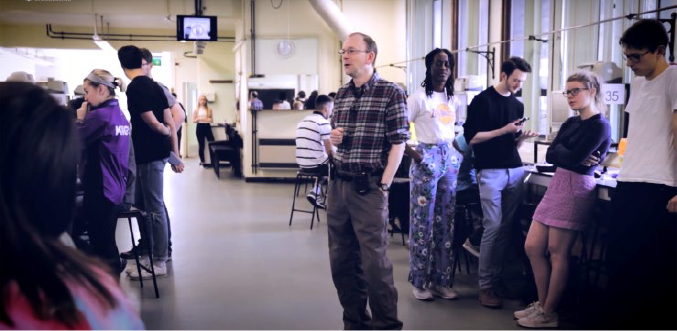
Prestigious professors have been invited to form the excellent team of supervisors for the St Catharine’s College, Cambridge Biology Camp. The faculty team will introduce various biological subjects to students, guiding them to clarify the future academic direction. In addition, they will be joined by more renowned Cambridge professors and lecturers.

Immersive Cambridge Experience

Stay at St Catharine’s College, Cambridge, attend a traditional formal Cambridge dinner, and fully immerse yourself in the one of the world’s most prestigious universities.

Diverse Subjects Inspired by Cambridge Biology for Undergraduates

An intensive week designed to replicate the academic rigor and intellectual environment of Cambridge undergraduate Biology courses.

Official Certificate from St Catharine’s College, Cambridge

Earn a prestigious certificate that recognizes your achievements in exploring advanced Biology concepts.

Application-Oriented Learning

Applied laboratory sessions that integrate theory with practice, reflecting Cambridge’s approach to scientific education.

Introduction to Excellent Program Supervisor

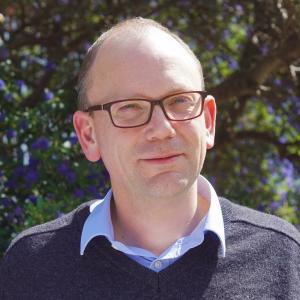
Professor Matthew Mason

  • Fellow of the Royal Society of Biology (FRSB) & Senior Fellow of the Higher Education Academy (SFHEA)
  • Robert Conlin Fellow, St Catharine’s College, University of Cambridge
  • Academic Director of Physiology & Professor of Comparative Physiology, St Catharine’s College, University of Cambridge
  • Director of the University of Cambridge Physiology Teaching Programme, responsible for the planning and coordination of the medical physiology curriculum
  • Recipient of the 2018 Cambridge University Pilkington Prize*
  • Recipient of the 2025 Otto Hutter Physiology Teaching Prize* awarded by The Physiological Society
MORE >
Professor Matthew Mason介绍

Professor Matthew Mason

  • Fellow of the Royal Society of Biology (FRSB) & Senior Fellow of the Higher Education Academy (SFHEA)
  • Robert Conlin Fellow, St Catharine’s College, University of Cambridge
  • Academic Director of Physiology & Professor of Comparative Physiology, St Catharine’s College, University of Cambridge
  • Director of the University of Cambridge Physiology Teaching Programme, responsible for the planning and coordination of the medical physiology curriculum
  • Recipient of the 2018 Cambridge University Pilkington Prize*
  • Recipient of the 2025 Otto Hutter Physiology Teaching Prize* awarded by The Physiological Society

Professor Matt Mason studied Veterinary Medicine as an undergraduate before completing a PhD in Zoology. He subsequently conducted postdoctoral research in the Department of Physiological Science at UCLA, working under the renowned brain researcher Professor Peter Narins. Professor Mason currently serves as Director of the Medical Physiology Teaching Programme at St Catharine’s College, University of Cambridge, where he primarily teaches comparative physiology. He is also a University Physiologist at the University of Cambridge, responsible for planning and coordinating the teaching, examinations, and laboratory courses within the University’s medical physiology curriculum.

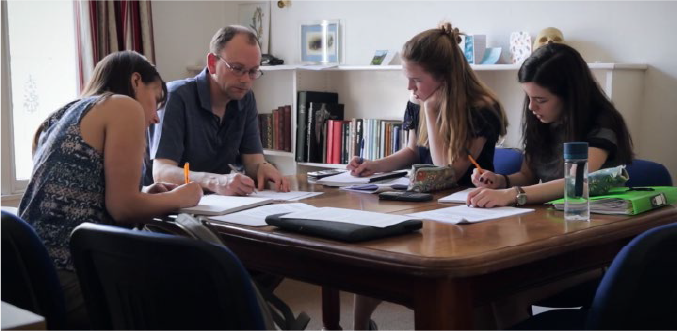
Within the Cambridge supervision system, Professor Mason engages in in-depth discussions with groups of students almost every week, continually refining his approaches to teaching complex physiological concepts. Drawing on his extensive teaching experience, he has developed innovative and effective teaching methods. For example, together with students, he developed the Hippomedics YouTube channel (www.hippomedics.com), which focuses on physiological concepts that students often find challenging. Using animation to illustrate key physiological principles, the platform makes complex concepts more intuitive and accessible and has become popular among students studying physiology. In recognition of his outstanding contributions to higher and medical education, Professor Mason has been awarded the titles of Senior Fellow of the Higher Education Academy (SFHEA), Fellow of the Academy of Medical Educators (FAcadMEd), and Fellow of the Royal Society of Biology (FRSB) by leading professional organizations in the UK.
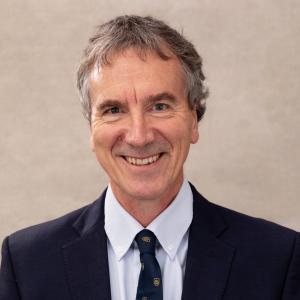
Professor Jeff Dalley

  • Professor of Psychology & Psychiatry, University of Cambridge
  • Academic Director of Neuroscience & Psychology, St Catharine’s College, University of Cambridge
MORE >
Professor Matthew Mason 介绍

Professor Matthew Mason

  • Professor of Psychology & Psychiatry, University of Cambridge
  • Academic Director of Neuroscience & Psychology, St Catharine’s College, University of Cambridge

Professor Jeff Dalley completed the early stages of his academic career in New Zealand and the UK before joining St Catharine’s College, University of Cambridge in 2007, where he has long been involved in teaching undergraduate Neurobiology.His research focuses on the neural mechanisms underlying individual differences in behavioural regulation and their role in psychiatric disorders. His research team combines behavioural experiments, brain imaging, and neuropsychopharmacology to investigate the neural circuits and neurochemical mechanisms underlying impulsivity, attention-deficit/hyperactivity disorder (ADHD), obsessive-compulsive disorder, and addictive behaviours. His work aims to advance the translation of basic neuroscience into clinical psychiatry, with research spanning a range of neuropsychiatric conditions, including schizophrenia, Parkinson’s disease, and drug addiction.
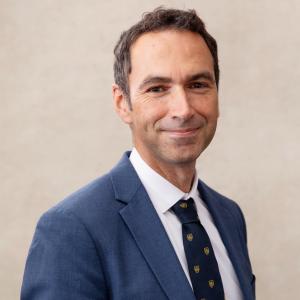
Professor David Aldridge

  • Professor of Zoology and Dawson College Professor, St Catharine’s College, University of Cambridge
  • Academic Director of Biological Natural Sciences, St Catharine’s College, University of Cambridge
  • Co-founder of the UK biotechnology company BioBullets Ltd.
MORE >
Professor David Aldridge 介绍

Professor David Aldridge

  • Professor of Zoology and Dawson College Professor, St Catharine’s College, University of Cambridge
  • Academic Director of Biological Natural Sciences, St Catharine’s College, University of Cambridge
  • Co-founder of the UK biotechnology company BioBullets Ltd.

Professor David Aldridge has long been engaged in research into fundamental questions in theoretical biology and ecology, while placing strong emphasis on the practical applications of scientific research. His work focuses primarily on applied freshwater ecology, including the conservation of rare and threatened freshwater species and ecosystems, the ecological mechanisms and risk assessment of invasive species, and the development of sustainable waterbody restoration and long-term monitoring strategies based on ecological processes. His research aims to address the increasingly serious global challenges of freshwater degradation and biodiversity loss. Professor Aldridge has achieved significant international recognition for his research in freshwater mollusc ecology, invasive species dynamics, and ecosystem service assessment. His work has provided important scientific evidence for aquatic ecosystem management policies in Europe and other regions around the world. His research not only advances fundamental understanding of ecosystem structure and function, but also promotes the practical application of ecological knowledge to environmental management. He is also a co-founder of BioBullets Ltd., an environmental technology company dedicated to developing efficient, targeted, and environmentally friendly biological control technologies for managing invasive aquatic pests. Its technologies have been applied in water management projects across multiple countries. Professor Aldridge consistently emphasizes that applied innovation stems from sustained exploration and in-depth understanding of fundamental biological and ecological principles, demonstrating the close connection between basic science and real-world challenges.

Academic Modules

Academic Module 1: Diverse Subjects Inspired by Cambridge Biology for Undergraduates
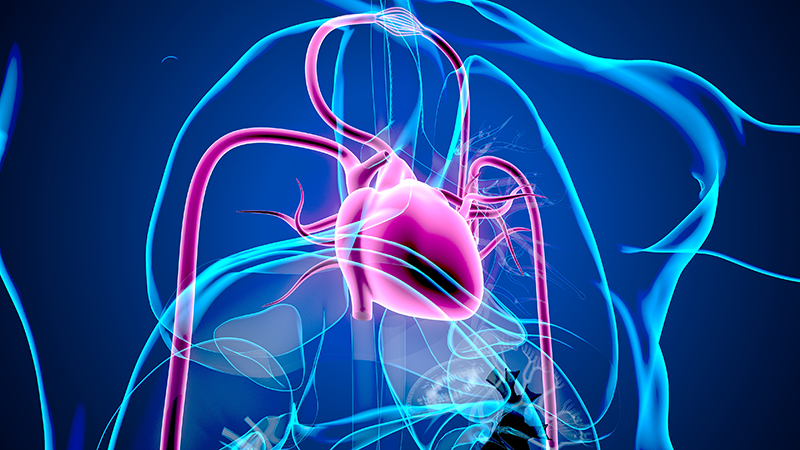
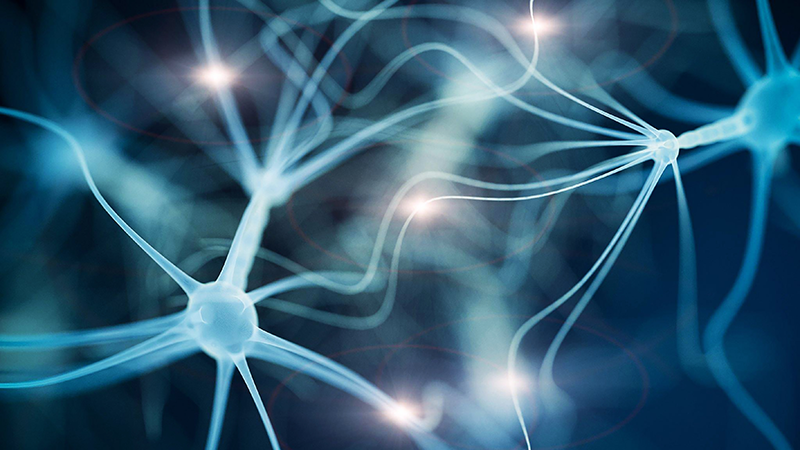
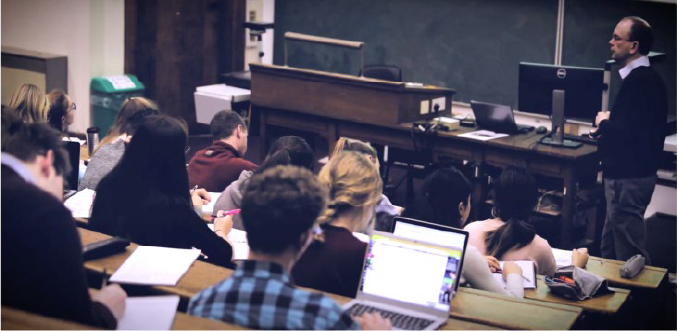
Cambridge Biology for Undergraduates offer a diverse range of courses in the biological subjects, designed to provide students with a comprehensive academic education. This camp will follow this traditional educational model, offering core biological courses such as Physiology, Neurobiology, and Ecology. This will not only help them build a solid academic foundation but also allow them to explore various areas within biology, providing clear guidance for future studies.

Physiology

Neuroscience

Ecology
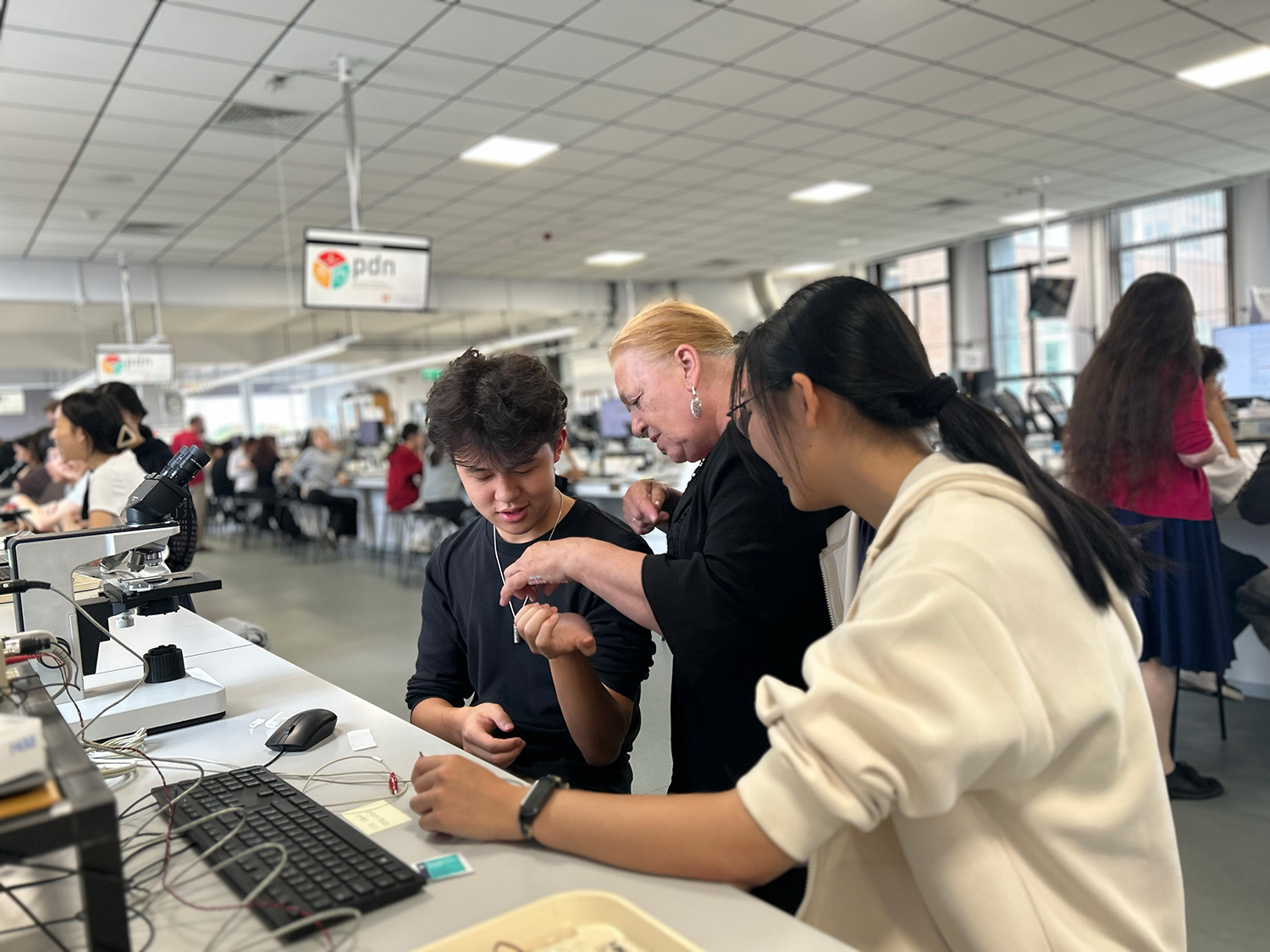
Academic Module 2: Exploring Cambridge Biology Labs & Hand-on Projects
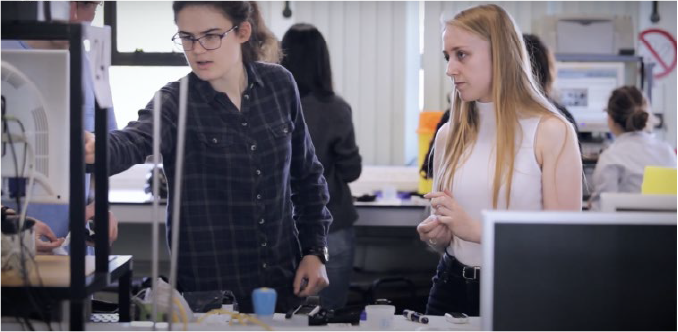
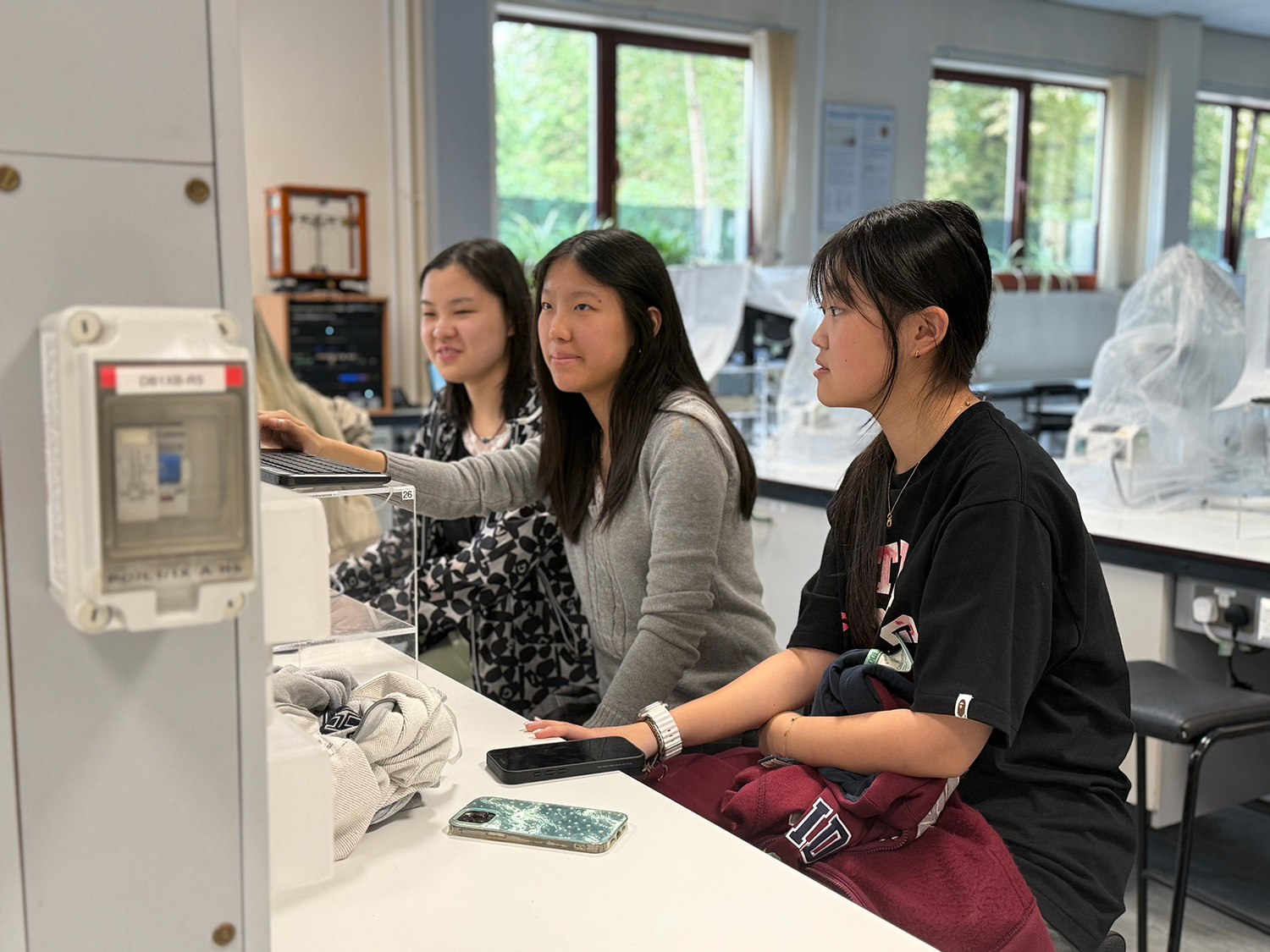
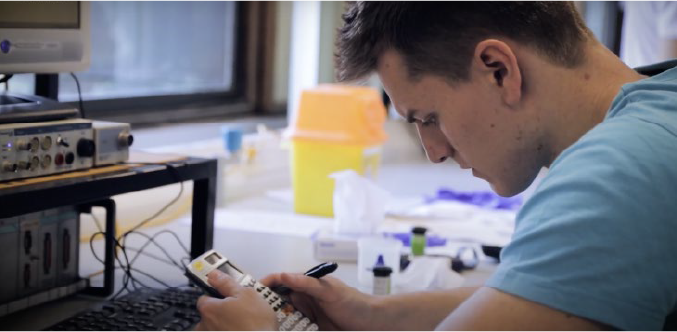
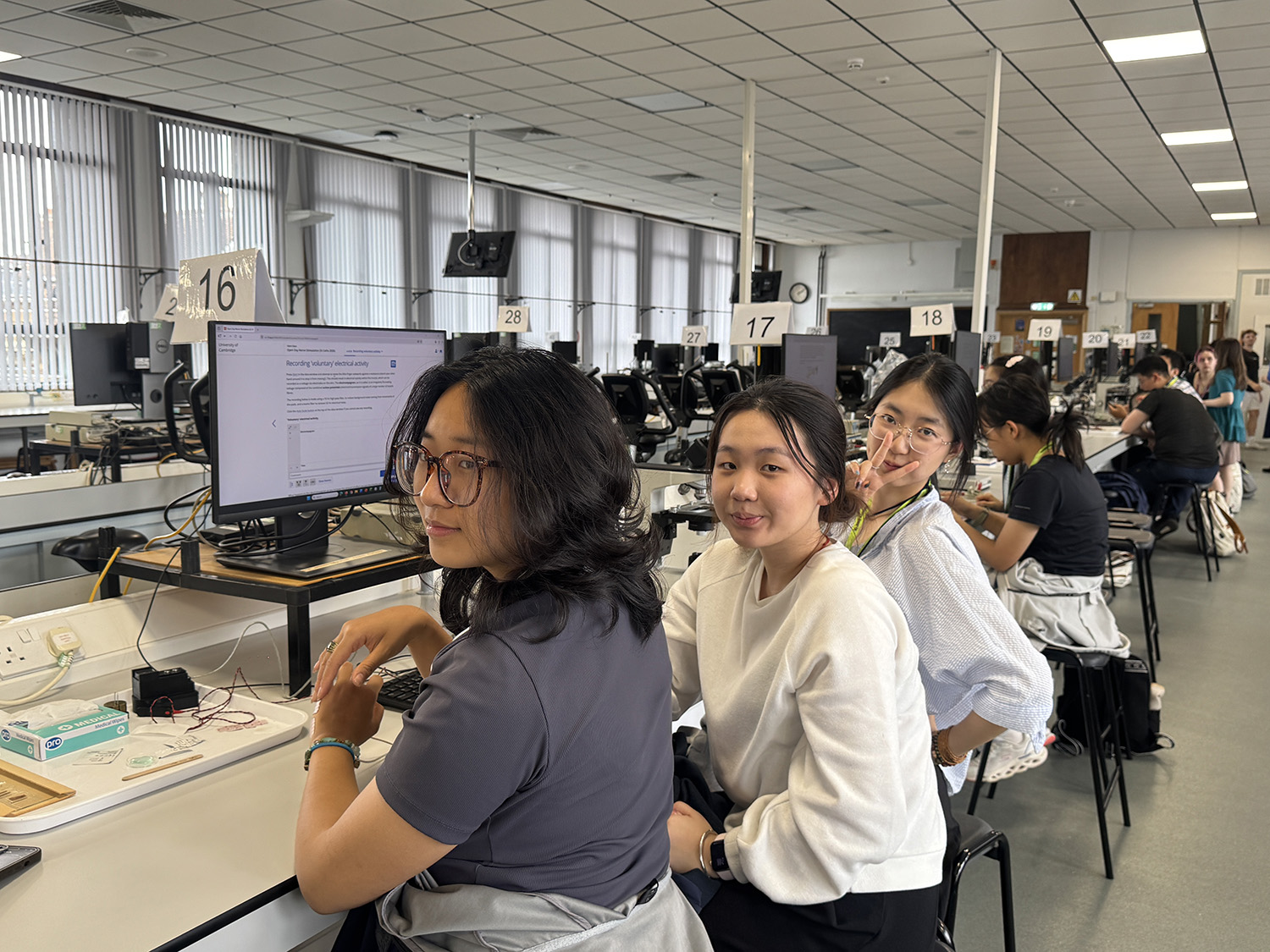
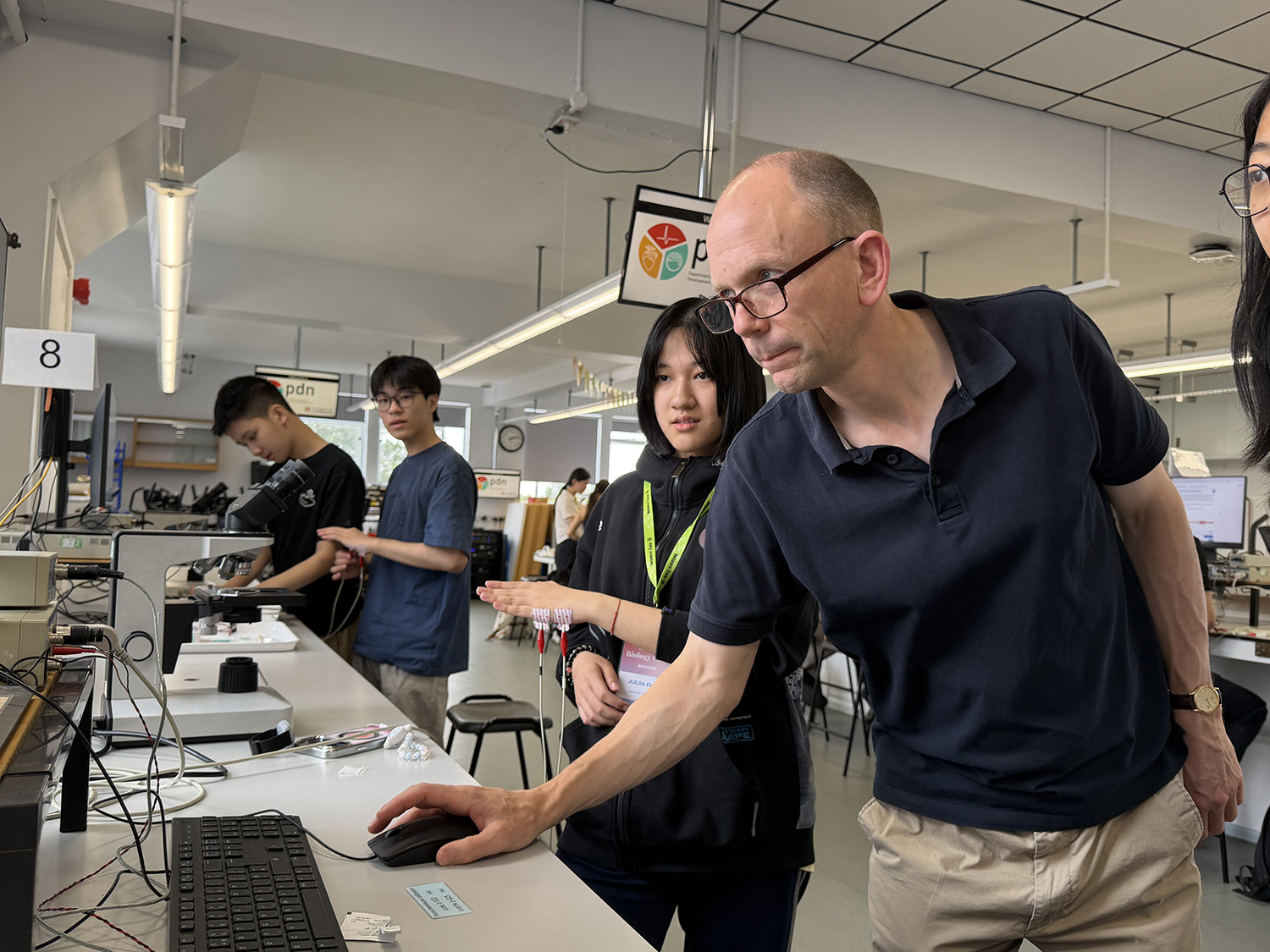
Students will have the rare opportunity to explore the laboratories in the University of Cambridge, aiming to ignite their passion and enthusiasm for the biology. Under the guidance of experienced professors, students will conduct a series of carefully designed experimental projects spanning core areas such as Neurobiology and Physiology. Students will not only reinforce the theoretical knowledge gained in the classroom but also develop essential skills in experimental design, data analysis, and scientific research.
Academic Module 3: Guest Lectures by Leading Professors in Various Biological Subjects
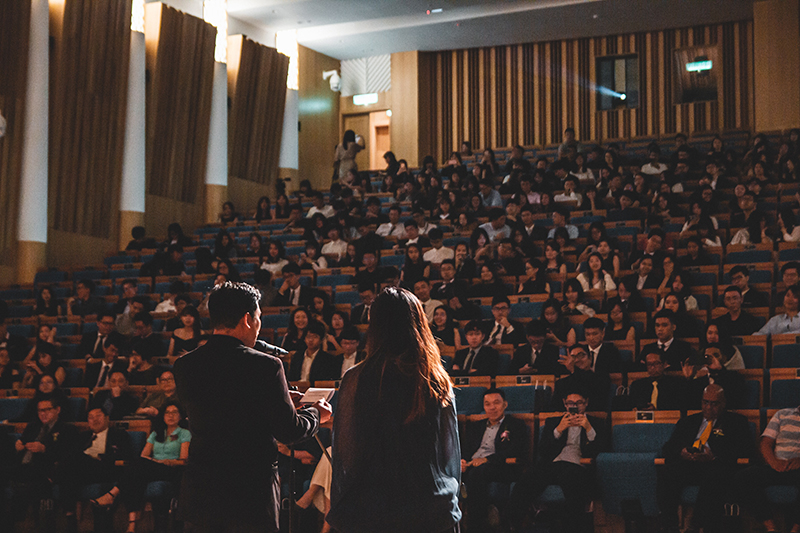
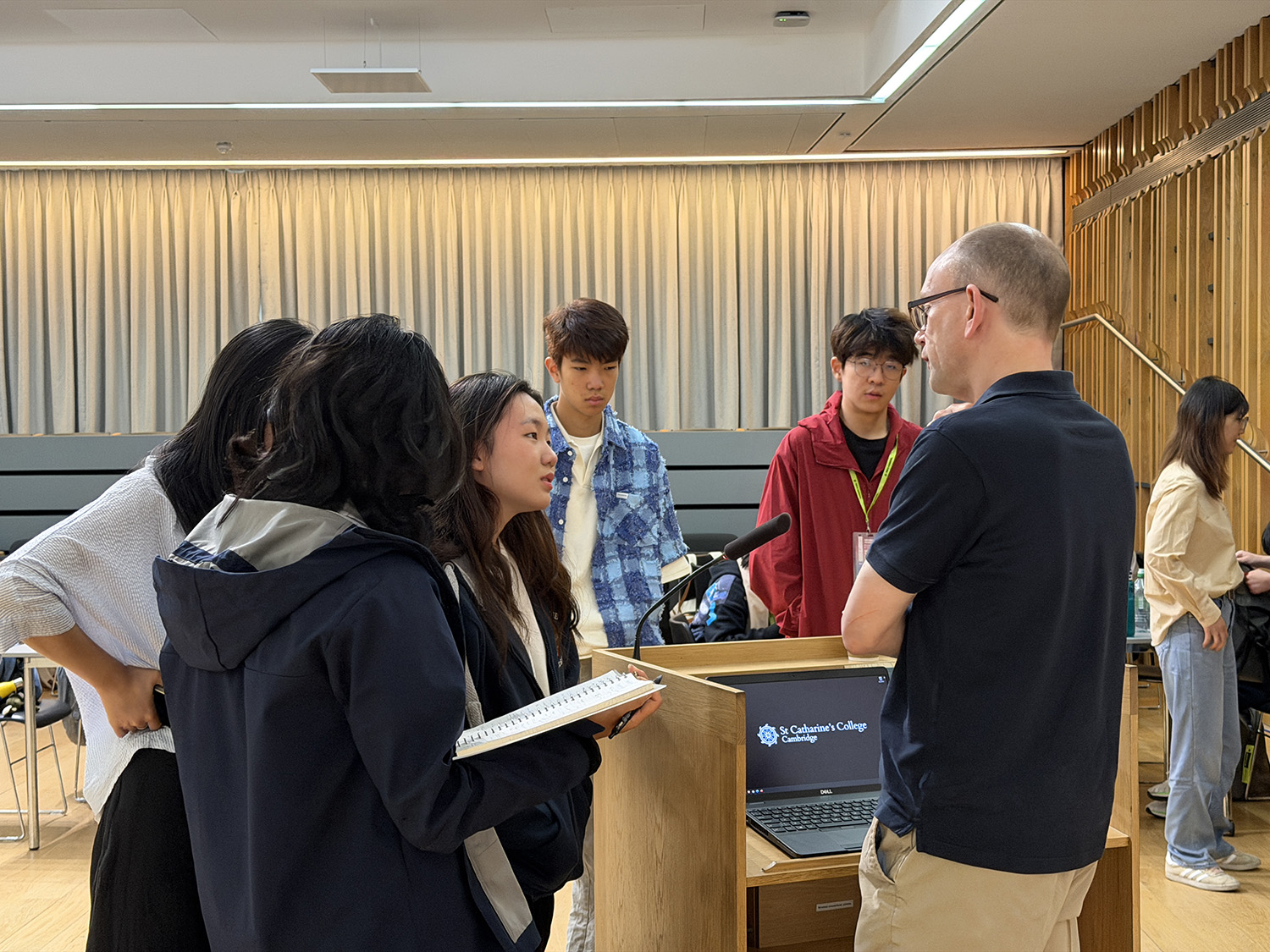
The camp will invite Cambridge professors specializing in various areas to deliver guest lectures, guiding students to explore the diverse fields and cutting-edge developments of biological subjects. The professors will share the latest research findings from their areas of expertise. Through discussions, students will gain a deeper understanding of the forefront advancements in biological subjects and their applications in fields such as medicine and environmental protection.
Academic Module 4: Micro-topic Research and Presentation
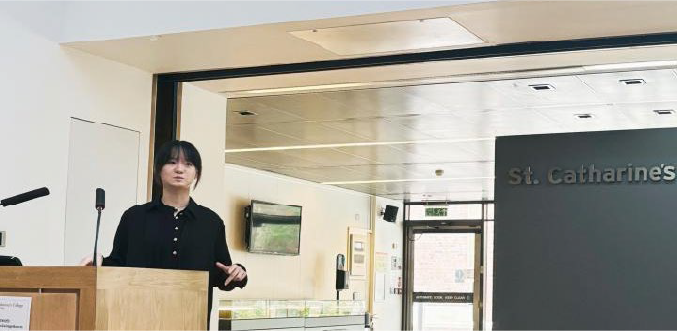
This camp has specially set a practical program for all participants. Professor will issue the theme of the program, and then students select a micro topic under the assigned theme. Students will design and complete a small-scale research project individually or in pairs. Under the guidance of Cambridge professors, students will learn how to formulate scientific questions, design experiments, analyze data, and draw conclusions. Upon completion of their research, students will be required to present their research, sharing their research process and findings. This module not only cultivates students' research skills and critical thinking but also enhances their presentation and communication abilities.

Previous Lab Projects

*Below are introductions of past lab projects. Specific practical lab courses are subject to adjustment based on actual circumstances.

Observation of Neuroanatomy and Pathological Specimens

In a specialized brain specimen laboratory, students will compare and observe the brain structures and pathological specimens of various animals, gaining a deep understanding of functional brain regions and health mechanisms.

Fieldwork on Cambridge Aquatic Ecology

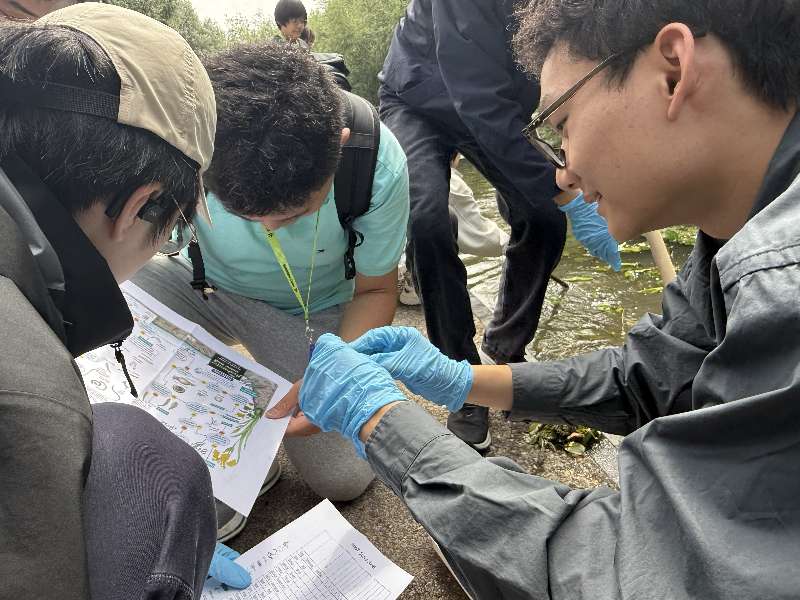
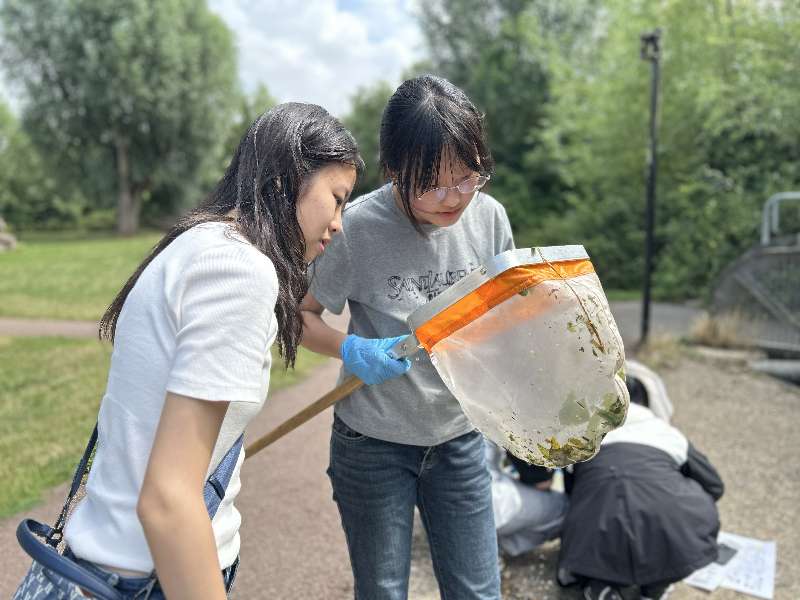
Conducting fieldwork in streams around Cambridge, students will use professional tools to collect and identify aquatic organisms, experiencing ecosystem diversity firsthand.

虚拟心脏药理学仿真实验

采用离体心脏灌流仿真系统,探究不同药物对心脏功能的影响,实践“3R”原则下的现代生物实验方法。

Investigation of Human Neurophysiological Signals

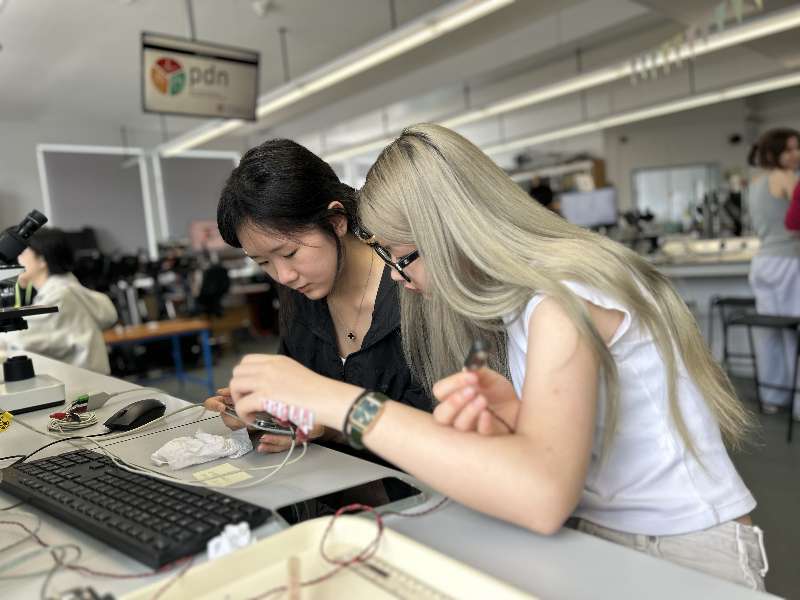
Through safe electrical stimulation experiments, students will directly observe nerve signal transmission and muscle responses, extending their learning to natural phenomena of bio-electromagnetism.

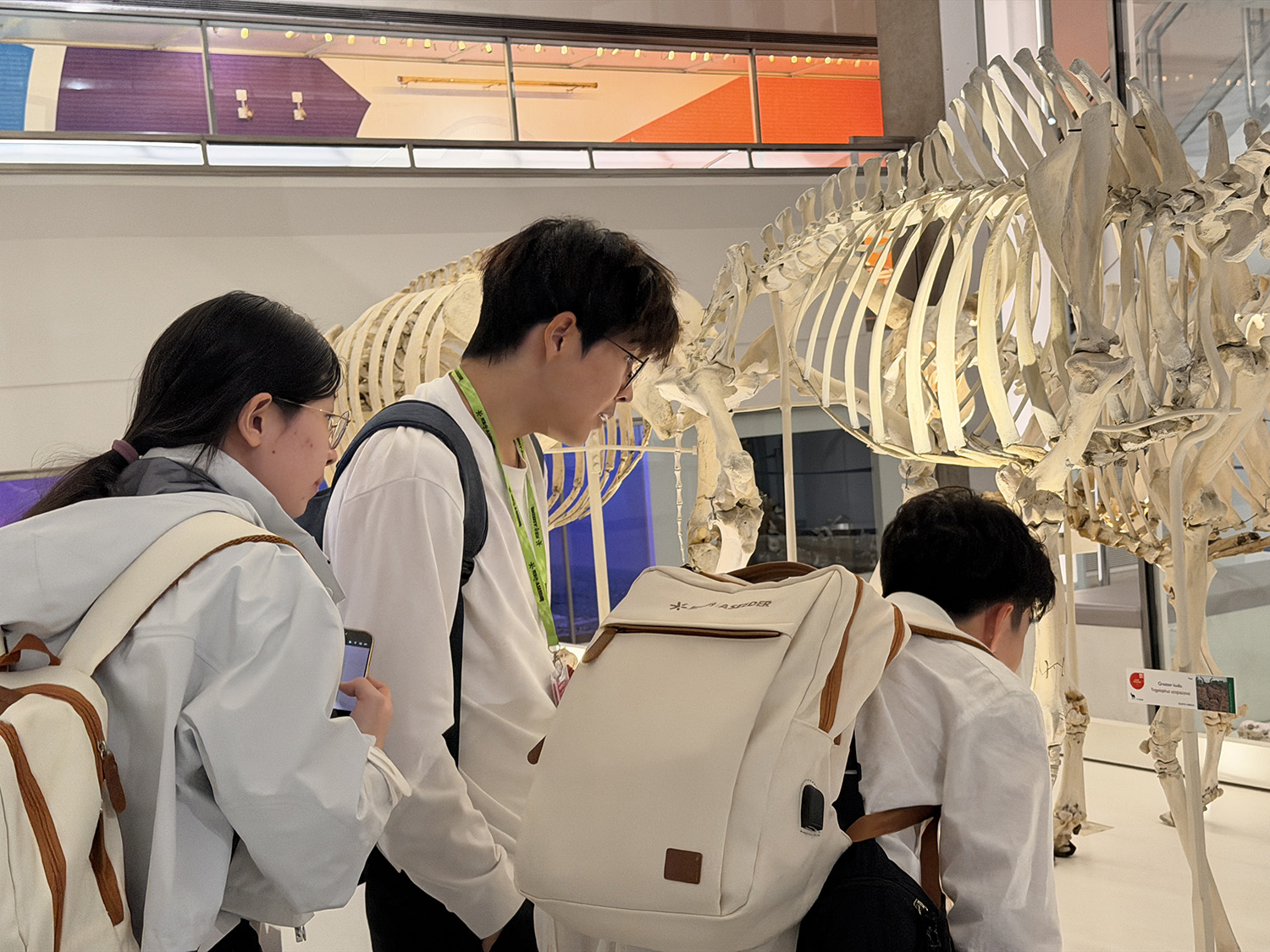
动物学博物馆珍稀标本鉴析

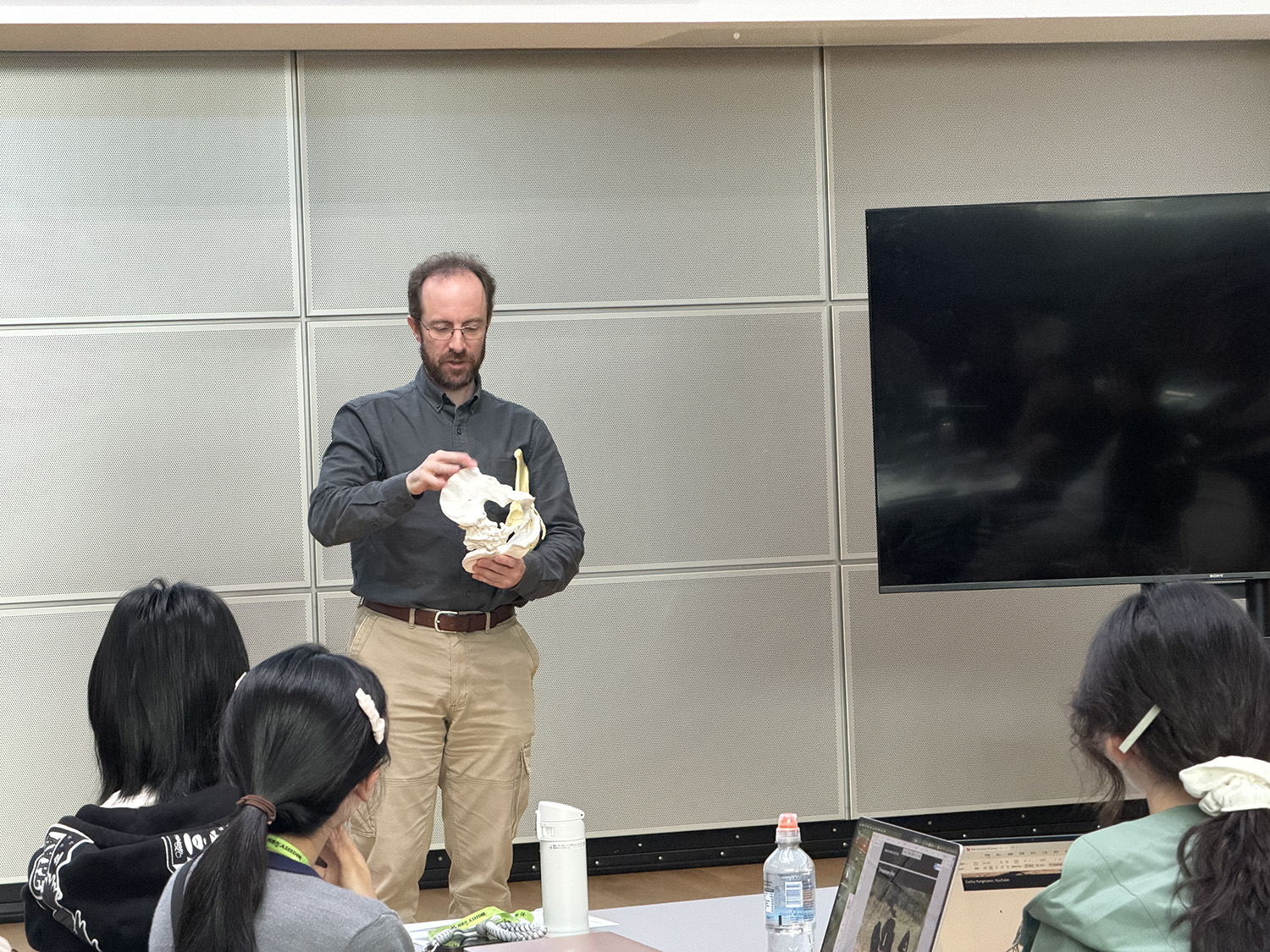
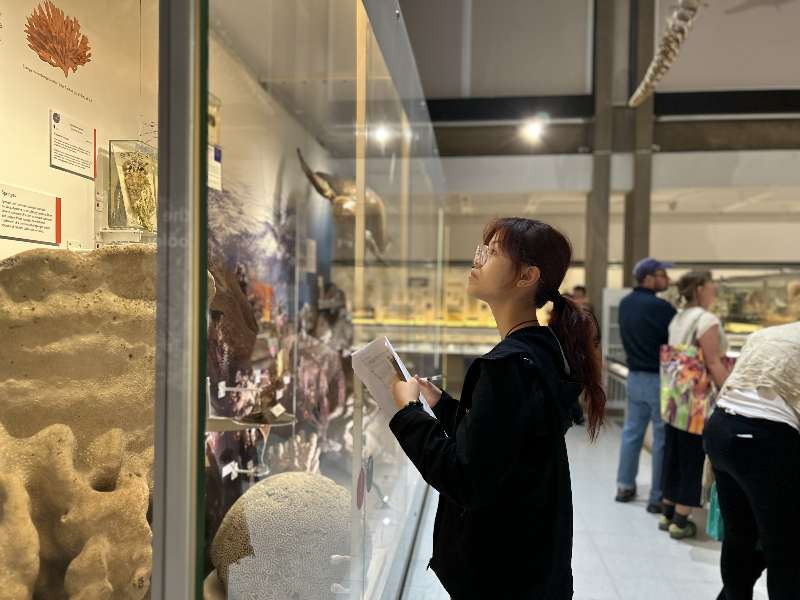
参观剑桥大学动物学博物馆 (University of Cambridge Museum of Zoology),观摩包括完整象骨架在内的多种珍贵标本,系统了解动物形态与分类。

Schedule

Date 9:00-12:30 13:30-17:30 19:00-20:00
Day 1 Depart for the UK and check in at St Catharine’s College, University of Cambridge
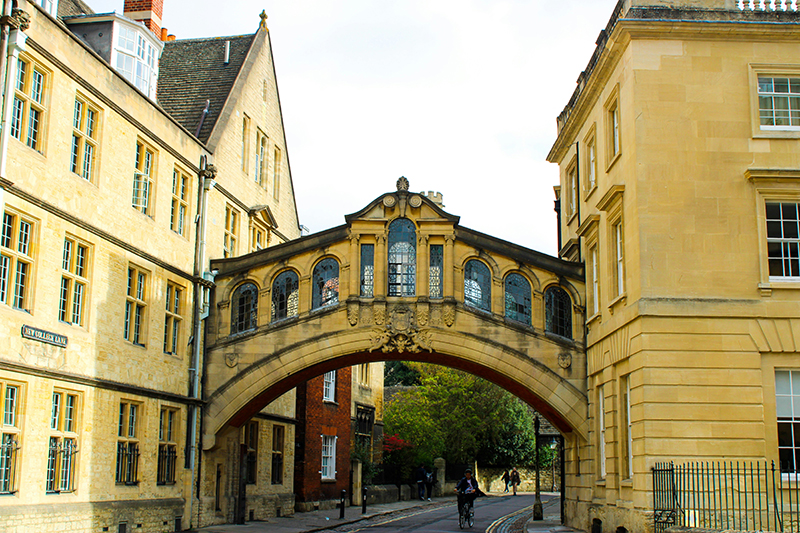
Day 2 Explore Oxford: Visit the University of Oxford campus and experience its distinctive academic atmosphere
Day 3 Academic Module 1: Cambridge Professors’ Lectures — Cambridge Natural Sciences Undergraduate Curriculum Academic Module 2: Biology Laboratory Sessions — Applied Laboratory Classes and Cambridge Biology Laboratory Experience
Academic Module 3: Guest Lectures by Cambridge Professors — Exploring Cutting-Edge Research Across Diverse Fields
Academic Module 4: Preparation for Individual Research Projects
Day 4
Day 5
Day 6
Day 7
Day 8 Individual Academic Research Presentations Cambridge Punting and College Tour Traditional Formal Dinner at the University of Cambridge
Day 9 London Science & Culture Experience — Museum Visit
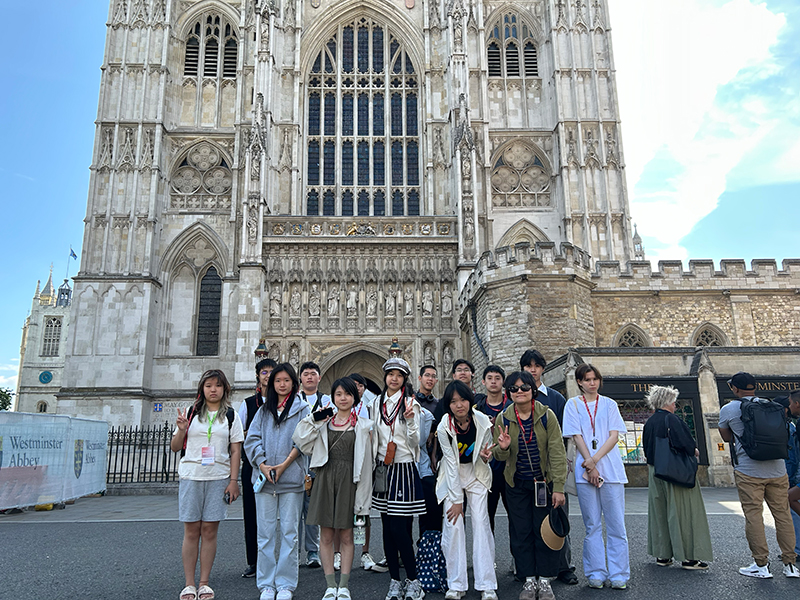
Day 10 London City Exploration — Visit Iconic London Landmarks
Day 11 Return journey

* Detailed course content will be announced upon confirmation.

Unique Experience

Live in St Catharine's College, Cambridge
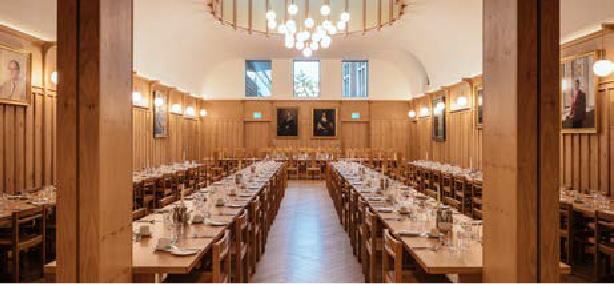
Live in St Catharine's College, Cambridge

St Catharine's College is a historic and academically rich college in the University of Cambridge, founded in 1473. The college has a strong academic background, particularly excelling in interdisciplinary research. It has at least 4 Nobel laureates and is committed to nurturing future technological leaders.
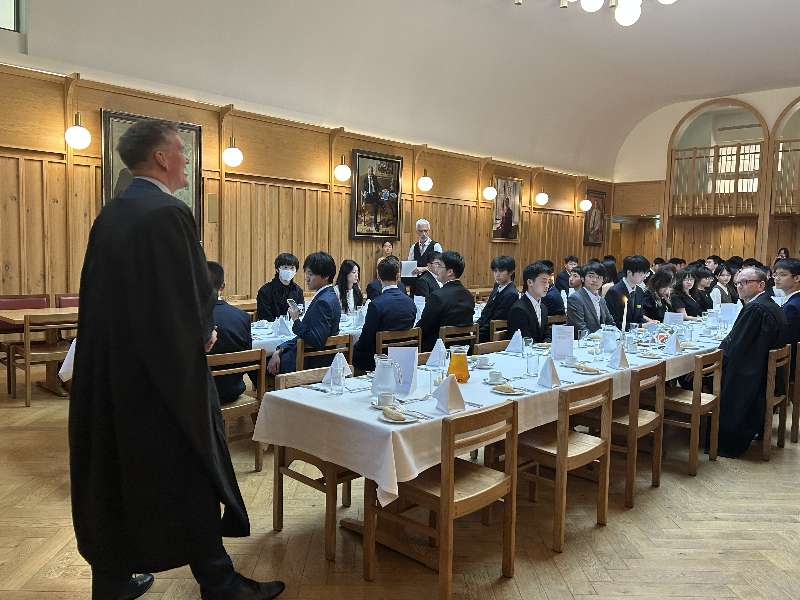
Cambridge Formal Dinner

Cambridge Formal Dinner

The annual traditional formal dinner at the University of Cambridge is an integral part of the students' academic life. Dressed in formal attire, students and professors gather together to enjoy fine dining, recite poetry, and exchange ideas.
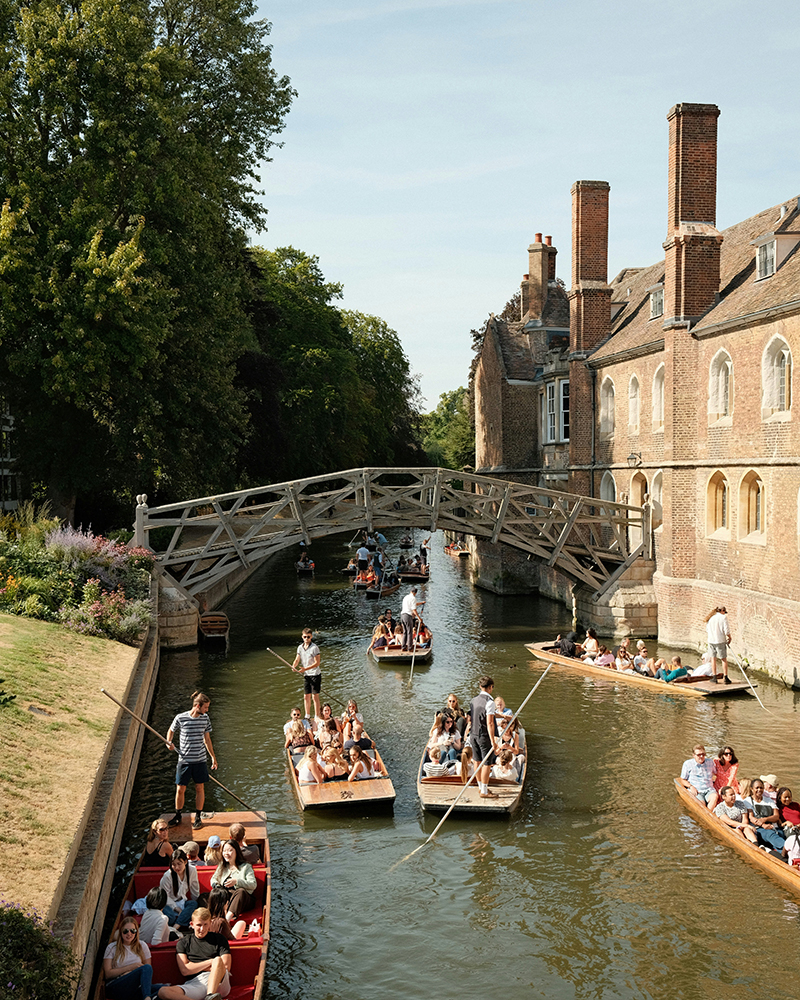
Punting in River Cam

Punting in River Cam

Punting is a unique activity in Cambridge. Gliding along in a small boat through ancient bridges and tree allows you to enjoy the tranquil waters and appreciate the classical architecture of Cambridge.
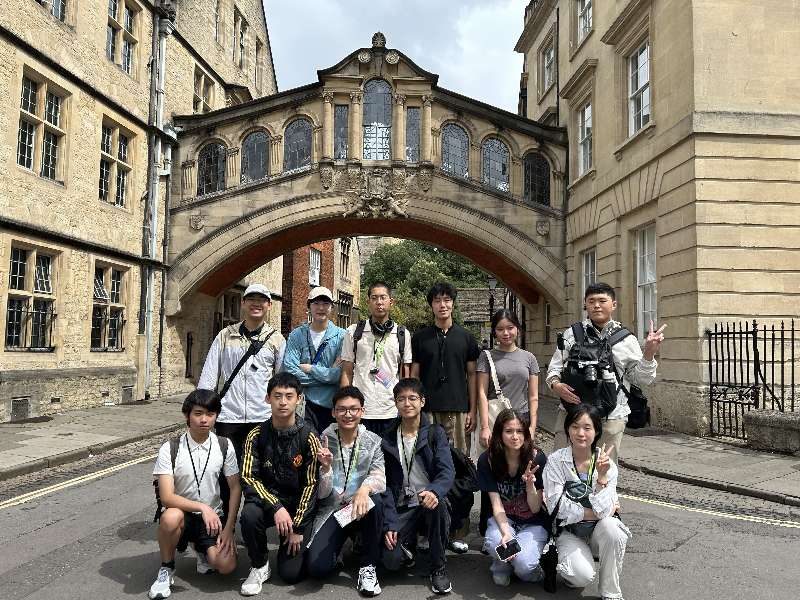
VI Oxford &LondonJourney

VI Oxford &LondonJourney

Student Reflections

I think the most challenging, yet also the most rewarding, part was getting to know so many people and learning and working alongside them. We shared similar ideas and interests, many of which are areas I am also deeply passionate about. Throughout the experience, we exchanged ideas, compared what we knew and what we did not, and shared our personal experiences and perspectives on the things we cared about. This was incredibly valuable and was an experience that would have been difficult to find elsewhere

— Student Zhang

Shenzhen College of International Education

I remember one day, I asked a professor a question: “Why is shame an emotion unique to humans?” It was a broad and abstract question that also involved ethical considerations. What impressed me most was how patiently the professor addressed it. He explained that this emotion is influenced by culture as well as shaped by ethical considerations, with a highly complex range of factors behind it. This made me realize that science is not simply about statistics or Latin terms that need to be memorized—although these are certainly part of science. Science also carries a humanistic spirit. Science has warmth, and it is full of life.

Overall, I feel that my experience in Cambridge gave me a profound understanding of what a vibrant place Cambridge is. It is not simply a gathering place for “nerds”—people who wear glasses and spend their days buried in books. Cambridge truly values future leaders: people who have ideas, ambition, and a desire to make an impact. This was one of the greatest takeaways from my experience.

— Student Zhang

Zhejiang

During this week of study, the course that impressed me most was the neuroscience session on the first day. As I have always been particularly interested in neuroscience, the course gave me the opportunity to explore different structures of the brain in greater depth, which I found fascinating. We also had the opportunity to observe brain specimens, and it was my first time seeing real sheep and horse brains. Through these practical activities, I not only gained hands-on knowledge but also built a solid foundation for my future university studies and the application of what I learn in academic settings.

— Student Li

QMIS Beijing

At school, education is mainly examination-oriented. We spend a great deal of time memorizing knowledge that may appear on exams, while having relatively few opportunities to conduct practical experiments. Sometimes, when I ask questions beyond the textbook, I am told that because these ideas have not yet been proven, they are not particularly important. At Cambridge, however, the situation was completely different. The professors encouraged students to ask any questions they had, even if they went beyond the course content, and were always willing to engage in in-depth discussions about these thought-provoking questions.

— Student Tang

Chengdu Experimental Foreign Languages School (International Department)

Participant Information

Programme Fee

The programme fee includes all programme and academic costs, accommodation, and breakfast, lunch, and dinner during the camp, excluding meals during off-campus visits. The fee does not include visa service fees or round-trip airfare.
Optional Visa Service: ASEEDER’s visa service provides a visa approval guarantee. If a visa application is refused for reasons not attributable to the applicant, the visa service fee will be fully refunded, or the applicant may reapply for a visa without paying an additional visa service fee. The full programme fee will also be refunded, ensuring zero financial loss to the participant.

Registration Deadline

Three weeks before the programme begins.
* Places on the camp are limited and registration will close once all places have been filled. Applications submitted after the deadline will be considered a voluntary withdrawal from participation.

FAQ

1. Can I get a refund?
Yes, but only if you apply before the registration deadline – a 25% deduction will apply for materials and service costs. After the deadline, refunds are not available.
华北地区联系人
华北区:北京、天津、黑龙江、吉林、辽宁、 河北、内蒙古、山西、山东
华东地区联系人
华东区:上海、浙江、江苏
华中地区联系人
华中区:河南
华南地区联系人
华南区:广东、广西、福建、海南、香港、澳门、台湾
华西地区联系人
华西区:重庆、四川、云南、陕西、甘肃、青海、西藏、宁夏、新疆
华中地区联系人
华中区:湖南、湖北、安徽、江西 、贵州