Qualification

Award Winners in BPhO by Invitation

Date

Jul. - Aug. 2027 (TBD)

Location

St Catharine's College, Cambridge, UK

Language

EN

Place

35

Program Introduction

The Cambridge St Catharine’s College Physics Camp is hosted by St Catharine’s College, University of Cambridge and led by Dr. João Rodrigues, a senior Physics and Mathematics Tutor in the Natural Sciences programme at the University of Cambridge and Director of Research at St Catharine’s College.The programme is centred on the Cambridge undergraduate Physics curriculum. Over the course of one week, students will have the opportunity to study Quantum Mechanics, a first-year undergraduate course in the Cambridge Physics programme. The camp includes six intensive academic topics, two laboratory sessions, guest lectures by invited Cambridge tutors, challenging academic tasks, and individual presentations, providing students with an advanced introduction to Cambridge-level physics. For students from China, this represents a rare opportunity to experience a world-class academic environment and gain exposure to university-level physics. For students planning to apply to Cambridge, Oxford, or other leading UK universities, the programme also provides valuable academic preparation and insight into the expectations of top universities. Beyond the academic programme, students will experience the learning and residential environment of Cambridge and gain a deeper understanding of university life at one of the world’s leading academic institutions. The camp also includes a traditional Cambridge Formal Dinner, offering students the opportunity to experience an important part of Cambridge’s collegiate culture. Upon completion of the programme, students will receive an official Certificate of Completion from St Catharine’s College, University of Cambridge.

Pre-Assessment

British Physics Olympiad (BPhO Round 0):Sep. 30, 2026 (Wed.), 17:00-18:00, Grade 10-12

Academic Highlights

Exceptional Program Supervisors from Cambridge

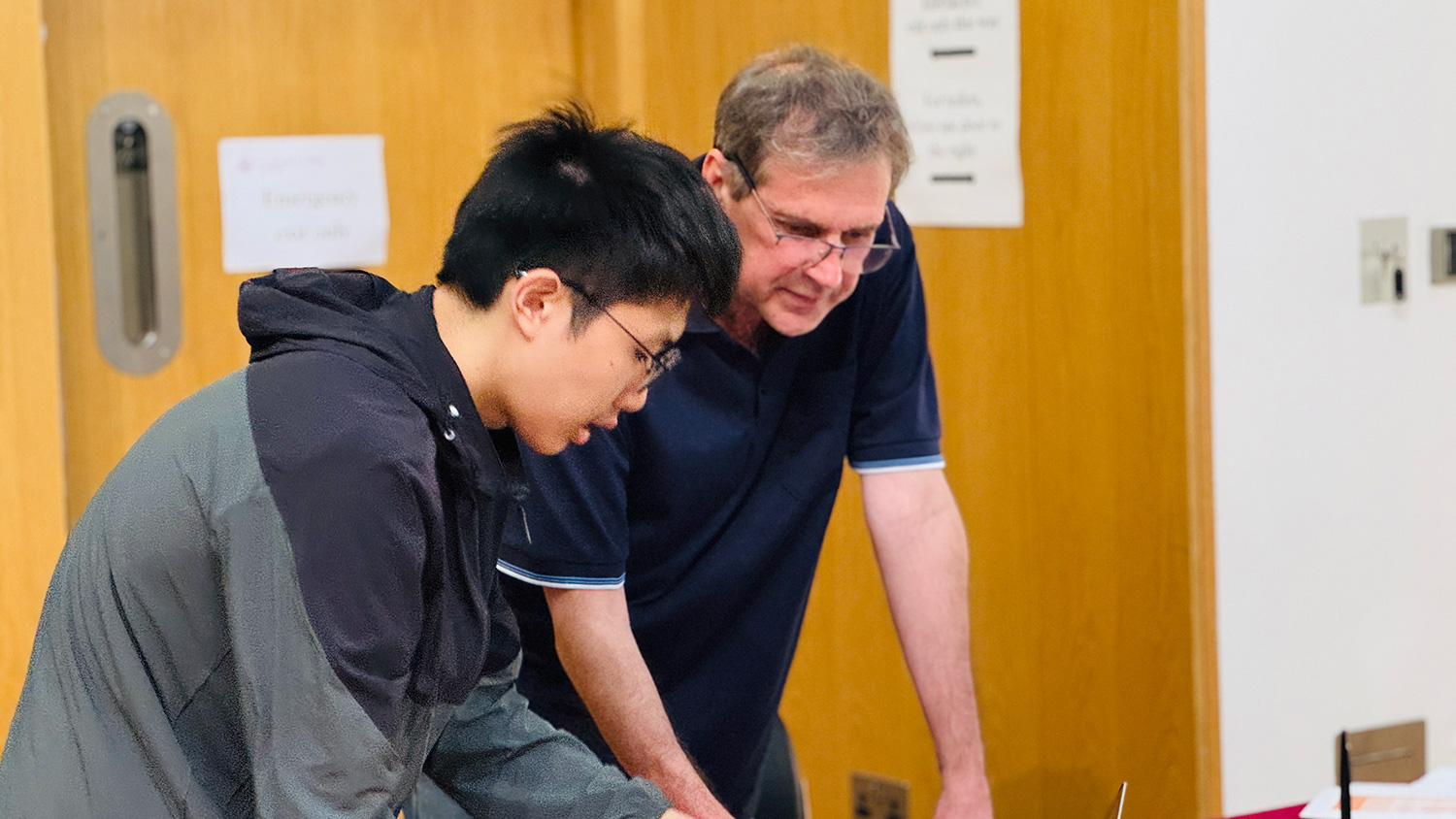
Dr. João Rodrigues, Director of Studies at St Catharine’s College, will serve as the Program Supervisor. He will be joined by renowned physics professors and lecturers from Cambridge, who will deliver guest lectures on advanced topics in physics. Its curriculum is closely aligned with the Cambridge undergraduate physics syllabus, providing a rigorous academic foundation tailored to prepare students for admission to top global universities such as Oxford and Cambridge.

Distinguished Guest Faculty in Physics

The program also features guest lectures and seminars by active Cambridge and global researchers. They will introduce cutting-edge topics, highlighting the real-world impact of physics and expanding students’ vision of the field’s future.

Curriculum Inspired by Cambridge Physics for Undergraduates

Over 35 hours of intensive study cover six Cambridge-level topics taught through Oxford/Cambridge-style problem-driven seminars. The program culminates in an individual academic presentation, strengthening both scientific thinking and research ability.

Hands-On Lab Projects

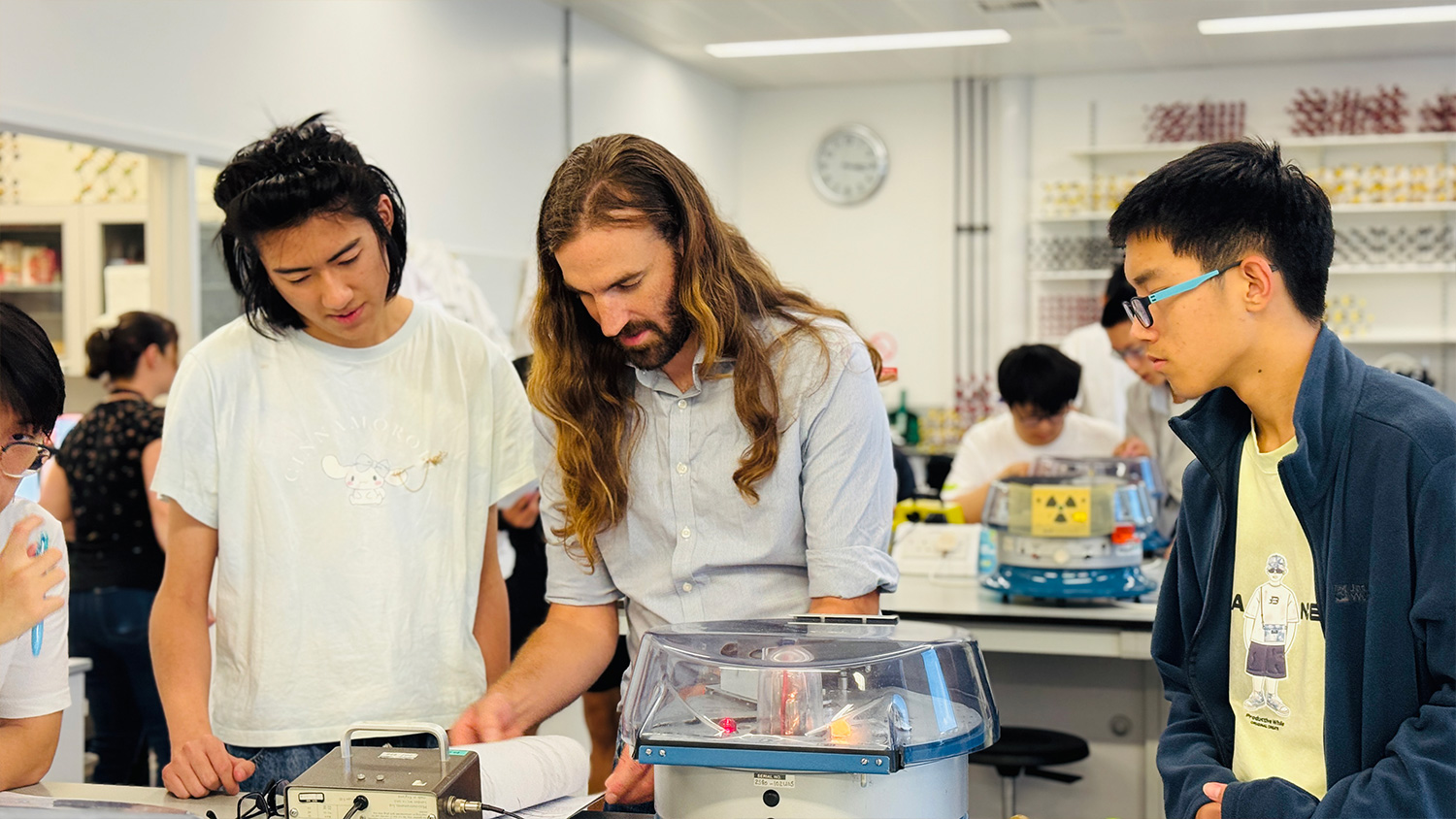
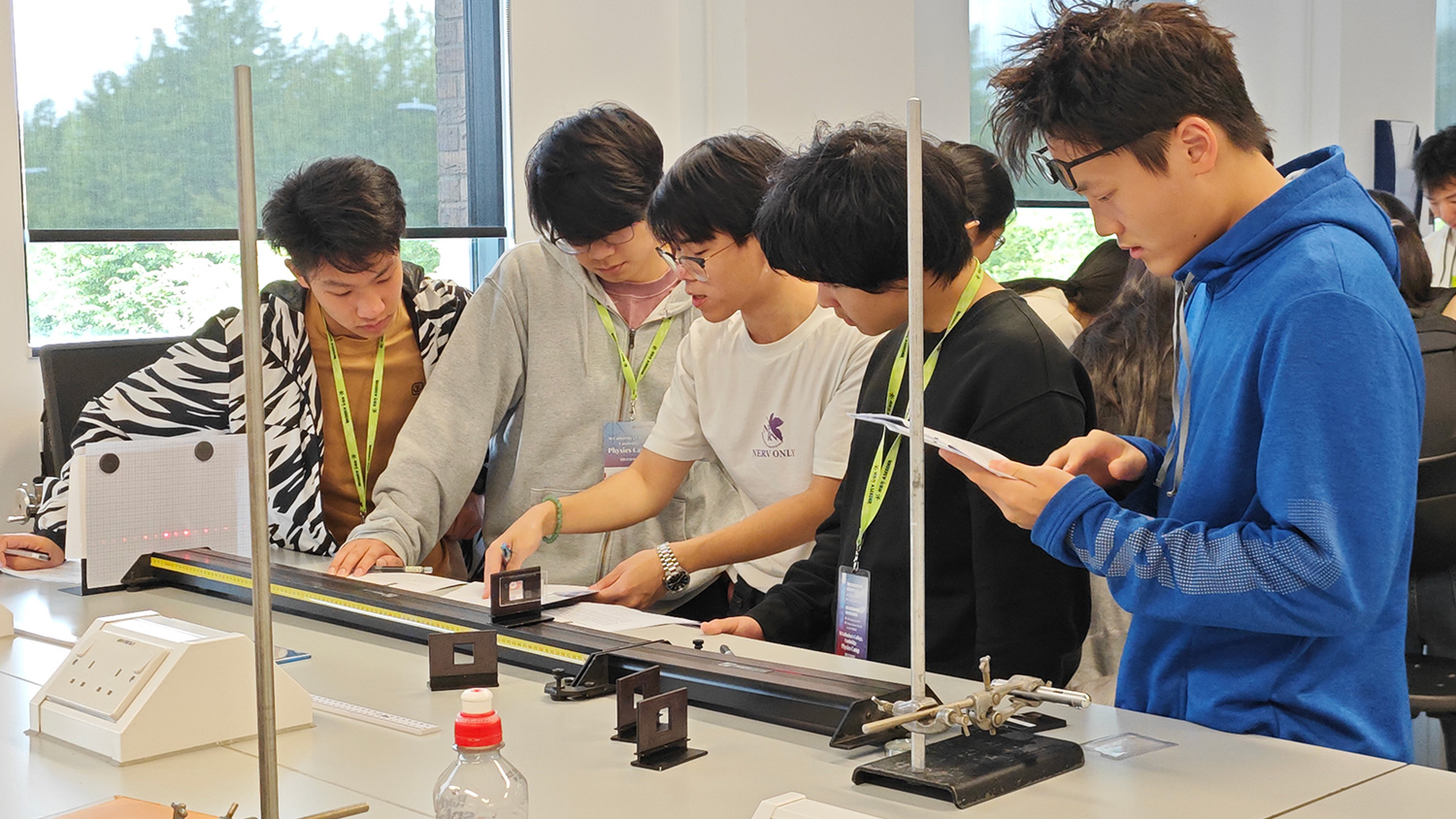
A rare opportunity to conduct experiments in Cambridge laboratory, bridging the gap between theoretical physics and its practical applications.

Cambridge Presentation & Expert Feedback

Participants deliver an independent research presentation at Cambridge, guided through the full academic cycle—from theory to experimentation. This experience connects students with world class physics education and strengthens their academic foundation for future study.

Immersive Cambridge Experience & Official Certificate from St Catharine’s College, Cambridge

Stay at St Catharine’s College, attend a traditional formal Cambridge dinner, and fully immerse yourself in the academic and cultural atmosphere of one of the world’s most prestigious universities. Earn a prestigious certificate that recognizes your achievements in exploring advanced physics concepts

Introduction to Excellent Program Supervisor

Excellent Program Supervisor


Past Guest Lecturer


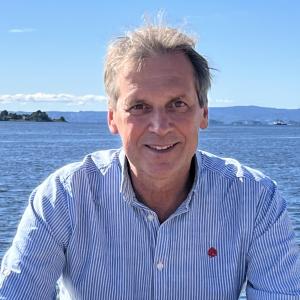
Dr. João Rodrigues

  • Director of Studies at St Catharine’s College, University of Cambridge
  • Fellow at Wolfson College, University of Cambridge
  • Physics and Mathematics Supervisor at the University of Cambridge
  • Designs and teaches undergraduate Physics and Mathematics curricula for multiple colleges of the University

MORE >
Dr. João Rodrigues介绍


Dr. João Rodrigues

  • Director of Studies at St Catharine’s College, University of Cambridge
  • Fellow at Wolfson College, University of Cambridge
  • Physics and Mathematics Supervisor at the University of Cambridge
  • Designs and teaches undergraduate Physics and Mathematics curricula for multiple colleges of the University

João Rodrigues received his PhD in High Energy Physics from the University of Amsterdam, where his early research focused on nucleon structure and fundamental interactions, providing him with a strong foundation in theoretical physics and advanced mathematics. In 2002, he joined the Department of Applied Mathematics and Theoretical Physics, University of Cambridge (DAMTP) as a Research Associate, marking the beginning of a research and teaching career at Cambridge spanning more than two decades.

After arriving at Cambridge, Dr Rodrigues gradually shifted his research focus from microscopic particle physics to macroscopic complex systems in climate and environmental physics. His primary research interest lies in the mathematical modelling of polar climate systems, with particular emphasis on the thickness and long-term evolution of Arctic sea-ice cover. His work investigates how Arctic sea-ice structure has changed over recent decades in response to global warming, contributing to a deeper physical understanding of polar processes that are central to climate prediction and global climate model development.

A unifying theme throughout Dr Rodrigues’ academic career is the use of advanced mathematical methods to decode complex physical phenomena. He applies tools from partial differential equations, continuum mechanics, statistical physics, and numerical modelling to describe sea-ice thermodynamics and dynamics, as well as their coupling with oceanic and atmospheric systems. This approach highlights the power of applied mathematics in addressing major real-world scientific challenges.

In addition to his research, Dr Rodrigues is a Senior Tutor/Director of Studies for Natural Sciences undergraduates at the University of Cambridge, with over 20 years of teaching experience. He plays a central role in teaching and designing undergraduate courses in physics and mathematics, and is actively involved in shaping the undergraduate physics curriculum. His teaching is known for its emphasis on rigorous theoretical training and for helping students build strong conceptual links between mathematical formalisms and physical intuition.

Overall, Dr Rodrigues represents a distinctive Cambridge academic profile, spanning theoretical physics, applied mathematics, and climate science, and exemplifying how deep mathematical thinking can illuminate some of the most pressing scientific questions of our time.

Publications:

  • Modelling Quark and Gluon Correlation Functions — Focuses on simulating quark and gluon correlation functions to investigate the internal structure of nucleons.
  • Seasonal sea ice cover as principal driver of spatial and temporal variation in depth extension and annual production of kelp in Greenland — Examines how changes in sea ice coverage affect the depth distribution and productivity of kelp along Greenland’s Arctic coast, revealing ecosystem responses under climate warming.
  • Beamwidth effects on sea ice draft measurements from U.K. submarines — Investigates the impact of beamwidth on the accuracy of sea ice thickness measurements, addressing wave propagation and signal processing challenges in polar observation.
  • Arctic sea ice thickness characteristics in winter 2004 and 2007 from submarine sonar transects — Compares winter sea-ice thickness and trends using sonar data for climate and ecological risk assessment.
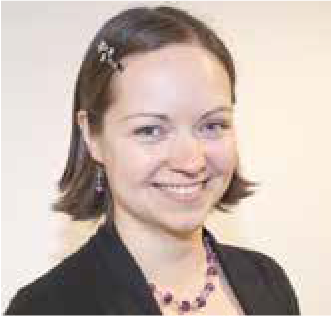
Professor Jessica Gwynne

  • Director of Studies at St Catharine’s College, University of Cambridge
  • Professor of Teaching and Director of Undergraduate Studies in the Department of Materials Science and Metallurgy
  • Deputy Head of the School of Physical Sciences
  • Responsible for designing and delivering undergraduate courses in Materials Science and Physics across multiple colleges of the University of Cambridge

MORE >
Professor Jessica Gwynne介绍


Professor Jessica Gwynne

  • Director of Studies at St Catharine’s College, University of Cambridge
  • Professor of Teaching and Director of Undergraduate Studies in the Department of Materials Science and Metallurgy
  • Deputy Head of the School of Physical Sciences
  • Responsible for designing and delivering undergraduate courses in Materials Science and Physics across multiple colleges of the University of Cambridge

Professor Jessica Gwynne read Natural Sciences (Materials Science) at Robinson College, University of Cambridge, where she received systematic training in mechanics of materials, polymer science, and biomaterials. Following her undergraduate studies, she pursued doctoral and postdoctoral research, establishing a focus on biomedical materials and tissue engineering that bridges fundamental materials science with clinical needs.

Her research centers on polymeric and composite biomaterials for human tissue repair and regeneration, with particular emphasis on the interplay between microstructure, mechanical properties, and biological function. In the field of intervertebral disc replacement, she develops polymer systems capable of mimicking the mechanical behavior of natural discs under complex loading, aiming to improve the long-term stability and reliability of spinal implants. For ligament and tendon regeneration, her work investigates the structural organization and mechanical response of collagen fibers, exploring their role in soft tissue repair. In bone regeneration, she focuses on the structural design and mechanical tailoring of porous scaffolds to promote osseointegration and tissue regrowth. Her contributions hold significant value for regenerative medicine and biomechanics, while also providing a scientific foundation for the rational design of next-generation medical implants.

Beyond her research, Professor Gwynne is highly committed to teaching. She is actively involved in undergraduate education and curriculum development in Natural Sciences and Materials Science, integrating cutting-edge research into her teaching to cultivate students’ engineering mindset and interdisciplinary understanding. In recognition of her excellence and innovation in teaching, she was awarded the Pilkington Prize for Teaching in 2019, a distinguished accolade for educators at the University of Cambridge.

Research Focus & Publications:

  • Collagen Scaffolds for Tendon and Ligament Regeneration: Published the paper Collagen fibre implant for tendon and ligament biological augmentation. In vivo study in an ovine model, which validated the efficacy of collagen scaffolds in a sheep model, provided key in vivo evidence for clinical translation, and identified cross linking control as a crucial factor for optimizing implant performance.
  • Bone Regeneration Scaffolds: Developed a novel biodegradable polymer scaffold fabricated via Two Photon Polymerization, demonstrating good biocompatibility and effective support for the proliferation and differentiation of human bone precursor cells. This work highlights the potential of advanced manufacturing in enhancing bone scaffold performance and lays the groundwork for subsequent in vivo studies and clinical translation.

Academic Modules

Module 1: Topic-Based Curriculum Inspired by Cambridge Physics for Undergraduates

Cambridge physics for undergraduate covers core topics such as the foundation of quantum mechanics, the Schrödinger equation, and the uncertainty Relations. In those courses, students delve into the mathematical models and theoretical frameworks supporting physical phenomena, developing logical thinking and analytical skills.

Topics The Origins of the Quantum Theory Foundations of Quantum Mechanics The postulates of Quantum Mechanics and Applications
Target Learn the origin of new theory Learn the milestones in the development of quantum mechanics How to Solve Practical Problems Using Quantum Mechanics
Content* ● The black body radiation and the ultraviolet catastrophe
● The photoelectric effect
● The Bohr’s Model of the Hydrogen Atom
● de Broglie Waves
● The Einstein - Podolsky -Rosen paradox
● The Bohr-Einstein debate
● Bell’s Theorem
● Aspect Experiment
● Quantum states and the wave function
● Wave Function Collapse
● Motion of Classical Particles in a Central Potential
● Motion of Quantum Particles in a Central Potential
Topics Schrödinger Equation Heisenberg’s Uncertainty Relations Angular Momentum
Target Learn the Core Tool of Quantum Mechanics How Quantum Mechanics Changing the Traditional Understanding Master the calculation methods and model analysis.
Content* ● Stationary states and the time-independent Schrödinger equation
● The infinite potential well
● The Finite Potential Well
● One Dimensional Harmonic Oscillator
● The statistical interpretation of Quantum Mechanics
● The position-momentum uncertainty relation
● Uncertainty Relation and the Measurement Process
● Feynman’s Double Slit Experiment
● Angular momentum in classical mechanics
● Commutation relations
● Angular Momentum in Quantum Mechanics
● Orbital Angular Momentum
● Spin
* Note: Depending on each student’s Physics proficiency, the coaching team may adjust the course sequence, content, and difficulty.
Module 2: Hands-on Lab Projects
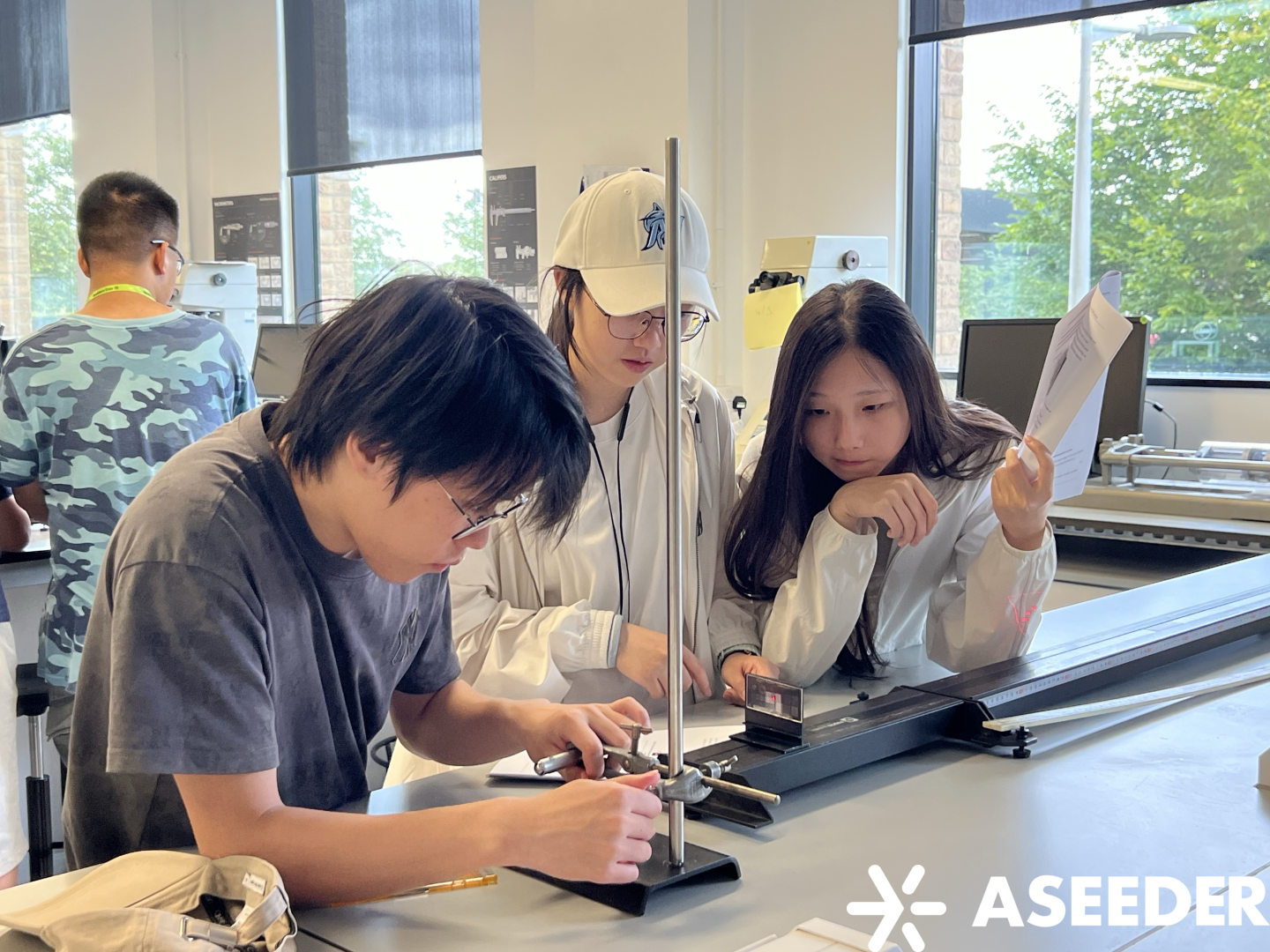
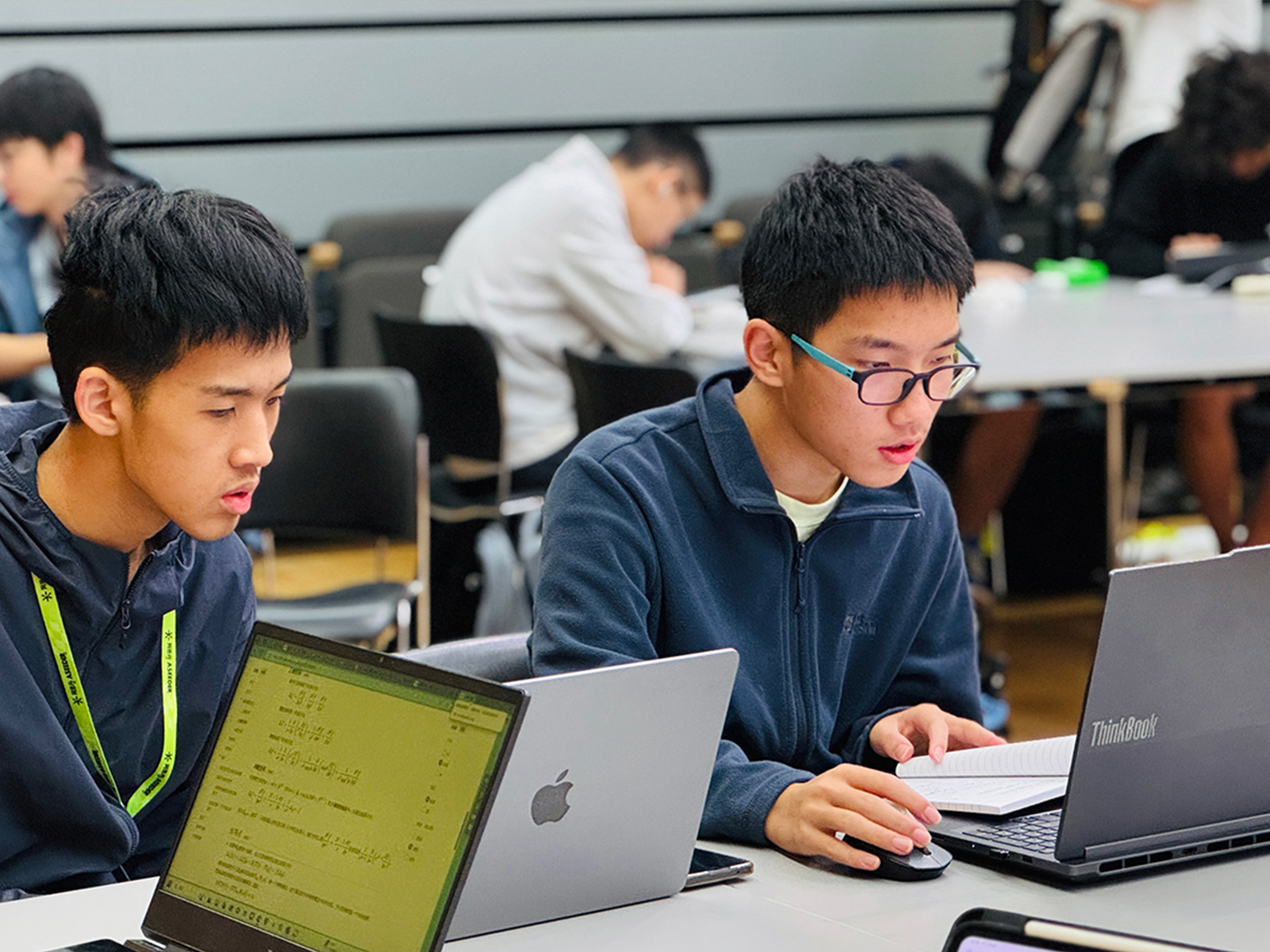
Experiment is a necessary path for exploring physics. Students will have the opportunity to conduct an experiment in Cambridge physics laboratories under the guidance of tutors, helping mastering knowledge and stimulating their desire to delve into more challenging physics concepts.
  • Hydrogen Spectrum and Energy Quantization Verification: Using a professional spectrometer, students will observe the Balmer series of hydrogen, calculate the Rydberg constant and ionization energy, and experimentally validate the core concepts of the Bohr model and energy quantization.
  • Crystal Structure and Bragg’s Law Experiment: By operating an X ray diffractometer, participants measure diffraction angles of various crystals and apply Bragg’s law to determine interatomic spacing, gaining a practical understanding of wave particle duality in materials science.
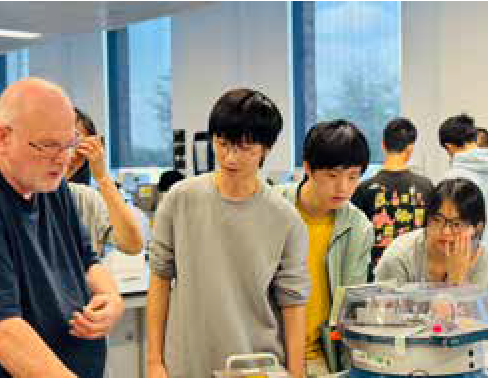
These experiments are designed as complete scientific inquiries, guiding students through equipment calibration, data acquisition, error analysis, and theoretical comparison. Under faculty supervision, they will learn to document observations and conclusions, developing rigorous research practices. * Experiments are drawn from past camps. Subject to instructor adjustments. Final schedule applies.
Module 3: Guest lectures by leading physicists
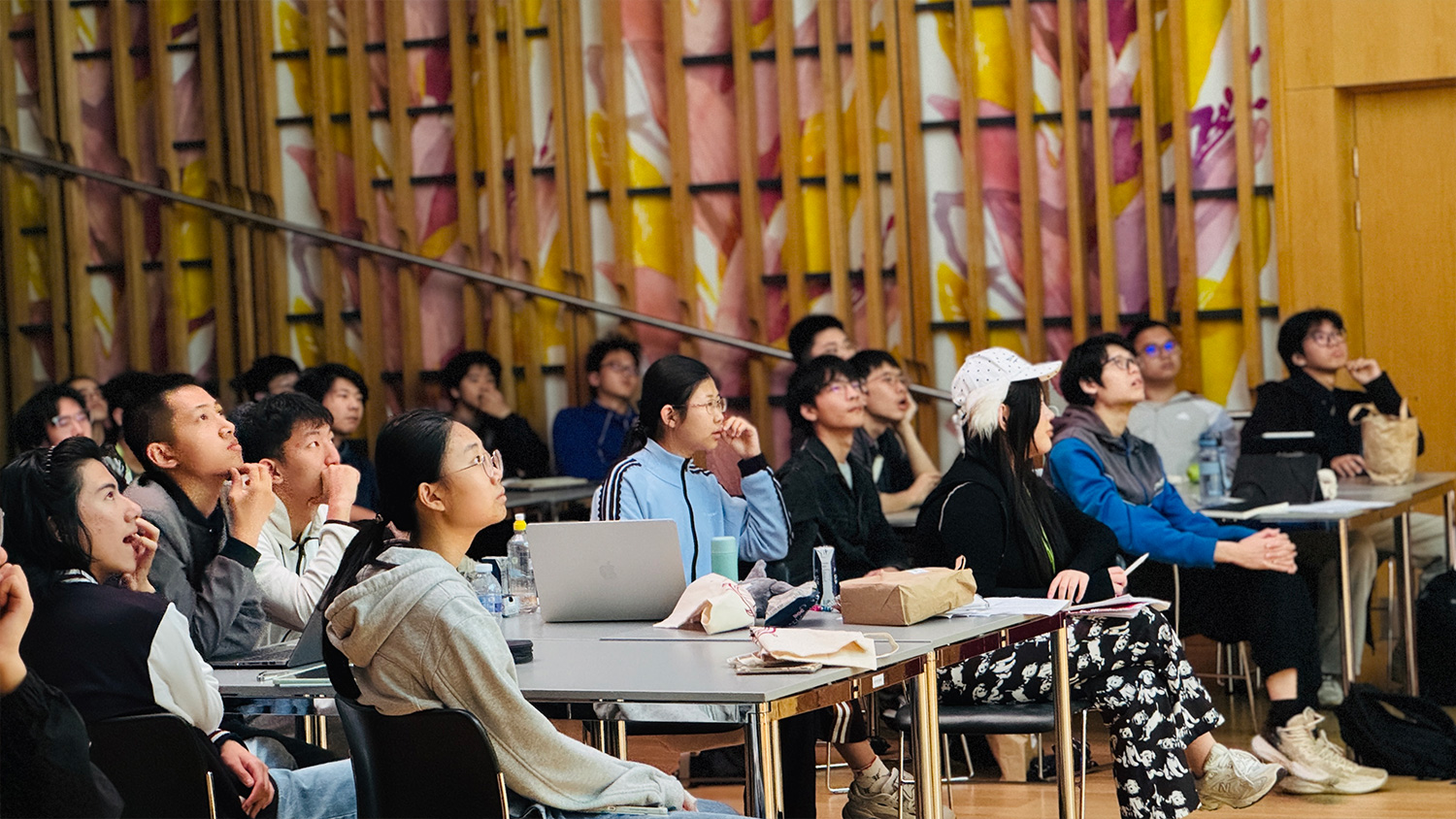
The Cambridge Physics Camp will invite professors and lecturers at the University of Cambridge to deliver special lectures on cutting-edge physics topics, using vivid examples and the latest research findings. Lecture Topics from Previous Camps:
● Inside the Proton: Quantum Chromodynamics: Explore how QCD describes proton/neutron structure and how lattice QCD calculations reveal quark behavior.
● The Higgs Boson & the Standard Model: Follow LHC research to understand how the Higgs discovery completes the particle physics model and explains mass origin.
● Search for Exoplanets & Life: Learn detection methods like transit and radial velocity, and evaluate scientific evidence for extraterrestrial life.
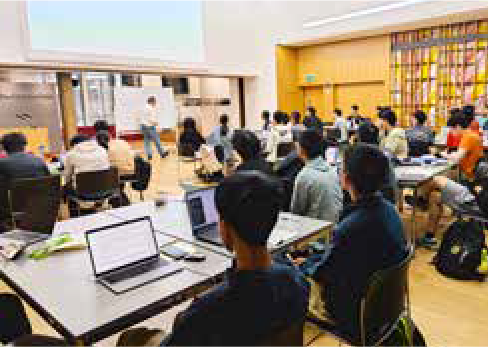
Module 4: Face-to-Face with Cambridge mentors
Daily Q&A sessions follow lectures and experiments, allowing students to discuss experimental observations and theoretical details with professors. Students become active thinkers and challengers, moving beyond passive learning to develop critical thinking. This shift transforms complex physics concepts into intuitive academic understanding.

Past Lectures & Lab Projects Introduction

* Below are past lecture and lab project details. Course contents are subject to change according to practical circumstances.

Quantum Physics Lectures

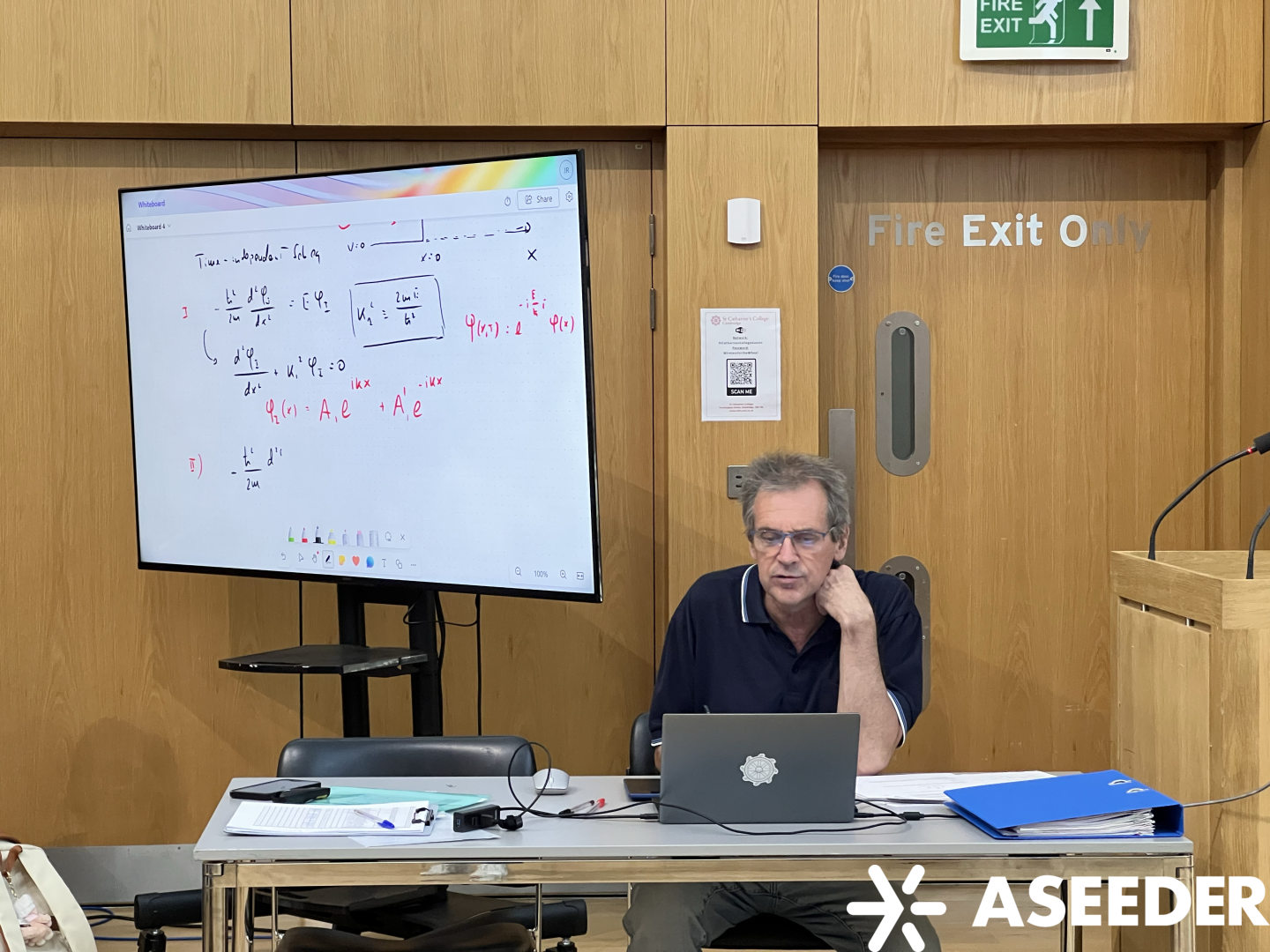
Delivered by Professor João Rodrigues from St Catharine’s College, Cambridge, this lecture systematically covers the core theoretical framework of quantum mechanics. Starting from three key anomalies in classical physics at the end of the 19th century, it walks through wave‑particle duality, the Schrödinger equation, operators and eigenvalues, quantum tunnelling, angular‑momentum theory and electron spin. It traces the full theoretical evolution from old quantum theory to modern quantum mechanics, guiding students to build physical intuition for the microscopic world through rigorous derivation.

Structure and Diffraction Practical

Featuring optical diffraction and X‑ray diffraction modules, this is a classic practical taken by undergraduate physics and materials‑science students at UK universities. By analysing diffraction patterns, students work backwards to calculate the microscopic periodic structure of materials from diffraction angles. Hands‑on practice develops understanding of the intrinsic physical relationship between periodic structures and diffraction phenomena, bridging theoretical physics and materials science.

Contemporary Physics Hot Topics

It covers research fields including cosmology, gravitational‑wave detection, topological materials, high‑temperature superconductivity and macroscopic quantum entanglement. It also discusses state‑of‑the‑art applications of artificial intelligence across physics and interdisciplinary subjects, reviewing major annual breakthroughs in physics to broaden students’ academic horizons and research perspectives.

Cambridge Application Guide

This session gives a detailed breakdown of Cambridge’s collegiate education system, the curriculum structure for mathematics and natural‑science degrees, undergraduate application procedures, plus core interview logic and practical strategies. It offers holistic guidance for students ranging from academic preparation to university‑admission planning.

Hydrogen Emission Spectroscopy

Students operate spectrometers independently to measure visible spectral lines of ionised hydrogen. Experimental data are fitted against the Bohr‑Rydberg model to determine the Rydberg constant and the ionisation energy of hydrogen atoms. This experiment connects abstract concepts such as quantum energy levels and wave‑function collapse directly with measured spectra, forming a complete closed loop from theoretical understanding to experimental verification.

Particle Physics at CERN CERN

Invited guest speakers share first‑hand research updates from the Large Hadron Collider (LHC) at CERN. The session interprets the Standard Model of particle physics, the Higgs mechanism and latest advances in high‑energy collision experiments, bringing students to the cutting‑edge frontier of modern‑physics research.

Astrophysics: Exoplanets and the Search for Life

It introduces mainstream exoplanet‑detection techniques, atmospheric analysis and habitability assessment, together with planetary formation and internal‑structure evolution. Extending from microscopic quantum theory to macroscopic astrophysics, it builds an interdisciplinary cognitive chain spanning elementary particles through to cosmic evolution.

Schedule

Date 9:00-12:30 13:30-17:30 19:00-20:00
Day 1 Arrive in London Check in the St Catharine's College
Day 2 Module 1
An in‑depth study of Cambridge
undergraduate‑level theoretical physics courses, covering six major topics including quantum mechanics, the Schrödinger equation, and the uncertainty principle.
Module 2
Enter Cambridge physics laboratories to conduct two advanced experiments under expert guidance—such as operating a spectrometer to verify hydrogen atomic spectra and energy‑level quantization, or performing X‑ray diffraction experiments to confirm Bragg’s law.

Module 3Attend frontier academic lectures delivered by senior Cambridge faculty, exploring applications of theoretical physics in contemporary cutting‑edge research and broadening academic perspectives
Module 4
Q&A: Face-to-Face with Cambridge Mentors

Preparing for presentation

Day 3
Day 4
Day 5
Day 6
Day 7 Individual final Presentation Punting Formal dinner
Day 8 Oxford Visiting
Day 9 London trip - British museum & Natural History museum
Day 10 London explore - renowned architectures
Day 11 Return

* The schedule is for reference only. The final itinerary will be announced prior to departure.

Unique Experience

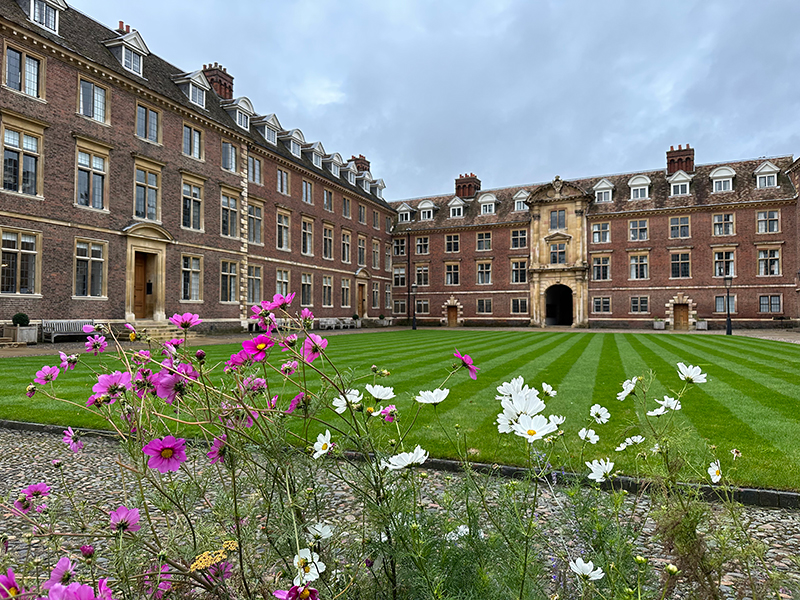
Live in St Catharine's College, Cambridge
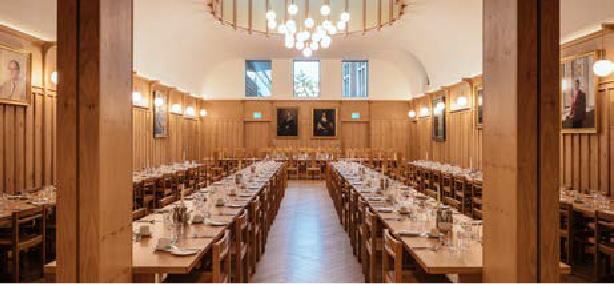
Live in St Catharine's College, Cambridge

St Catharine's College is a historic and academically rich college in the University of Cambridge, founded in 1473. The college has a strong academic background, particularly excelling in interdisciplinary research. It has at least 4 Nobel laureates and is committed to nurturing future technological leaders.
Cambridge Formal Dinner

Cambridge Formal Dinner

The annual traditional formal dinner at the University of Cambridge is an integral part of the students' academic life. Dressed in formal attire, students and professors gather together to enjoy fine dining, recite poetry, and exchange ideas.
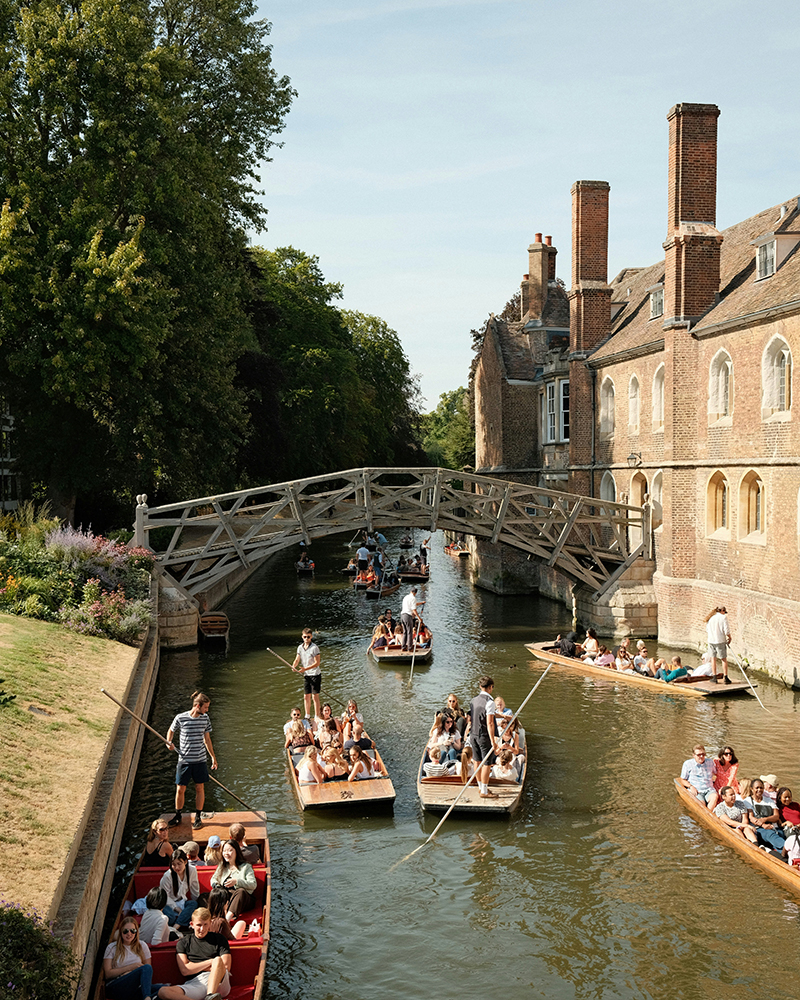
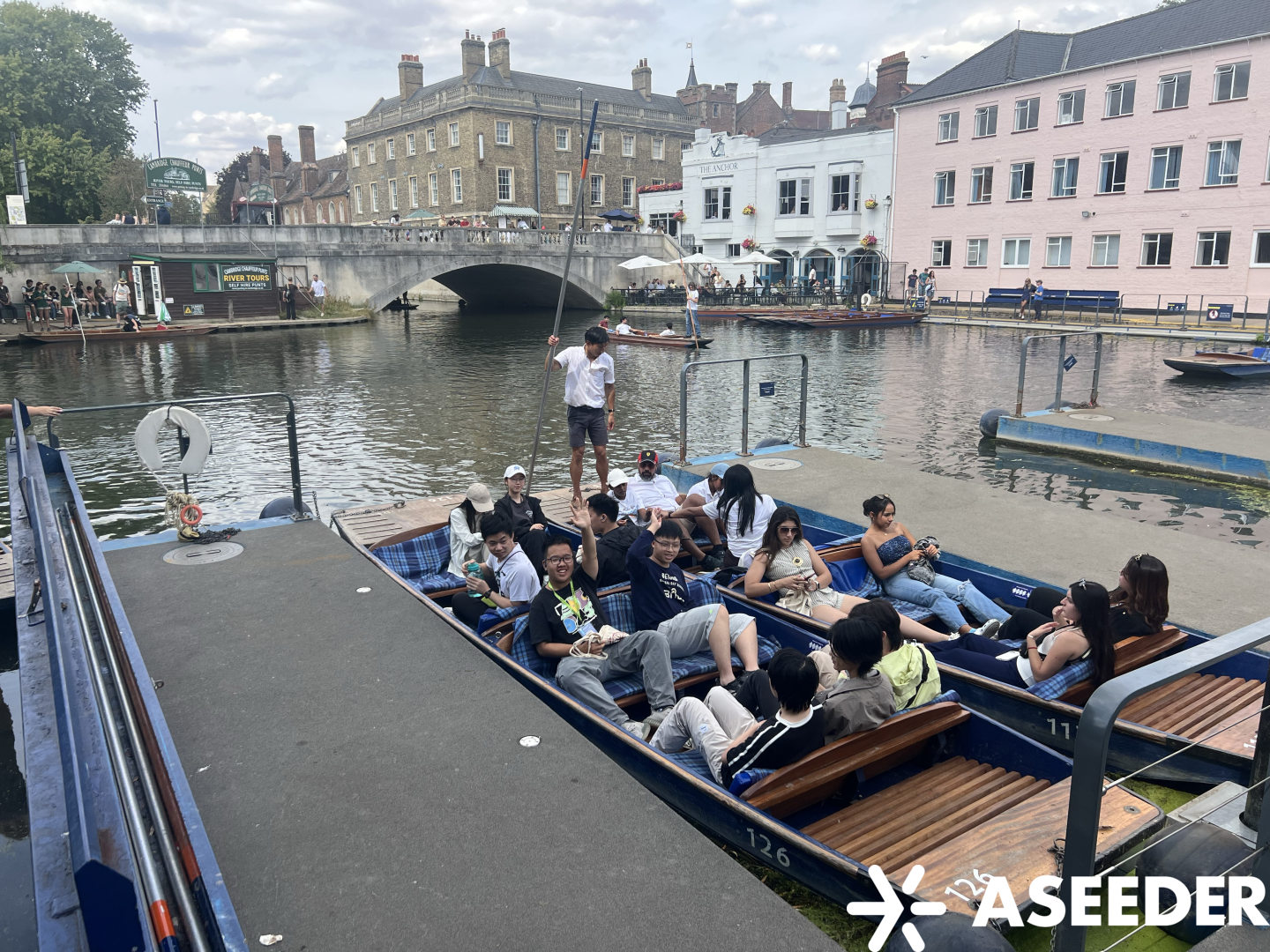
Punting in River Cam

Punting in River Cam

Punting is a unique activity in Cambridge. Gliding along in a small boat through ancient bridges and tree allows you to enjoy the tranquil waters and appreciate the classical architecture of Cambridge.
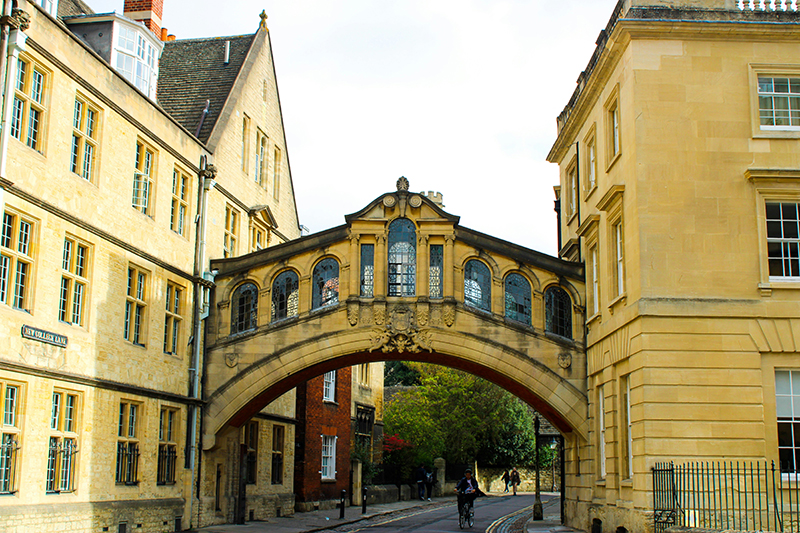
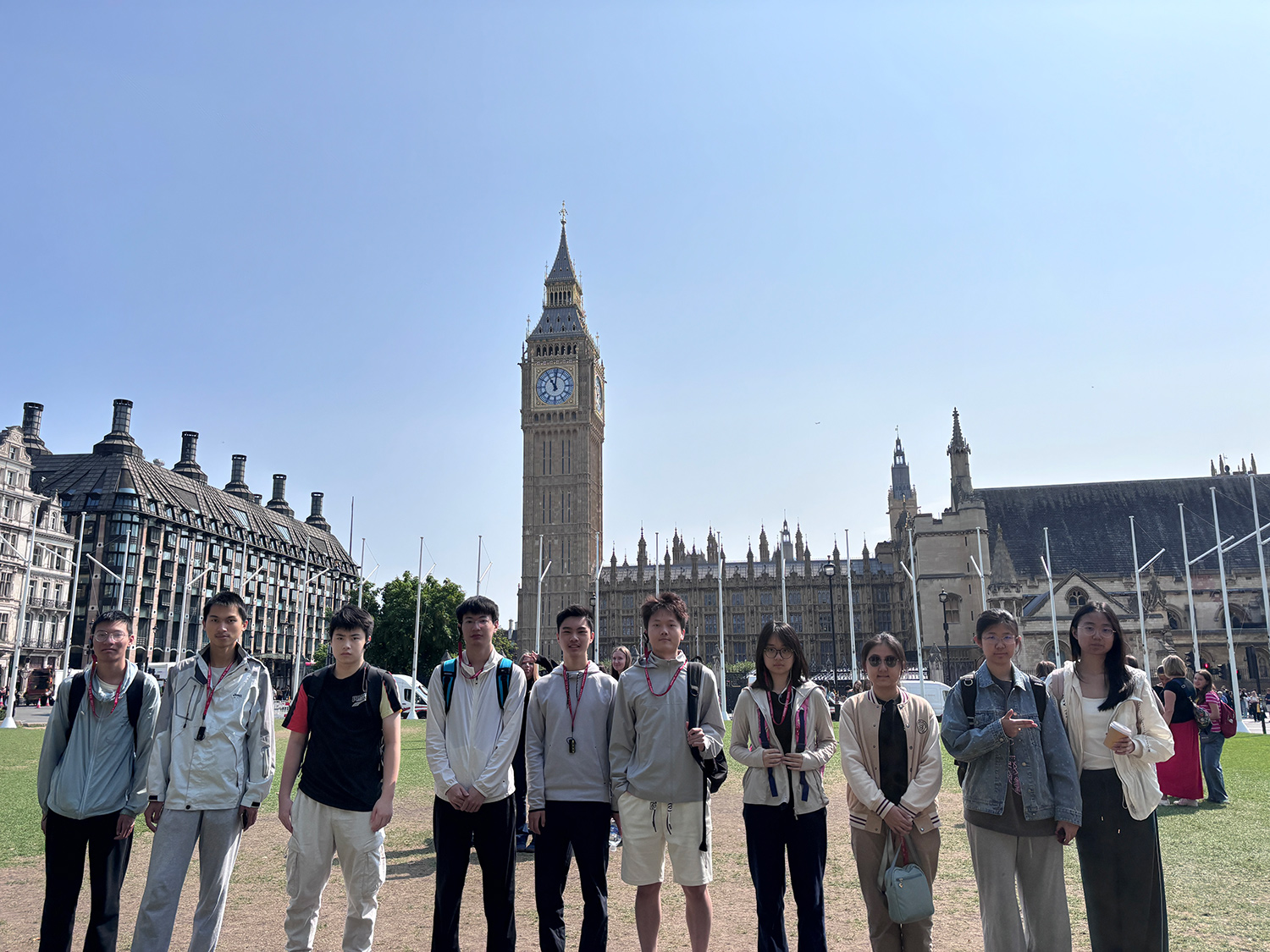
VI Oxford & London Journey

VI Oxford & London Journey

Highlights

The Cambridge Physics Camp took me from popular science books to real quantum mechanics. Guided by Cambridge professors, I personally verified the spectral theory of the Bohr model through experiments—when my calculated wavelengths matched the observed results, I felt the precision and beauty of physics. This experience not only strengthened my determination to study physics, but also connected me with like minded peers.

— He, Studentl, No.2 High School Of East China Normal University

The Cambridge Physics Camp showed me what true physics thinking is: starting from first principles and deriving conclusions step by step, not just accepting ready made formulas. The teaching was both engaging and profound. Although the quantum mechanics content was intensive—sometimes overwhelming—this kind of pure academic immersion was exactly what I had been looking for.

— Wang, Student, Beijing No.35 High School

At the Cambridge Physics Camp, I had the rare opportunity to operate an X ray diffraction experiment myself and verify Bragg’s law. The academic atmosphere here is open and free, and the rhythm of life is peaceful yet stimulating—a true integration of study and environment. I highly recommend the experience to future students.

— Wang, Student, CCNU Overseas Study Service Center

My first systematic exposure to quantum physics was at the Cambridge Physics Camp. Guided by professors, I adapted to new concepts and experienced a university-style learning environment. This atmosphere and interdisciplinary perspective were truly inspiring for my future in applied mathematics.

— Weng, Student, Tsinghua High School Daoxianghu School

Participant Information

Programme Fee

The programme fee includes all programme and academic costs, accommodation, and breakfast, lunch, and dinner during the camp, excluding meals during off-campus visits. The fee does not include visa service fees or round-trip airfare.
Optional Visa Service: ASEEDER’s visa service provides a visa approval guarantee. If a visa application is refused for reasons not attributable to the applicant, the visa service fee will be fully refunded, or the applicant may reapply for a visa without paying an additional visa service fee. The full programme fee will also be refunded, ensuring zero financial loss to the participant.
Registration Deadline: Three weeks before the programme begins.

FAQ

1. REFUND POLICY
After a student has registered and paid, they may apply to withdraw due to unforeseen circumstances. If the application is submitted before the registration deadline, 25% of the registration fee will be deducted as academic materials and service fees. If the application is submitted after the registration deadline, no refund will be given.
华北地区联系人
华北区:北京、天津、黑龙江、吉林、辽宁、 河北、内蒙古、山西、山东
华东地区联系人
华东区:上海、浙江、江苏
华中地区联系人
华中区:河南
华南地区联系人
华南区:广东、广西、福建、海南、香港、澳门、台湾
华西地区联系人
华西区:重庆、四川、云南、陕西、甘肃、青海、西藏、宁夏、新疆
华中地区联系人
华中区:湖南、湖北、安徽、江西 、贵州