Qualification

Award Winners in ACSL / CAT / Bebras by Invitation

Date

Jul. - Aug. 2027 (TBD)

Location

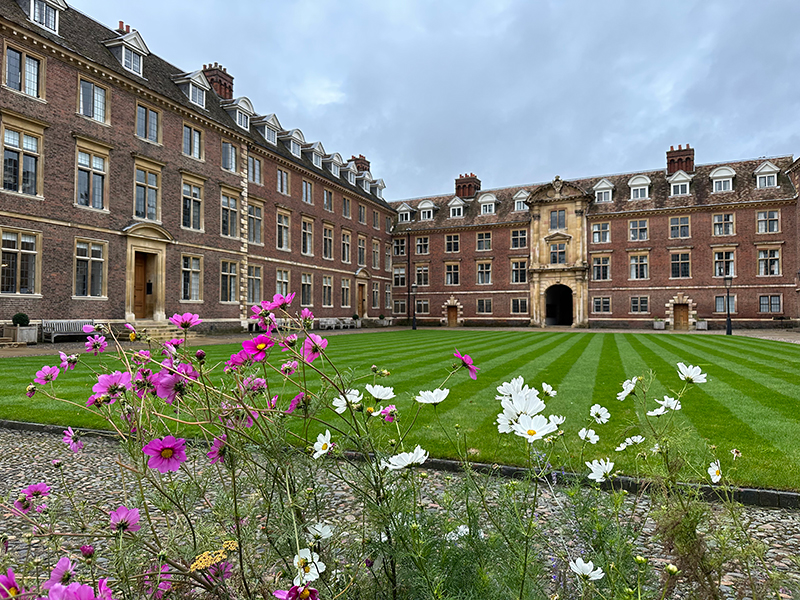
St Catharine's College, Cambridge, UK

Language

EN

Place

35

Program Introduction

St Catharine’s College, established in 1473, remains at the forefront of Cambridge’s academic discourse in Computer Science and Artificial Intelligence. Its researchers engage in cutting-edge work spanning machine learning safety, AI risk governance, biomedical AI, and computer security, while also addressing the profound societal, legal, and public discourse implications of AI.

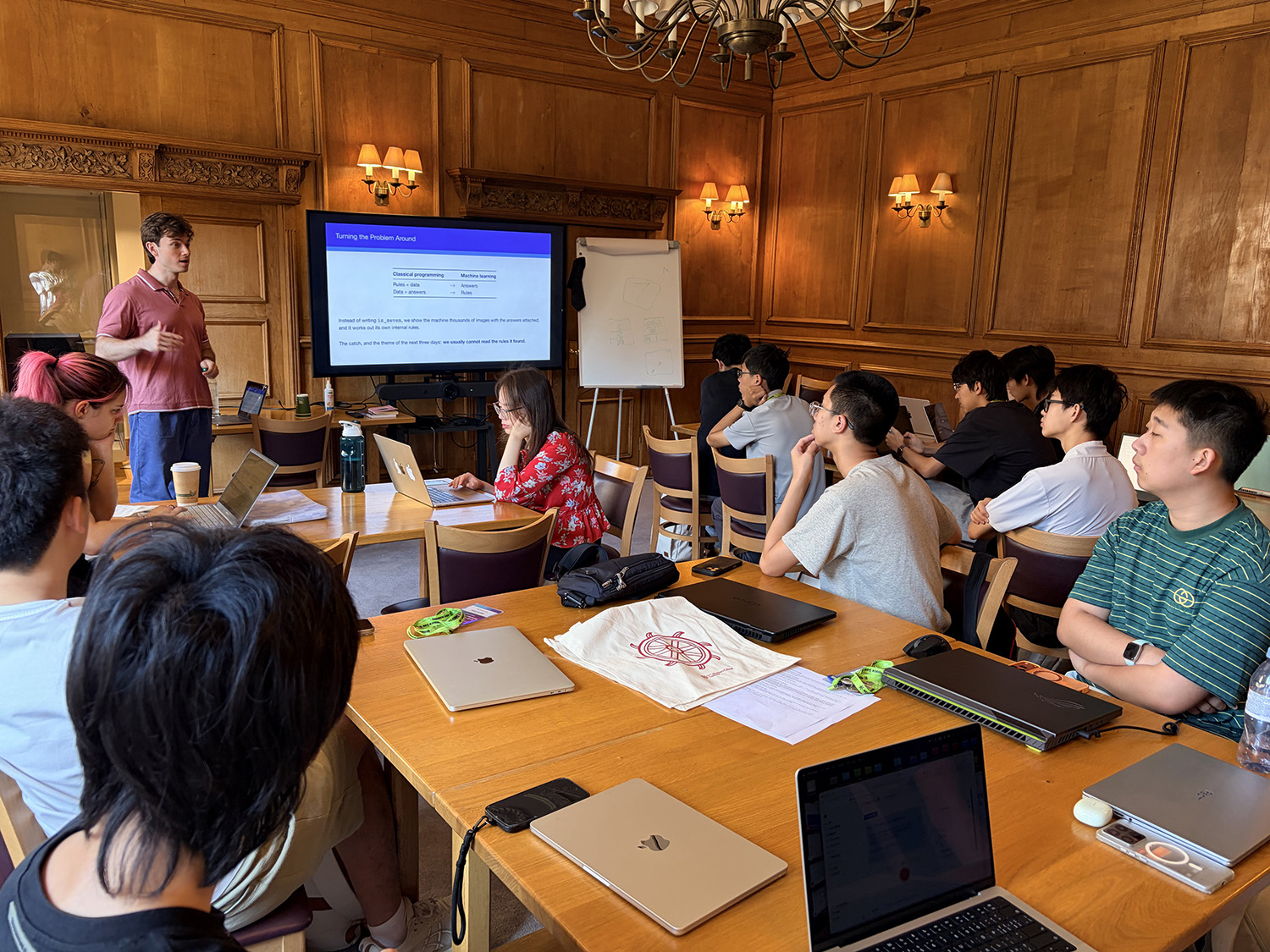
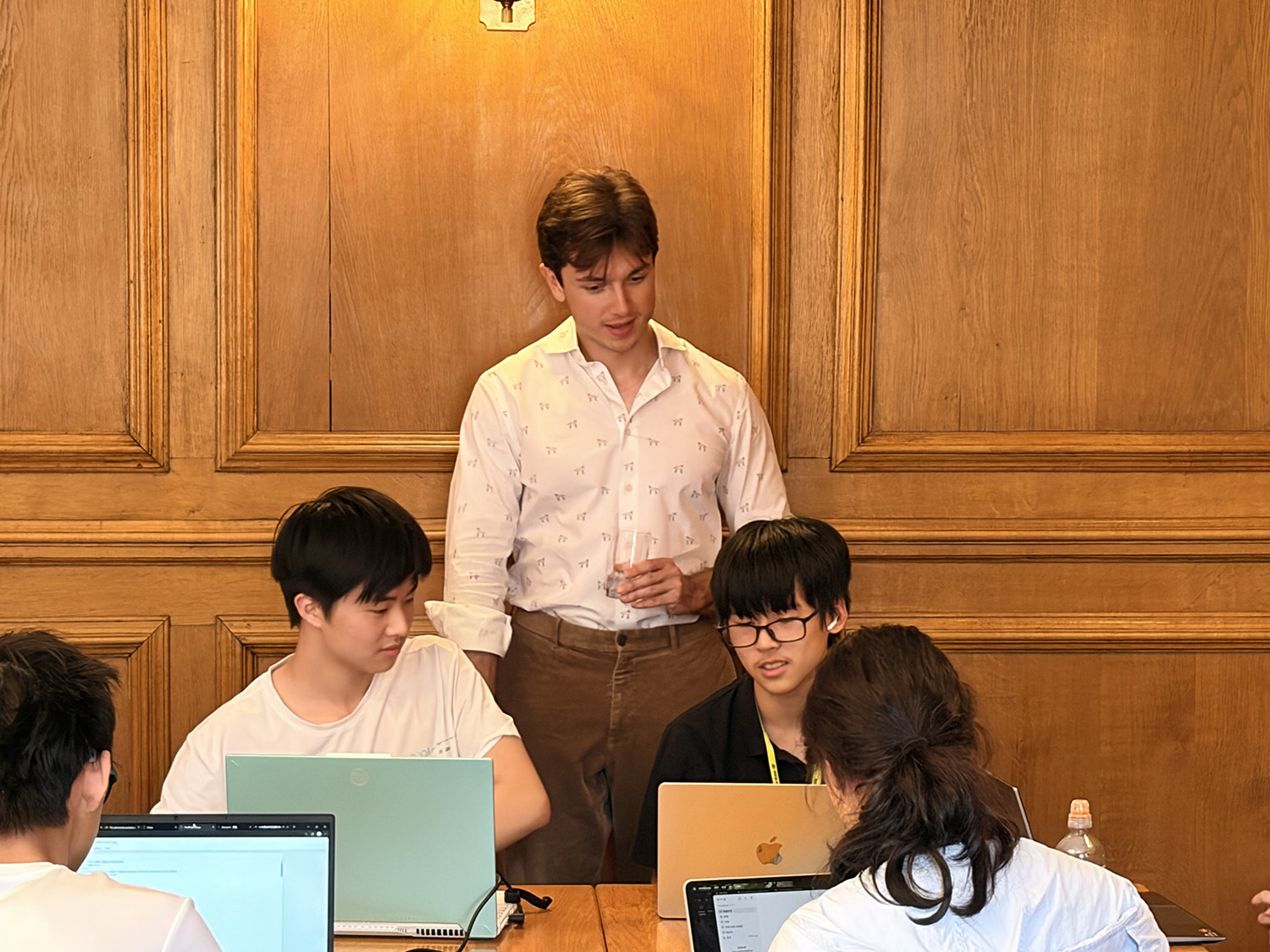
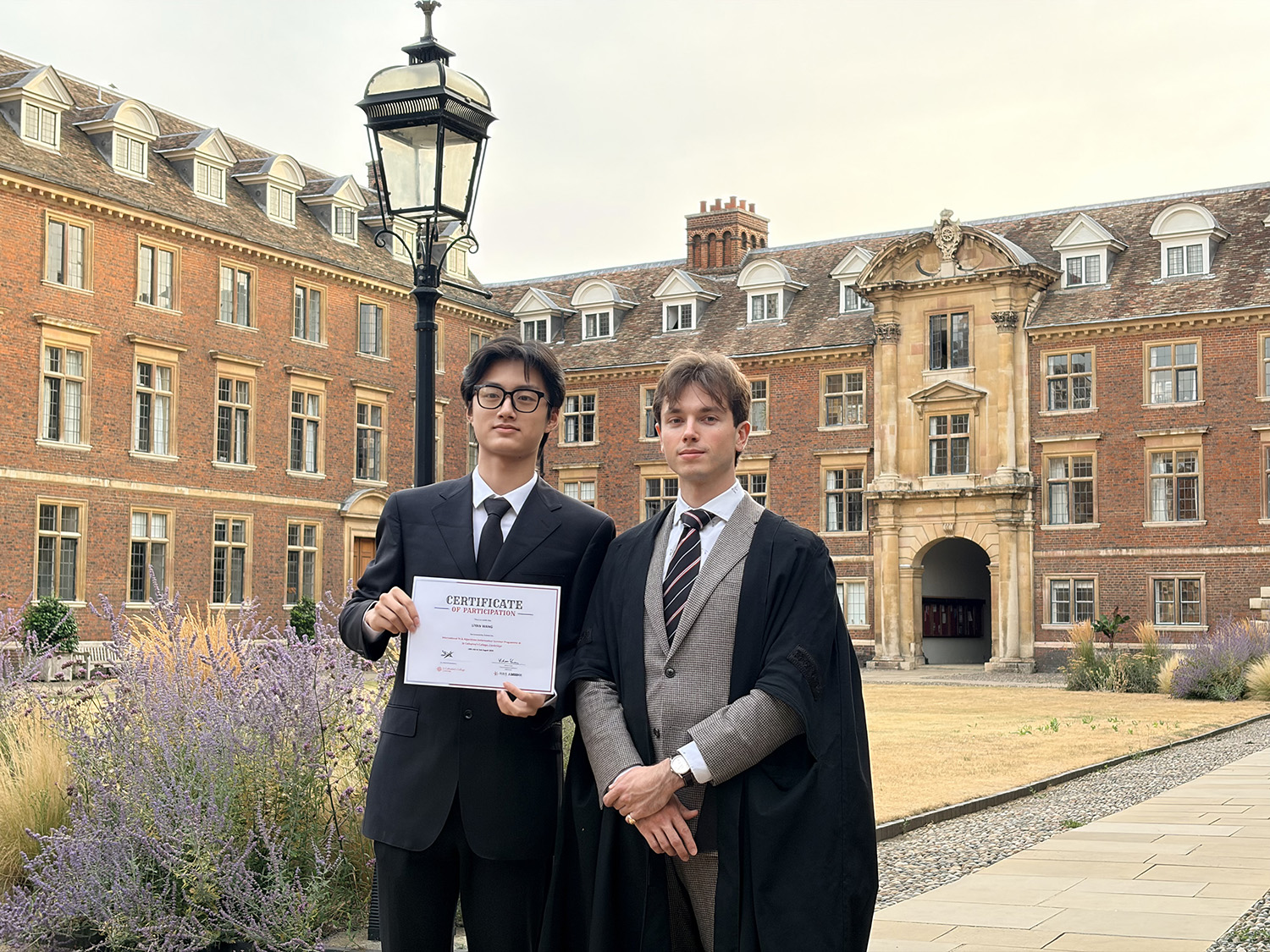
The camp will be delivered by Dr. David Khachaturov, a distinguished AI researcher at St Catharine’s College, Cambridge. He also serves as a Bye-Fellow in Computer Science at the University of Cambridge, with a longstanding commitment to teaching and supervising research in the field. Based on the undergraduate curriculum of the University of Cambridge, the lead instructor will guide students through a systematic exploration of core topics in AI and algorithm research, delivering a learning experience defined by Cambridge’s academic depth. Over program, students will engage with core modules from the Cambridge undergraduate level, including algorithm fundamentals, complexity theory, machine learning, neural networks, AI safety, and legal issues, thereby constructing a comprehensive understanding of the AI discipline. Students will reside at St Catharine’s College and participate in the traditional Formal Hall, immersing themselves in the academic and cultural life of Cambridge’s collegiate system. Upon completion of the camp, students will receive an official certificate issued by St Catharine’s College, University of Cambridge.

Pre-Assessment

ACSL (Qualifier Round): Dec. 13, 2026 (Sun.) , Grade 3-6

Pre-Assessment

CAT: May 23, 2027 (Sun.) 10:00-11:00, Grades 1-12

Pre-Assessment

Bebras: Dec. 19, 2026 (Sat.), Grades 1-12

Academic Highlights

Distinguished Faculty & Research Excellence

The course is mainly delivered by Dr. David Khachaturov from the University of Cambridge. The instructor possesses a top-tier academic background currently responsible for teaching approximately one-third of the department’s undergraduates, with extensive and highly recognized teaching experience.

Early Exposure to Part of Cambridge’s Undergraduate Modules

Participants will be introduced to the foundational pillars of Cambridge’s Computer Science programme. From the mathematical elegance of Algorithm Fundamentals and Complexity Theory to the critical modern domains of Deep Learning and AI Ethics, students will experience the same high-calibre discourse as Cambridge undergraduates. This early exposure equips students with the advanced perspective necessary to navigate the complexities of global AI research.

Build It, Break It: A Unique Take on Adversarial AI

Students will transition from model builders to algorithmic challengers. By developing techniques to fool sophisticated vision models, they will uncover the hidden vulnerabilities of modern AI systems. This adversarial training—a cornerstone of AI safety research at Cambridge—offers a rare and sophisticated perspective on the future of machine learning.

High-Stakes Project Topics Simulating the Real World

Project cases address real-world challenges, with each simulating the full process of technical delivery and compliance assessment.
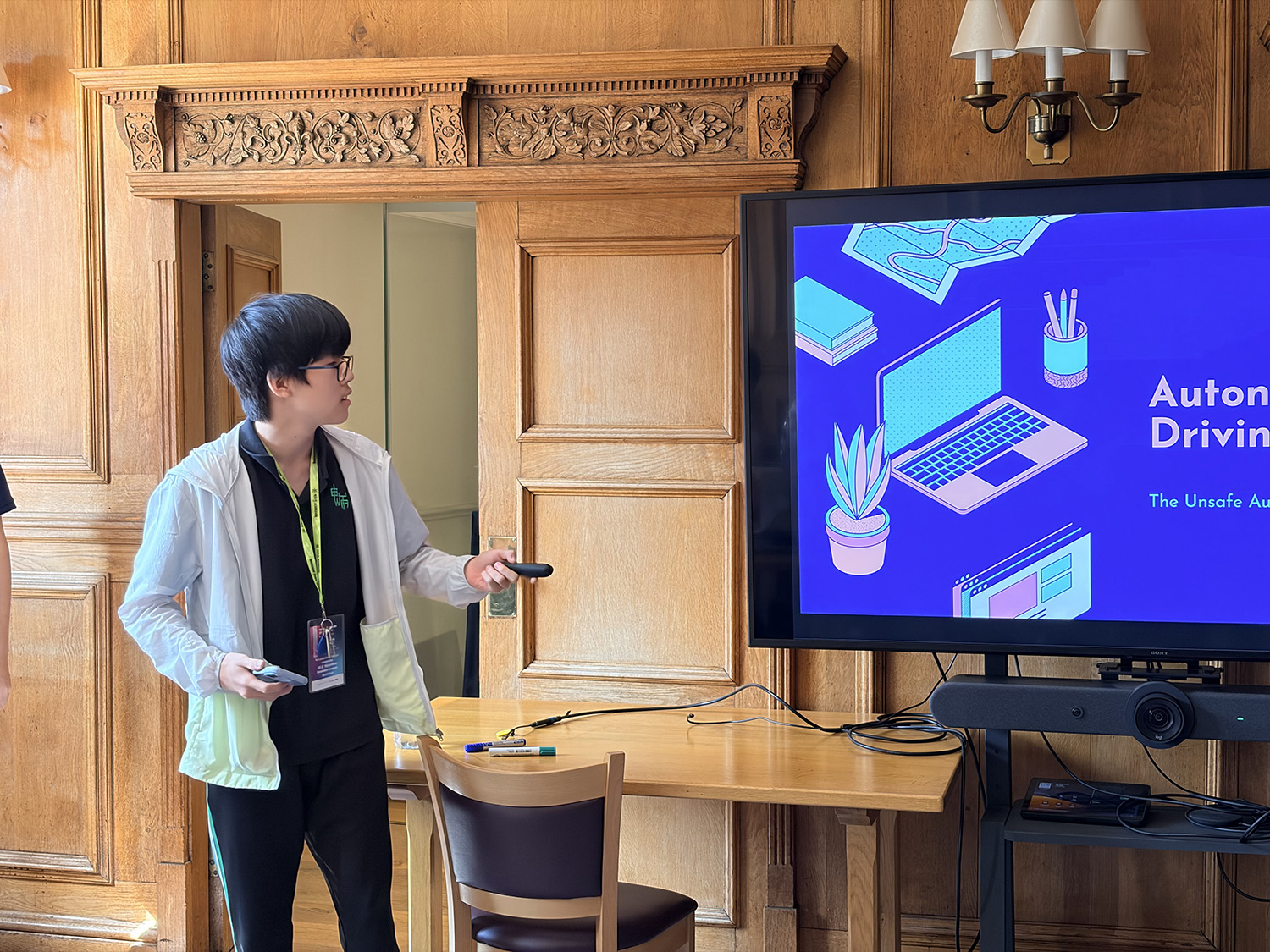
“The Unsafe Autopilot”: Train a vision model → Attack it → Write a legal defence brief
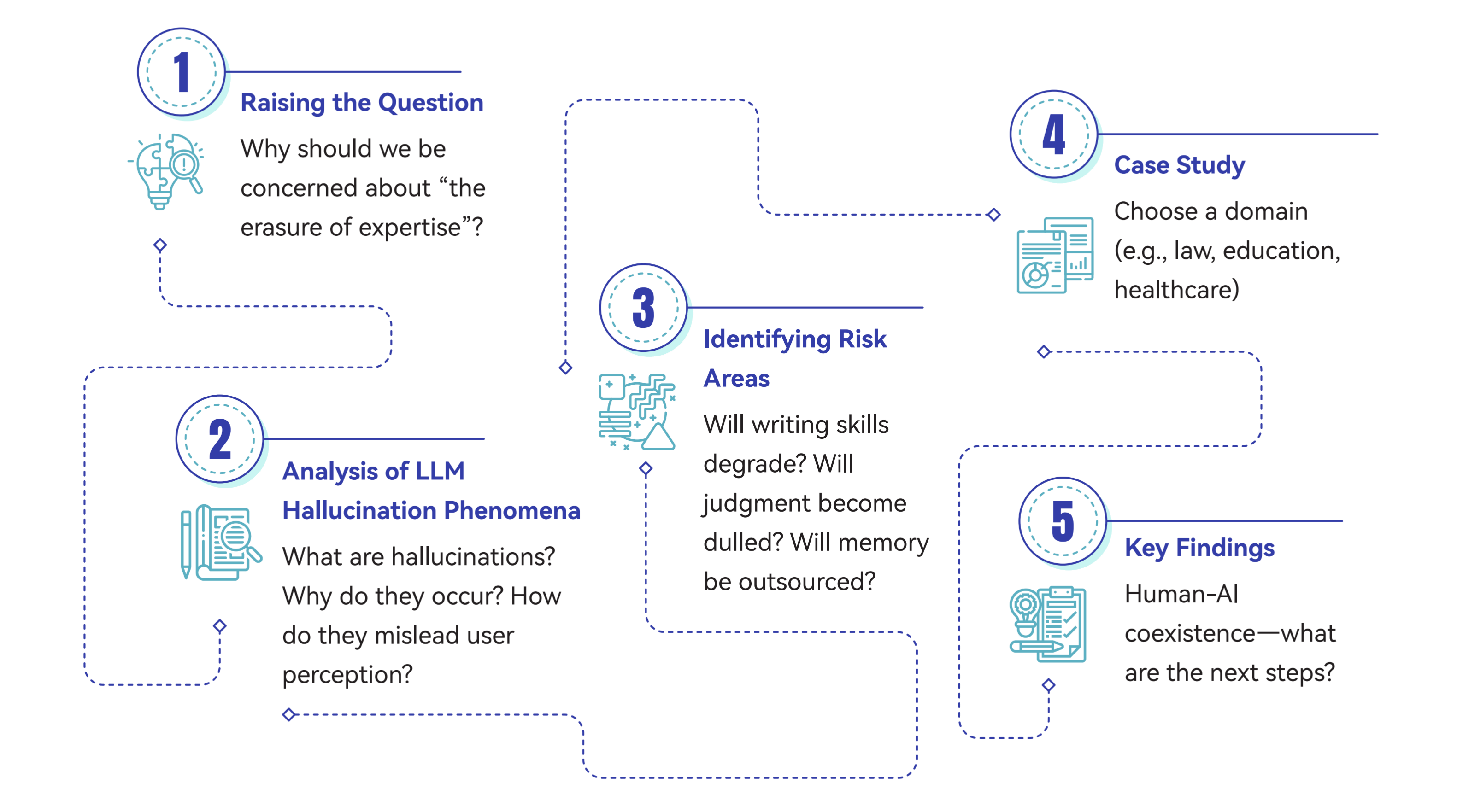
“The Erasure of Expertise”: Study LLM hallucinations → Analyse the risk of human skill degradation

Beyond the “Automation Trap”: Metacognitive Training in the AI Era

A unique highlight of this programme is our focus on AI-driven skill degradation. Students will critically analyze which professional competences are at risk when we over-rely on autonomous tools. By framing the AI-human relationship through a metacognitive lens, the course equips students with the philosophical rigour to navigate a world where human expertise is being fundamentally reshaped.

Interdisciplinary Integration of Technology, Law, and Ethics

The course is built around the core theme “From Logic to Accountability,” with each project mandating a risk analysis component. Students are prompted to consider: when a self-driving car causes an accident, who bears legal responsibility? This intersection of technology and law cultivates the interdisciplinary talent urgently needed in the future AI landscape.

Group-Based Projects: Deep Collaborative Learning

Students work in small groups who complete a comprehensive project encompassing technical implementation and legal analysis, culminating in an oral defense conducted entirely in English. This process is designed to enhance their technical communication and critical thinking abilities.

Project Outcomes: Technical Report + Legal Analysis + Project Presentation

Each group will produce a functional code implementation, a technical explanation, a legal and risk analysis report, and an English project presentation. These deliverables can serve as strong evidence of academic engagement for future applications to top universities worldwide.

Immersive Cambridge Experience & Traditional Formal Hall

Participating students will stay at St Catharine’s College, experience Cambridge study and life. Students will also have the opportunity to participate in Cambridge’s traditional formal dinner, dressing up to enjoy dinner at long tables and engage in social activities.

Official Certificate issued by St Catharine’s College, Cambridge

Students who complete the group research presentation will earn an official certificate from St Catharine’s College, Cambridge, recognising their outstanding academic engagement.

Introduction to Excellent Program Supervisor

Dr. David Khachaturov

  • Supervisor and Lecturer at the Department of Computer Science
  • St Catharine’s College, Cambridge
MORE >
Dr. David Khachaturov 介绍

Dr. David Khachaturov

  • Supervisor and Lecturer at the Department of Computer Science
  • St Catharine’s College, Cambridge

Dr. David Khachaturov is a researcher in the Department of Computer Science and Technology at the University of Cambridge and a by-fellow and supervisor at St Catharine’s College, Cambridge. His research primarily focuses on Machine Learning Security, Adversarial Machine Learning, AI Safety, as well as the application and governance of AI technologies within policy and legal frameworks. He has supervised over 300 students, covering approximately one-third of the undergraduate computer science cohort at Cambridge.

Academic Modules

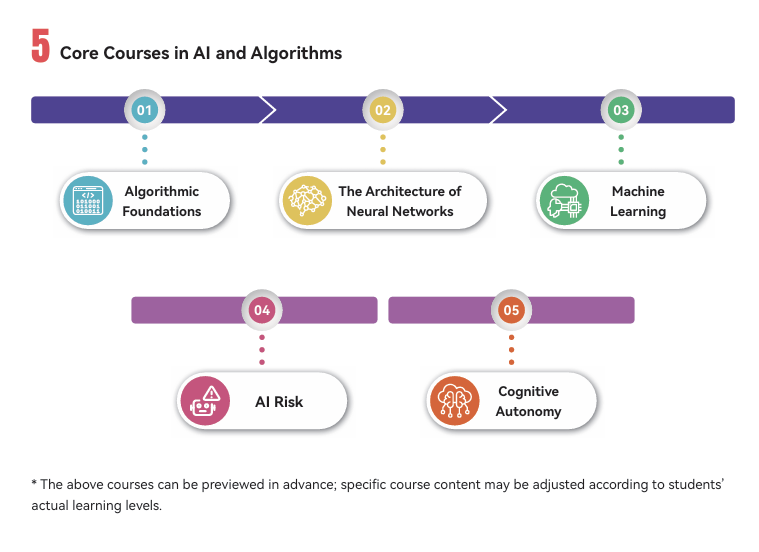
5 Core Courses in AI and Algorithms

01. Introduction to Algorithmic Thinking and Computational Complexity

This module builds students’ core algorithmic foundations in artificial intelligence, focusing on fundamental algorithms—including sorting (Merge Sort, Quick Sort), searching (Binary Search), and graph traversal (BFS/DFS)—alongside computational complexity analysis (Big-O notation). Students develop rigorous algorithmic thinking and the ability to evaluate efficiency and feasibility in intelligent systems, providing a theoretical foundation for later study in machine learning and system security.
02. Principles of the Architecture of Neural Network

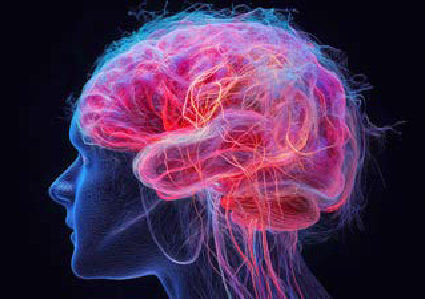
This module introduces the core principles and architecture of neural networks, covering key concepts such as neurons, multilayer perceptrons, activation functions, backpropagation, and gradient descent. Students will develop a foundational understanding of how neural networks learn from data and how model performance is optimized.
From a cybersecurity perspective, the module also explores neural network vulnerabilities, including adversarial attacks and data poisoning, reflecting the theme of AI Construction and Breaching. Students will further examine the “black box” nature of deep learning and the associated challenges of transparency and accountability

03. Adversarial Machine Learning and System Vulnerability Research

This module examines the security boundaries of artificial intelligence, addressing a key question: why powerful AI models can also be fragile. Students will explore fundamental software security concepts and failure modes, followed by the principles of adversarial attacks—how small, imperceptible perturbations can cause significant model errors, revealing the mathematical vulnerabilities of deep learning.
The module also introduces basic adversarial defense strategies, helping students understand how to build more robust systems and develop a security mindset shaped by the ongoing interplay between attack and defense.

04. Algorithmic Transparency and Accountability - AI Risk and Legal Frontiers

This module examines a central question of the AI era: when intelligent systems make unexplainable decisions, who is accountable? Students will explore the black-box problem, algorithmic traceability, and liability challenges in high-risk applications such as autonomous driving.
The module also introduces the fundamentals of Explainable AI (XAI) and key global regulatory developments, including the EU AI Act risk classification framework and the GDPR’s right to explanation. Through this, students will develop a governance-aware perspective, learning to evaluate AI innovation alongside legal and ethical responsibilities.

05. The Era of Human-Machine Symbiosis - Critical Thinking and Cognitive Autonomy

This module explores how AI is reshaping human cognition as intelligent tools increasingly influence decision-making. Students will examine the risks of over-reliance on AI, including the outsourcing of critical thinking, skill degradation, and the impact of algorithmic bias on human judgment.
Through the research project The Erasure of Expertise, participants will analyze how AI affects learning, decision-making, and creativity, and reflect on how to balance efficiency with human autonomy in human-AI collaboration.

2 Practical Projects

■ Topic 1: “The Unsafe Autopilot” - Technical Direction

This is a comprehensive project intersecting technology and law, highly challenging and practically significant. Students must fully experience the entire process of “Build → Break → Defend.” Below is the project breakdown:

Core Tasks of the Three Project Phases

STAGE 01

Build

Task: Train a vision model.
Technical / Legal Focus: Use a CNN to train a model to recognise traffic signs (e.g., distinguishing a stop sign from a speed limit sign).
STAGE 02

Break

Task: Generate “noise” to attack the model.
Technical / Legal Focus: Create adversarial samples using technical methods to trick the model into misidentifying a stop sign as a speed limit sign.
STAGE 03

Defend

Task: Write a legal defence brief.
Technical / Legal Focus: Simulate a legal defence following an autonomous driving accident—who should be held responsible? The manufacturer? The developer? The car owner?

■ Topic 2: “The Erasure of Expertise” - Discussion Direction

When large language models can instantly generate articles, code, and answers, will humans’ own writing ability, judgment, and creativity gradually deteriorate? This is an in-depth research project on the fate of human cognition in the AI era.

Sample Research Report Structure
Schedule

* Detailed course content will be announced after confirmation

Time 9:00-12:15 13:30-17:30 19:00-20:00
Day 1 Depart for the UK Check in at St Catharine’s College, University of Cambridge
Day 2 Theory Modules 1-3
Build a complete AI technology cognitive path: starting from the foundations of classical algorithms and computational complexity, delving into the mechanisms of neural networklearning, and then advancing to adversarial attacks and system security boundaries. The three modules progress step by step, enabling students to understand “From Logic to Liability: building and breaking intelligent systems”.
Theory Module 4 & Practical Module 1
Focus on the forefront of AI governance and law, exploring issues of responsibility attribution and the explainability dilemma in black-box systems. Putting theory into action, students experience the complete cycle of "model building—implementing attacks—legal defense," deepening their understanding of legal concepts such as product liability and negligence determination through technical implementation, achieving a two-way integration of technology and governance, and experiencing the combination of the course with real-world scenarios.

Theory Module 5 & Practical Module 2
Theoretically interrogate the evolution of human cognition in the AI era, analyzing the risks of outsourcing critical thinking; the practical project “The Erasure of Expertise” allows students to transform theoretical reflection into empirical insight by researching LLM hallucinations and analyzing skill degradation cases. The two complement each other, equipping students with the core competitiveness required in the AI era.

Write Group Project Report

(Use the online editing application www.overleaf.com/learn to write project notes in English)

Day 3
Day 4
Day 5
Day 6
Day 7 4 Learning Outcomes Presentations + 2 Group Assessments Cambridge Punting and Campus Tour University of Cambridge Traditional Formal Dinner
Day 8 Stroll through Oxford: Visit the University of Oxford campus and experience its distinct academic atmosphere
Day 9 London Science and Culture Experience Tour - Museum Visits
Day 10 London City Exploration Tour - Visit London Landmark Buildings
Day 11 Departure for home
* Detailed course content will be announced after confirmation

Unique Experience

Live in St Catharine's College, Cambridge

Live in St Catharine's College, Cambridge

St Catharine's College is a historic and academically rich college in the University of Cambridge, founded in 1473. The college has a strong academic background, particularly excelling in interdisciplinary research. It has at least 4 Nobel laureates and is committed to nurturing future technological leaders.
Cambridge Formal Dinner

Cambridge Formal Dinner

The annual traditional formal dinner at the University of Cambridge is an integral part of the students' academic life. Dressed in formal attire, students and professors gather together to enjoy fine dining, recite poetry, and exchange ideas.
Punting in River Cam

Punting in River Cam

Punting is a unique activity in Cambridge. Gliding along in a small boat through ancient bridges and tree allows you to enjoy the tranquil waters and appreciate the classical architecture of Cambridge.
VI Oxford &LondonJourney

VI Oxford &LondonJourney

Highlights

Participant Information

Programme Fee

The programme fee includes all programme and academic costs, accommodation, and breakfast, lunch, and dinner during the camp, excluding meals during off-campus visits. The fee does not include visa service fees or round-trip airfare.
Optional Visa Service: ASEEDER’s visa service provides a visa approval guarantee. If a visa application is refused for reasons not attributable to the applicant, the visa service fee will be fully refunded, or the applicant may reapply for a visa without paying an additional visa service fee. The full programme fee will also be refunded, ensuring zero financial loss to the participant.

Registration Deadline

Three weeks before the programme begins.
* Places on the camp are limited and registration will close once all places have been filled. Applications submitted after the deadline will be considered a voluntary withdrawal from participation.

FAQ

1. REFUND POLICY
After a student has registered and paid, they may apply to withdraw due to unforeseen circumstances. If the application is submitted before the registration deadline, 25% of the registration fee will be deducted as academic materials and service fees. If the application is submitted after the registration deadline, no refund will be given.
华北地区联系人
华北区:北京、天津、黑龙江、吉林、辽宁、 河北、内蒙古、山西、山东
华东地区联系人
华东区:上海、浙江、江苏
华中地区联系人
华中区:河南
华南地区联系人
华南区:广东、广西、福建、海南、香港、澳门、台湾
华西地区联系人
华西区:重庆、四川、云南、陕西、甘肃、青海、西藏、宁夏、新疆
华中地区联系人
华中区:湖南、湖北、安徽、江西 、贵州